
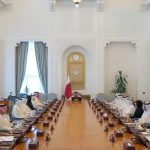


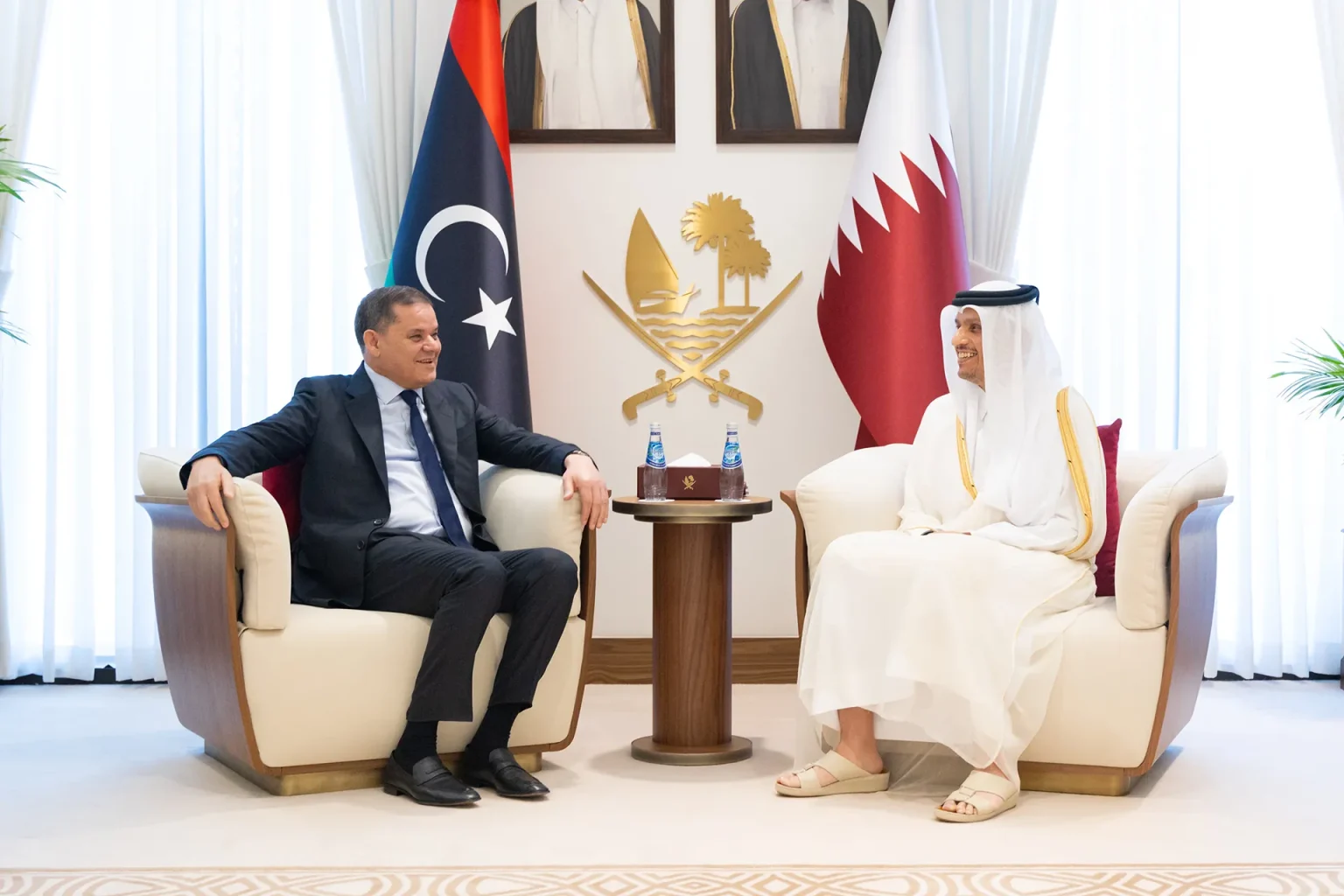

Qatar hosted a high-level visit from Libya’s prime minister on April 7, 2026, underscoring ongoing efforts to strengthen Qatar-Libya relations. The meeting in Doha brought together Qatar’s prime minister and foreign minister, Sheikh Mohammed bin Abdulrahman Al Thani, and Libya’s Prime Minister of the Government of National Unity, Abdul Hamid Dbeibah, to review bilateral cooperation and Libya’s political transition.
The leaders discussed economic ties, diplomatic support for Libya’s unity, and regional developments, according to official statements. Doha reiterated its backing for a political solution that preserves Libya’s sovereignty, while both sides explored avenues for deeper coordination on reconstruction, humanitarian assistance, and investment.
Qatar-Libya relations: Doha hosts Libyan prime minister
The April meeting was framed as part of a continuing diplomatic engagement between Doha and Tripoli. Officials said the discussion included assessments of bilateral projects and ways to expand collaboration in trade and infrastructure. Furthermore, the Qatari prime minister reaffirmed Qatar’s longstanding position in support of Libyan unity and stability.
Qatar’s outreach comes amid international efforts to consolidate a UN-led political process in Libya. Doha’s support for decisions adopted by the United Nations Security Council and its emphasis on peaceful solutions were highlighted during the encounter, according to the Qatari cabinet office.
Details of the Doha meeting and areas of cooperation
Officials reported that the talks covered practical cooperation, including potential Qatari contributions to reconstruction and humanitarian programs in Libya. Additionally, both delegations reviewed existing economic links and discussed mechanisms to facilitate private-sector engagement. The meeting aimed to identify sectors where accelerated collaboration could assist Libya’s post-conflict recovery.
Energy and infrastructure were cited as priority areas by analysts, while Doha’s diplomatic support was described as complementary to international stabilization efforts. Meanwhile, Qatar reiterated its support for a Libyan-led political process and for solutions that maintain Libya’s territorial integrity and sovereignty.
Implications for Libyan unity and regional diplomacy
The visit signals Qatar’s intent to play a constructive diplomatic role as Libya seeks to consolidate governance and resume economic activity. Observers note that Qatar-Libya relations may help bolster the political standing of Libya’s interim authorities in multilateral forums. However, officials and analysts caution that progress depends on broader consensus among Libyan stakeholders and sustained international coordination.
Doha’s engagement could also influence practical outcomes if paired with targeted investment and reconstruction initiatives. Furthermore, diplomatic backing for the UN-sponsored process may encourage other regional actors to align behind peaceful, negotiated solutions. Nevertheless, any concrete impact will hinge on steps taken by Libyan parties on the ground and the UN mediation timeline.
Context: Qatar’s role in Libya and the wider region
Qatar has previously engaged in mediation, development assistance, and commercial links across North Africa and the eastern Mediterranean. Its involvement in Libya has frequently included diplomatic outreach and support for humanitarian relief, according to public records and prior government statements. In this context, Doha frames its approach as supportive of a sovereign, unified Libya able to pursue reconstruction and reform.
Related secondary keywords such as Libyan unity and Doha visit reflect the dual nature of current efforts: diplomatic reassurance paired with practical cooperation. Analysts emphasize that sustained engagement, rather than episodic visits, will be necessary to translate diplomatic support into durable progress on governance and reconstruction.
What to watch next: follow-up steps and timelines
Officials indicated that further technical meetings and follow-up consultations are likely, aimed at translating political commitments into specific programs. Stakeholders should watch for announcements about memoranda of understanding, economic missions, or joint committees that would operationalize the cooperation discussed in Doha.
International partners and the United Nations are expected to monitor whether Qatar-Libya relations contribute to momentum around the UN-led political track. In the near term, attention will focus on whether Libyan actors agree to timelines for elections, security arrangements, and mechanisms for equitable resource management.
Conclusion and outlook
The Doha meeting reaffirmed Qatar’s diplomatic support for Libya’s political trajectory and highlighted potential avenues for economic and humanitarian collaboration. While the visit underscores positive engagement, tangible progress will depend on subsequent technical cooperation and wider Libyan consensus. Therefore, observers should watch for concrete follow-up measures, UN mediation milestones, and any formal agreements emerging in the coming months.