






UN Police Chiefs Summit draws senior police leaders to New York
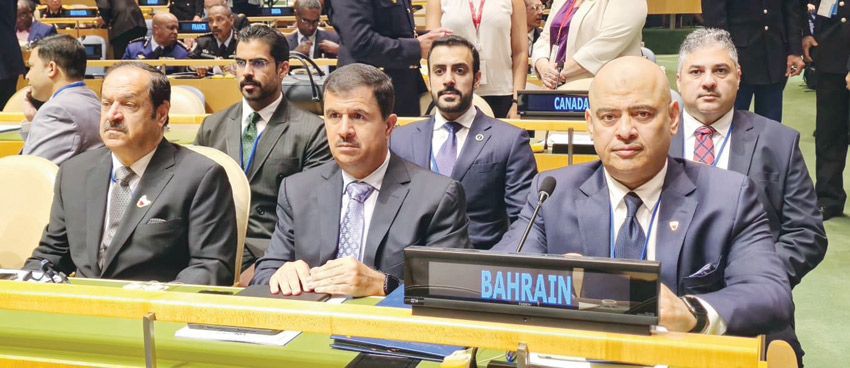
Major General Tarek bin Hassan Al-Hassan, Chief of Police and Chair of the National Committee for Civil Emergency Management, attended the Fifth UN Police Chiefs Summit at United Nations headquarters in New York on July 7–8. The UN Police Chiefs Summit brought together ministers, national police chiefs and senior UN officials to review policing priorities in an evolving global security environment. The meeting agenda centered on operational readiness, capacity building and technological integration in law enforcement.
Key outcomes from the UN Police Chiefs Summit
Participants discussed concrete measures to strengthen police cooperation and interoperability between UN policing components and member states. Officials said the summit emphasized sharing best practices, improving training programs and coordinating responses to cross-border threats such as organized crime, illicit arms flows and transnational trafficking. The summit statement noted the importance of aligning national policing reforms with UN standards to support stability in complex peace and security situations.
Focus on emerging technologies and accountability
Sessions examined responsible adoption of new tools, including artificial intelligence applications, digital policing platforms and information-driven approaches. Delegates highlighted the potential for technology to enhance operational effectiveness while cautioning that any deployment must respect human rights, accountability and the rule of law. According to summit materials, guidelines and ethical frameworks were proposed to guide procurement, oversight and training for technology use in policing.
Balancing innovation with legal and ethical safeguards
Speakers stressed that technology investments require parallel development of governance mechanisms and capacity building. Furthermore, the summit underscored that data protection, transparency and judicial oversight are critical to maintaining public trust. In this context, experts recommended pilot programs, independent evaluations and multilateral exchanges to evaluate the impact of digital tools before wider rollout.
Strengthening international police cooperation
Delegates explored practical avenues to enhance cooperation between national police, UN policing units and other international organizations. Discussions included coordinated training initiatives, joint investigative support, and streamlined information sharing to tackle crimes that cross national borders. Participants agreed that sustained partnerships and interoperable systems are essential to address sophisticated criminal networks and emerging security challenges.
There was particular attention to capacity building in countries contributing personnel to UN missions, with calls for expanded technical assistance and mentorship programs. The summit emphasized that building local institutional resilience supports long-term stability and improves mission outcomes. Officials cited the need for more frequent bilateral and regional exchanges to translate summit commitments into operational improvements.
Operational priorities and the future of UN policing
Speakers considered how UN policing can adapt to changing peace and security dynamics, including urbanization, cyber-enabled threats and climate-related instability. The summit highlighted the role of UN police in environments of peacekeeping, stabilization and post-conflict recovery, noting that flexibility and context-specific mandates are essential. Delegates encouraged efforts to standardize core competencies while allowing mission-tailored approaches.
The summit also addressed staffing, training standards and mental health support for police personnel deployed in high-stress contexts. Experts recommended integrating psychological resilience training and family support systems into deployment cycles to sustain operational effectiveness. Furthermore, the sessions called for improved pre-deployment screening and continuous professional development linked to mission requirements.
Implications for regional and national security
Beyond immediate operational decisions, participants considered broader implications for regional stability and international law enforcement collaboration. The summit linked enhanced policing capacity with reduced impunity, improved rule of law and greater prospects for durable peace. Observers noted that improved coordination among national police and UN bodies could accelerate responses to transnational threats and reduce the footprint of organized criminal networks.
In particular, the summit urged stronger public-private partnerships to secure critical digital infrastructure and to counter online criminality. Delegates emphasized the need for legal frameworks that permit timely cross-border cooperation while protecting civil liberties. According to observers, harmonizing regional legal instruments could remove barriers to rapid investigative cooperation.
What comes next and what to watch
Participants agreed to continue developing international cooperation mechanisms and to expand knowledge exchanges among police practitioners. The summit called for follow-up actions, including joint capacity-building initiatives and technical guidelines on responsible technology use. Stakeholders said progress will be reviewed at subsequent UN meetings and through bilateral consultations among contributing countries.
Readers should watch for the rollout of summit-endorsed guidelines, updates to UN policing doctrine and announcements of new training partnerships in the months ahead. Additionally, attention will focus on how member states integrate summit recommendations into national reform agendas and contribute personnel and resources to operationalize agreed priorities.
Conclusion: continuing the work beyond the summit
The Fifth UN Police Chiefs Summit reaffirmed the centrality of collaboration, professionalism and responsible innovation in contemporary policing. Moving forward, participants emphasized measurable follow-up, enhanced training and adherence to human rights standards as the path to improved security outcomes. Officials indicated that the next steps will involve concrete implementation plans and periodic reviews to track progress on the summit’s commitments.