







The Importance of Defense in Football
The Italian football legend Marcello Lippi once stated, “Attack brings you victories, but defense wins you championships.” This assertion remains relevant today, particularly among football analysts and fans who recognize the critical role a solid defensive strategy plays in achieving success during crucial matches. While an attacking style is thrilling and can lead to immediate wins, a well-structured defensive setup is often the backbone of a championship-winning team.
In modern football, defense is no longer just about a group of defenders blocking shots; it encompasses a comprehensive system that starts from the forward line. Teams increasingly focus on pressing and regaining possession high up the pitch, making defense a collective responsibility that requires coordination and teamwork.
Understanding Defensive Concepts and Principles
Defensive play in football is characterized by a team’s reaction when possession is lost. The objective is to protect the goal and thwart the opponent’s attack, regardless of where the ball is lost—be it in the defensive third, the midfield, or the opponent’s half.
Moreover, defense can manifest in different styles. Teams may choose to apply high pressure near their opponent’s goal, set up a middle block, or drop back to create a compact shape to block space. Therefore, the question has changed from “how many players defend?” to “where and how do teams defend?”
The Principles of Effective Defense
There are several principles foundational to a successful defensive strategy, both individual and collective. The effectiveness of any defensive system hinges on the execution of these key elements. When a player presses an opponent, teammates must be ready to cover the spaces left behind. Covering defense ensures that gaps are not exploited and maintains team integrity.
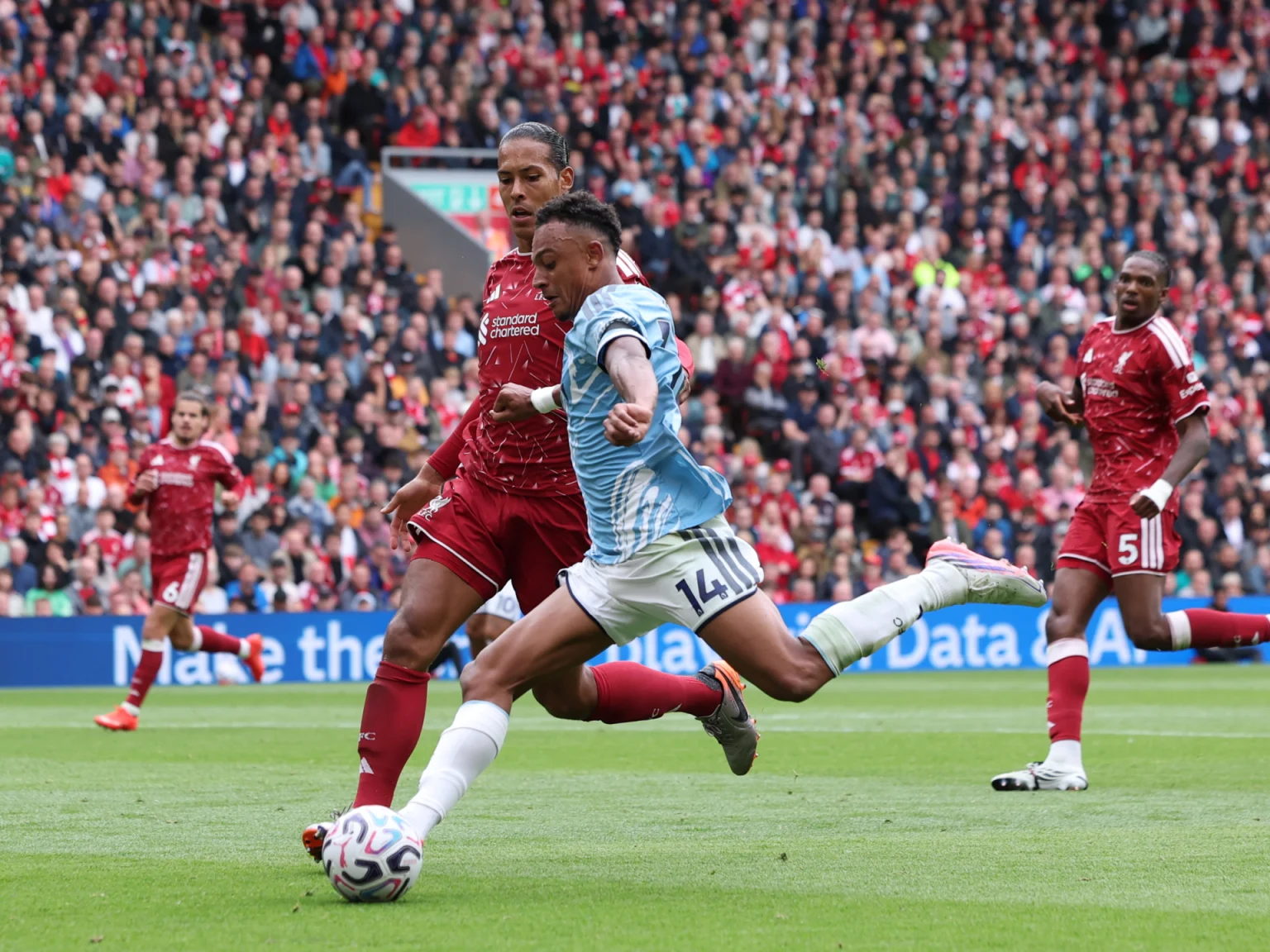
Pressuring the ball carrier involves closing down space and time, compelling the competitor to make quick, often poor decisions. Simultaneously, teams must work together, shifting their positions according to the ball’s location while preserving appropriate distance between players.
Types of Defensive Strategies
Football employs several defensive strategies, including zone marking, man-to-man marking, and mixed defense. In zone marking, players are assigned areas to defend rather than specific opponents, creating a fluid defensive structure that adapts to the ball’s movement. Man-to-man marking involves closely shadowing specific attackers, focusing on individual threats. The mixed strategy combines both approaches, adjusting for different situations during the match.
A team’s choice of defending strategies will largely depend on their tactical philosophy and the opponent’s strengths. Strong teams have shown the ability to switch between defensive styles as needed during a match.
The Role of the Goalkeeper in Defense
The goalkeeper serves as the last line of defense. In modern football, goalkeepers are often expected to participate in building attacks as much as stopping shots. This dual role requires them to be adept in both areas—organizing the defense and making crucial saves. A dynamically engaged goalkeeper can provide confidence to the defense, enabling a more aggressive approach.
Key Defensive Skills for Players
A successful defensive player must possess a range of skills, including timing and positioning. Defense is not solely about physical strength; it’s about reading the game, predicting the opponent’s moves, and reacting appropriately. Individual skills must be combined with a collective approach, fostering an environment where each player is aware of their responsibilities and ready to assist teammates.
Defensive Strategies for Winning Championships
Having a robust defense is paramount for teams aiming to win championships. Good defenses are characterized by their ability to adapt, respond under pressure, and maintain focus throughout the game. The cohesiveness of a team during crucial moments often makes the difference between winning and losing.
For instance, Italy’s national team in the 2006 World Cup exemplified effective defensive organization. They allowed only two goals throughout the tournament and went on to win the championship, showcasing how defensive stability can lead to tournament success.
The Evolution of Defensive Play in Modern Football
As the sport evolves, so do its defensive strategies. Modern teams are increasingly incorporating analytics and technology to enhance their defensive methodologies. The integration of video analysis enables teams to study their defensive weaknesses and strengths, allowing for tailored training sessions focusing on identified issues.
Looking ahead, football fans can anticipate the continuation of these developments in defensive tactics. Coaches will increasingly emphasize the fluidity and adaptability of their teams, ensuring that the principles of solid defense remain relevant in the pursuit of success on the pitch.