






Qatar-Iran phone call confirms Doha’s diplomatic role
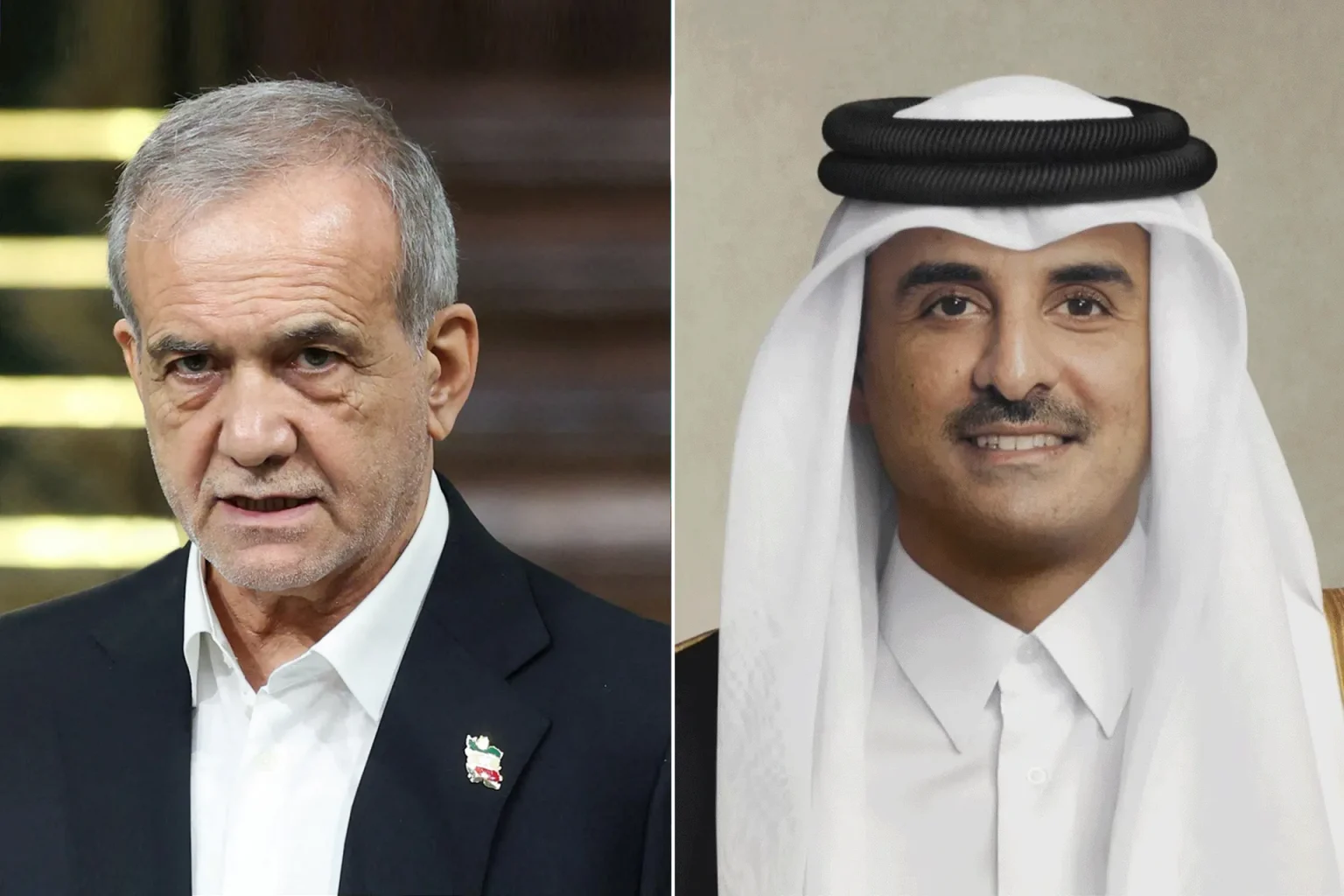
Qatar’s Amiri Diwan reported that Emir Sheikh Tamim bin Hamad Al Thani received a phone call from Iranian President Masoud Pezeshkian on June 18, 2026, in a move described as part of ongoing diplomatic engagement. The Qatar-Iran phone call, according to the Diwan, focused on de-escalation and regional security following an agreement reportedly signed between Tehran and Washington.
According to the Amiri Diwan, President Pezeshkian thanked the emir for Qatar’s efforts to promote calm and stability and acknowledged Doha’s support for diplomatic channels. The Qatar-Iran phone call comes after officials said a memorandum of understanding was electronically signed between Iran and the United States.
Qatar-Iran phone call: key details and immediate context
The Amiri Diwan statement indicated the leaders discussed recent developments and expressed a shared interest in preventing renewed hostilities. The Qatar-Iran phone call emphasized the emir’s support for dialogue and diplomatic solutions to regional disputes, the statement said.
Doha also welcomed the reported memorandum of understanding between Washington and Tehran, with the emir offering congratulations to President Pezeshkian. The Amiri Diwan noted that Qatar regards such steps as a foundation for broader negotiations and long-term conflict resolution.
Qatar’s mediation role and regional stability
Qatar has increased its diplomatic outreach in recent months, officials said, positioning itself as a mediator between competing actors in the region. Therefore, the Qatar-Iran phone call is consistent with Doha’s stated policy of supporting negotiations and quiet diplomacy to reduce tensions.
Qatar’s foreign ministry released a separate statement urging all parties to preserve a constructive atmosphere and to coordinate closely to secure sustainable outcomes. Furthermore, the ministry reiterated Doha’s commitment to backing international and regional efforts that aim to strengthen regional stability and prevent escalation through peaceful means.
Implications of the memorandum of understanding for regional security
Officials in Doha framed the US-Iran memorandum of understanding as a potentially stabilizing development if followed by concrete confidence-building measures. The memorandum of understanding, as described in official statements, is intended to halt active hostilities and create conditions for further negotiations.
Analysts caution that the durability of any US-Iran agreement will depend on verification mechanisms and on sustaining diplomatic momentum. Meanwhile, Qatar’s active role in facilitating contacts—illustrated by the Qatar-Iran phone call—may help bridge gaps and maintain communication channels that reduce the risk of miscalculation.
Why Doha is engaging: motives and diplomatic strategy
Qatar’s officials have framed mediation as part of a broader foreign policy that emphasizes neutrality, dialogue, and providing a platform for talks. In recent years, Doha has hosted or supported back-channel conversations aimed at lowering tensions between regional and international parties.
Therefore, officials argue Doha’s interventions serve multiple purposes: promoting regional stability, safeguarding Gulf security interests, and enhancing Qatar’s diplomatic influence. The Qatar-Iran phone call reflects those objectives and signals an intention to keep lines of communication open between Tehran and other capitals.
Reactions and challenges ahead
International reactions to the reported US-Iran memorandum of understanding remain mixed, with observers urging careful follow-through and transparent verification. The Diwan’s account of the Qatar-Iran phone call suggests that regional actors welcome reduced tensions but also recognize the fragility of initial agreements.
Challenges include translating a memorandum into actionable steps that address underlying disputes, arms control, and regional proxy tensions. Furthermore, sustaining positive momentum requires coordination among regional states, international guarantors, and relevant multilateral institutions.
Related diplomatic activity
Qatar has stepped up shuttle diplomacy and contact with both Washington and Tehran, the foreign ministry noted, and has called on other parties to maintain a constructive spirit. Additionally, Doha has offered to host follow-up talks if both sides agree, according to official statements.
What to watch next
Observers should watch whether the United States and Iran formalize implementation details and whether third-party states endorse verification arrangements. Next steps likely include technical talks, confidence-building measures, and potentially multinational monitoring—processes that could unfold over weeks to months.
The Qatar-Iran phone call suggests Doha will remain engaged as an intermediary; therefore, tracking subsequent contacts between Doha, Tehran, and Washington will be important. Furthermore, analysts will be watching whether the initial memorandum of understanding leads to reductions in regional incidents and improvements in diplomatic relations.
Conclusion and outlook
The Amiri Diwan’s account of the Qatar-Iran phone call highlights Qatar’s continuing role in promoting dialogue amid sensitive regional dynamics. If implemented, the reported US-Iran memorandum of understanding could represent a first step toward de-escalation, but durable outcomes will require detailed follow-up and mutual commitments.
Going forward, readers should watch for official confirmations of implementation measures, any scheduled technical meetings, and statements from regional ministries of foreign affairs. Meanwhile, Doha’s mediation efforts are likely to remain a focal point for those seeking peaceful, diplomatic pathways to enhance regional stability.