






UK Bans Imports from Israeli Settlements
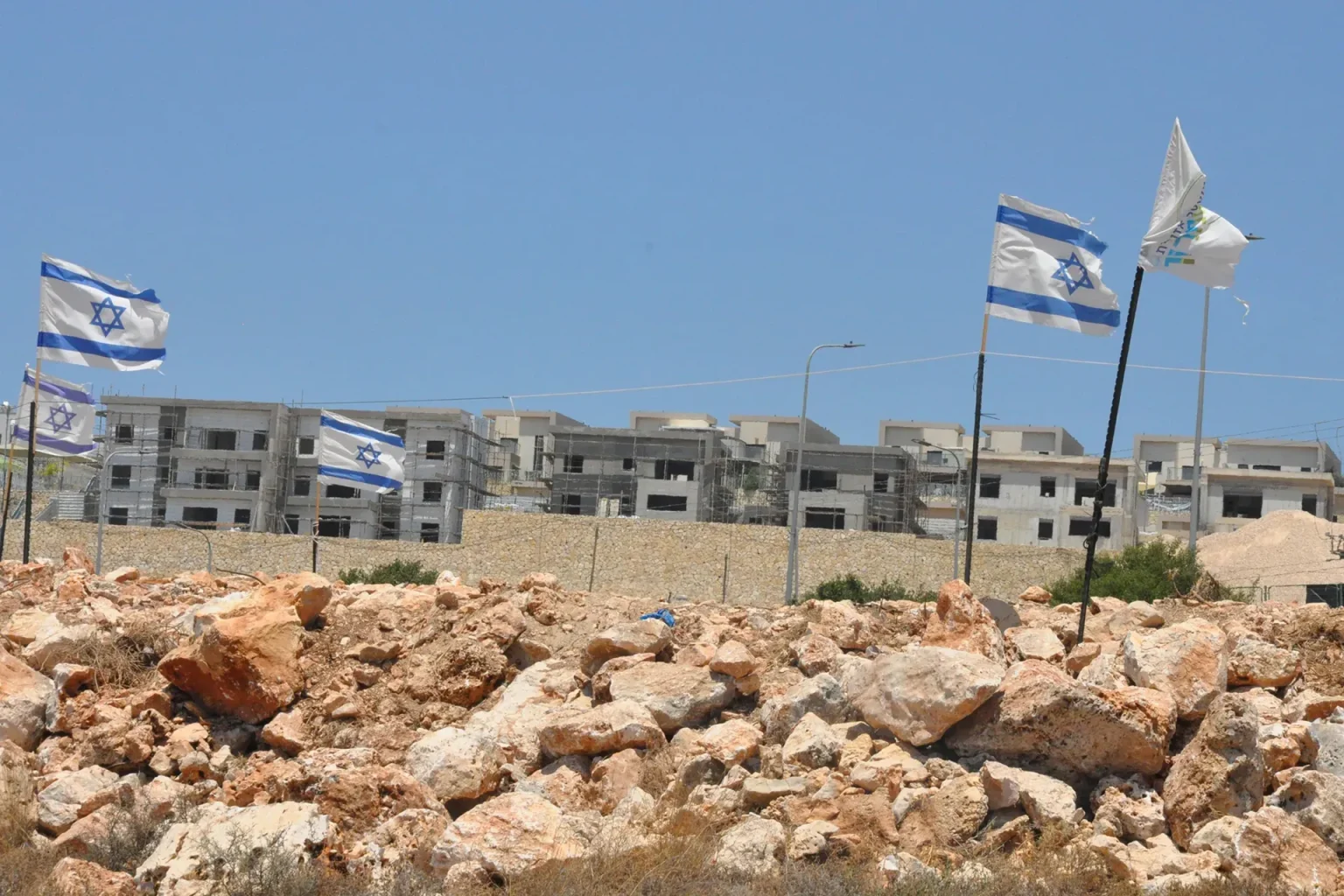
In a significant diplomatic move, the foreign ministers of eight Arab and Islamic nations have welcomed the United Kingdom’s recent decision to ban the import of goods produced in illegal Israeli settlements in occupied Palestinian territories. The nations, including Qatar, Egypt, Jordan, the United Arab Emirates, Saudi Arabia, Turkey, Indonesia, and Pakistan, regard this action as a step in line with international law and an effort to hold accountable those involved in illegal settlement activities.
International Reactions and Statements
The joint statement issued by these foreign ministers on Wednesday expressed hope that the British decision will stimulate similar measures from the global community. They emphasized the need for international accountability for organizations and individuals who support or expand Israeli settlements. Additionally, the ministers praised a recent joint statement from foreign ministers of Canada and several European nations, which indicated their intention to impose national restrictions or support European measures targeting trade from illegal settlements.
Encouragement for Global Action
The eight ministers urged the international community to act upon these positions and take tangible steps to halt economic and commercial activities that sustain the continuation of Israeli settlement. They clarified that these orientations align with international law and related United Nations resolutions, particularly Security Council Resolution 2334 from 2016, alongside the advisory opinion issued by the International Court of Justice in July 2024.
UK’s New Import Restrictions
The UK’s recent actions come on the heels of increased tensions in the region, prompting stronger measures against settlements. British Foreign Secretary Ed Miliband confirmed on Tuesday that the UK will prohibit imports from illegal settlements in the occupied West Bank. This includes sanctions on businesses and individuals providing services that facilitate settlement expansion, such as construction, infrastructure, and financial services.
Implications of the UK’s Decision
Miliband has also stated that the UK will reject future requests for licenses to export arms and products that could significantly support the occupation, indicating a halt to over 30 export licenses linked to military operations in Gaza. Furthermore, a coalition of twelve countries, including the UK, France, and Canada, has committed to enacting national trade restrictions closely related to Israeli settlements as well as supporting similar European initiatives, citing that Israeli policies undermine prospects for a two-state solution.
Continuing Tensions Surrounding Settlements
Since October 7, 2023, there has been a marked increase in violence in the occupied West Bank, characterized by aggressive actions from both the Israeli military and settlers. Reports indicate a rise in settler attacks on Palestinian towns and villages, often occurring with protection from the Israeli occupying forces. There has also been notable expansion in settlement activity, with around 200 new settlement outposts established since early October 2023, according to the Palestinian Wall and Settlement Resistance Authority.
Calls for Ending Settlement Expansion
The ministers reiterated their demands for Israel to dismantle all settlement-related activities and cease policies that alter the geographical and demographic makeup of occupied Palestinian territories. They emphasized that the nations are committed to not recognizing any legal status created by Israeli occupation and refraining from supporting its continuation.
Path Forward for Palestinian Sovereignty
The statement concludes that achieving a just, lasting peace remains contingent on the implementation of a two-state solution. This would involve establishing a sovereign, geographically connected Palestinian state within the borders established prior to June 1967, with East Jerusalem as its capital, adhering to international law and relevant United Nations resolutions.
The momentum from the UK’s decision and the subsequent support from other nations may signal a pivotal change in global diplomatic efforts regarding the Israeli-Palestinian conflict. Observers will be keen to watch how these developments unfold in the context of international relations and the ongoing humanitarian crisis in the region.