







Digital Transformation Kicks Off at University of Technology and Applied Sciences
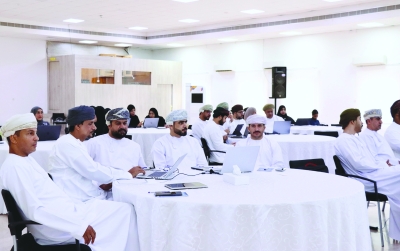
The University of Technology and Applied Sciences recently organized a three-day training program on digital transformation and administrative innovation to boost staff capabilities in modern technologies. The program aimed to develop participants’ skills in digital transformation, artificial intelligence, process automation and cybersecurity, and to promote the integration of modern tools into administrative workflows, university officials said.
Program Overview and Immediate Objectives
The training, held on campus over three days, covered four main modules that addressed the needs of higher education administration. Officials said the agenda included digital strategy in universities, applications of artificial intelligence in administrative tasks, automation of procedures, and cybersecurity and data governance. The sessions targeted mid- and senior-level administrators responsible for service delivery, operations and strategic planning.
In the opening sessions, instructors reviewed the distinction between simple digitization and full institutional digital transformation, the resources required for each stage, and common obstacles institutions face. They emphasized leadership’s role in setting priorities and aligning institutional culture with technological change, according to program materials released by the university.
Digital Transformation in Higher Education
Experts leading the program explained how digital transformation reshapes administrative models in universities by shifting from paper-based, manual processes to data-driven decision-making and automated service delivery. Furthermore, presenters outlined practical steps for planning institutional change, including stakeholder mapping, process audits and pilot implementations. The material stressed measurable outcomes such as reduced processing times, improved service quality and more transparent reporting.
Additionally, participants examined case studies that illustrated phased implementation and change management techniques. These examples highlighted how investments in infrastructure and staff training help ensure that digital transformation yields sustainable operational gains rather than temporary efficiencies.
Applications of Artificial Intelligence in Administrative Work
One module focused on how artificial intelligence tools can support routine administrative functions and enhance decision-making. Trainers demonstrated AI-enabled report generation, automated data analysis, and chatbots for beneficiary services, noting that these tools can relieve staff from repetitive tasks while improving response times. Experts also stressed the importance of validating outputs and maintaining human oversight to avoid overreliance on automated judgment.
Ethical considerations were addressed alongside technical demonstrations. Participants were encouraged to adopt transparent practices for AI use, including disclosure of automated actions and safeguards for fairness and accountability, as industry guidance suggests.
Process Automation and Performance Improvement
The training examined process automation techniques and tools, and how reengineering procedures can unlock efficiency gains. Sessions covered digital workflow platforms, robotic process automation basics and methods for mapping processes to identify bottlenecks and failure points. Trainers recommended measuring productivity using clear performance indicators and continuous monitoring to ensure automation delivers the intended benefits.
Furthermore, attendees practiced applying process-mapping exercises and learned how to prioritize automation opportunities based on cost, impact and implementation complexity. University facilitators stressed that combining technical solutions with revised business rules and staff training is critical to successful automation projects.
Cybersecurity and Data Governance
A dedicated module addressed cybersecurity threats and the policies needed to protect institutional information. Presenters reviewed common attack vectors, basic defensive measures and incident response planning. They also covered data governance frameworks that define how data is classified, accessed and retained to meet regulatory and privacy obligations.
Participants discussed strategies for safeguarding sensitive data, including role-based access controls, encryption and regular audits. The course materials recommended establishing clear governance policies and training programs so staff understand obligations around data protection and privacy.
Capacity Building and Institutional Benefits
University officials said the program aims to equip staff with practical skills to implement digital projects and to raise awareness about security and governance. The course content was structured to allow administrators to return to their units with concrete action plans for piloting automation, applying artificial intelligence responsibly and strengthening data controls. Observers noted that such capacity-building aligns with broader trends in higher education to modernize back-office functions and enhance student and stakeholder services.
Implications and Next Steps
By prioritizing digital transformation and administrative innovation, the university signaled a commitment to improving institutional efficiency and service quality. Moving forward, planners indicated they will monitor pilot projects initiated after the course and evaluate outcomes against performance metrics established during the sessions. They also said follow-up workshops and peer learning forums are likely to support implementation and scale-up.
Stakeholders should watch for announcements about pilot results and subsequent training rounds, which could indicate the university’s progress in embedding modern technologies into routine administrative operations. Additionally, continued attention to cybersecurity and governance will be necessary as new digital services are deployed.
Conclusion and What to Watch Next
The three-day program on digital transformation and administrative innovation represents a practical step toward modernizing university administration. Readers should look for updates on pilot implementations, timeline for broader rollouts, and outcomes related to productivity and service quality. Meanwhile, ongoing training, policy refinement and monitoring will determine how effectively the university converts the program’s lessons into sustained institutional improvements.