






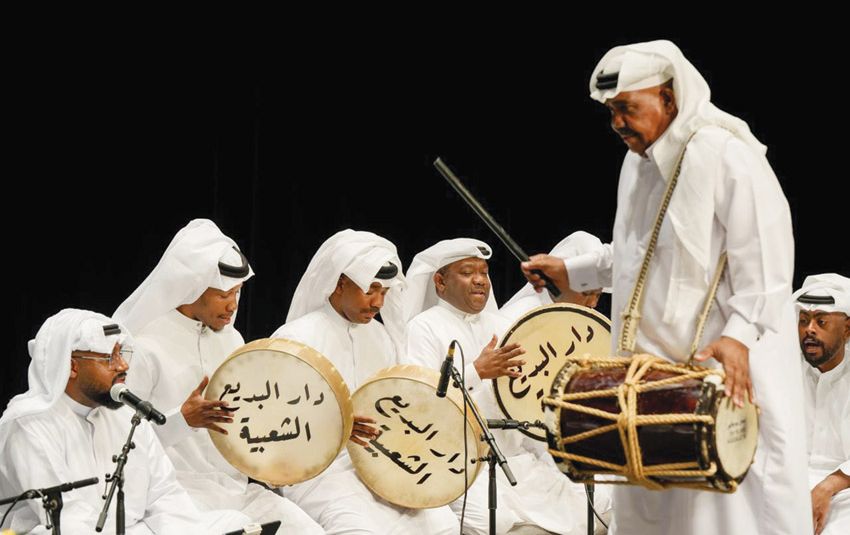

Bahraini folk music evening draws large audience
The Bahrain Authority for Culture and Antiquities hosted an evening of Bahraini folk music at the Cultural Hall, coinciding with Eid al-Adha. The event featured the Dar Al-Badieh southern troupe performing a selection of traditional Bahraini songs, and officials said it attracted a broad public turnout. The performance was described by organizers as part of ongoing efforts to highlight the kingdom’s maritime and social heritage. Audience members expressed appreciation for the revival of familiar tunes and rhythms.
Event details: what happened and where
The concert took place at the Cultural Hall and was organized by the national authority to mark the Eid al-Adha celebration with cultural programming. The Dar Al-Badieh ensemble presented a varied programme of pieces drawn from regional repertoires, blending vocal and rhythmic traditions. Organizers said the staging sought to preserve specific musical forms associated with Bahrain’s coastal communities. Additionally, the event included traditional arrangements that underscored communal singing and percussion patterns.
Performance and repertoire highlights
Performers showcased songs that reflect Bahrain’s seafaring past and social rituals, mixing slower ballads with more upbeat, danceable numbers. Musicians employed indigenous instruments and call-and-response techniques common to traditional Bahraini songs, according to program notes provided by the authority. Furthermore, the troupe’s interpretation aimed to maintain authenticity while offering arrangements accessible to modern audiences. Attendees noted the clarity of vocal lines and the prominence of rhythmic dialogue among percussionists.
Cultural significance of Bahraini folk music
Bahraini folk music serves as a repository for the island’s history, oral narratives and communal memory, and the authority emphasized that point in event materials. The songs performed often reference maritime livelihoods, social gatherings and religious observances, which together articulate a local cultural identity. Therefore, staging such concerts during major holidays like Eid al-Adha reinforces ties between ritual observance and cultural expression. Cultural officials said these presentations also support intergenerational transmission of musical knowledge.
Organizers’ objectives and public reception
The Bahrain Authority for Culture and Antiquities stated the evening was intended to both entertain and educate, placing local heritage at the center of public celebration. Audience response was described as enthusiastic, with many attendees praising the authenticity of the performances and the opportunity to hear well-known melodies restored on stage. Meanwhile, organizers noted that feedback will inform future programming aimed at sustaining traditional arts. The event also functioned as a community gathering point during the holiday period.
Role of Dar Al-Badieh and artistic direction
Dar Al-Badieh’s southern troupe led the musical program, drawing on a repertoire associated with southern coastal traditions. The group’s approach emphasized ensemble cohesion and rhythmic precision, which officials said enhanced the narrative quality of the songs. In addition, the troupe collaborated with cultural staff to select pieces that reflect both historical continuity and present-day relevance. Observers commented that the balance between preservation and performance was handled with care.
Context within Bahrain’s cultural programming
The concert aligns with broader initiatives to showcase traditional arts across the kingdom, particularly during public holidays and cultural seasons. Cultural authorities have increasingly scheduled live performances, exhibitions and workshops to engage diverse audiences, according to official statements. Furthermore, such events aim to support practitioners and encourage renewed interest in practices that might otherwise decline. This particular evening contributed to that pattern by situating folk music within a festive calendar moment.
Implications for heritage preservation and tourism
Presentations of traditional Bahraini songs can bolster heritage preservation by increasing public visibility and demand for live performances. Cultural managers said that sustaining performance opportunities helps retain technical knowledge among practitioners and creates pathways for younger artists to learn from established performers. Additionally, events tied to major holidays may attract visitors interested in authentic cultural experiences, which has implications for cultural tourism strategies. Consequently, officials view live programming as a complement to archival and educational work.
What to watch next
Officials indicated that the authority plans to continue offering culturally focused events and that interested audiences should consult the authority’s events calendar for upcoming announcements. In the short term, observers should watch for similar performances scheduled around national and religious observances. Furthermore, program planners may expand collaborations with regional ensembles to broaden the scope of traditional repertoires presented to the public.
Conclusion and next steps
The Cultural Hall concert reiterated the role of live performance in sustaining Bahraini folk music and connecting communities during Eid al-Adha celebrations. Moving forward, the authority’s programming choices and partnerships will determine how broadly traditional Bahraini songs are circulated and taught. Readers should monitor official channels for future event dates and initiatives aimed at preserving and promoting the kingdom’s musical heritage.