







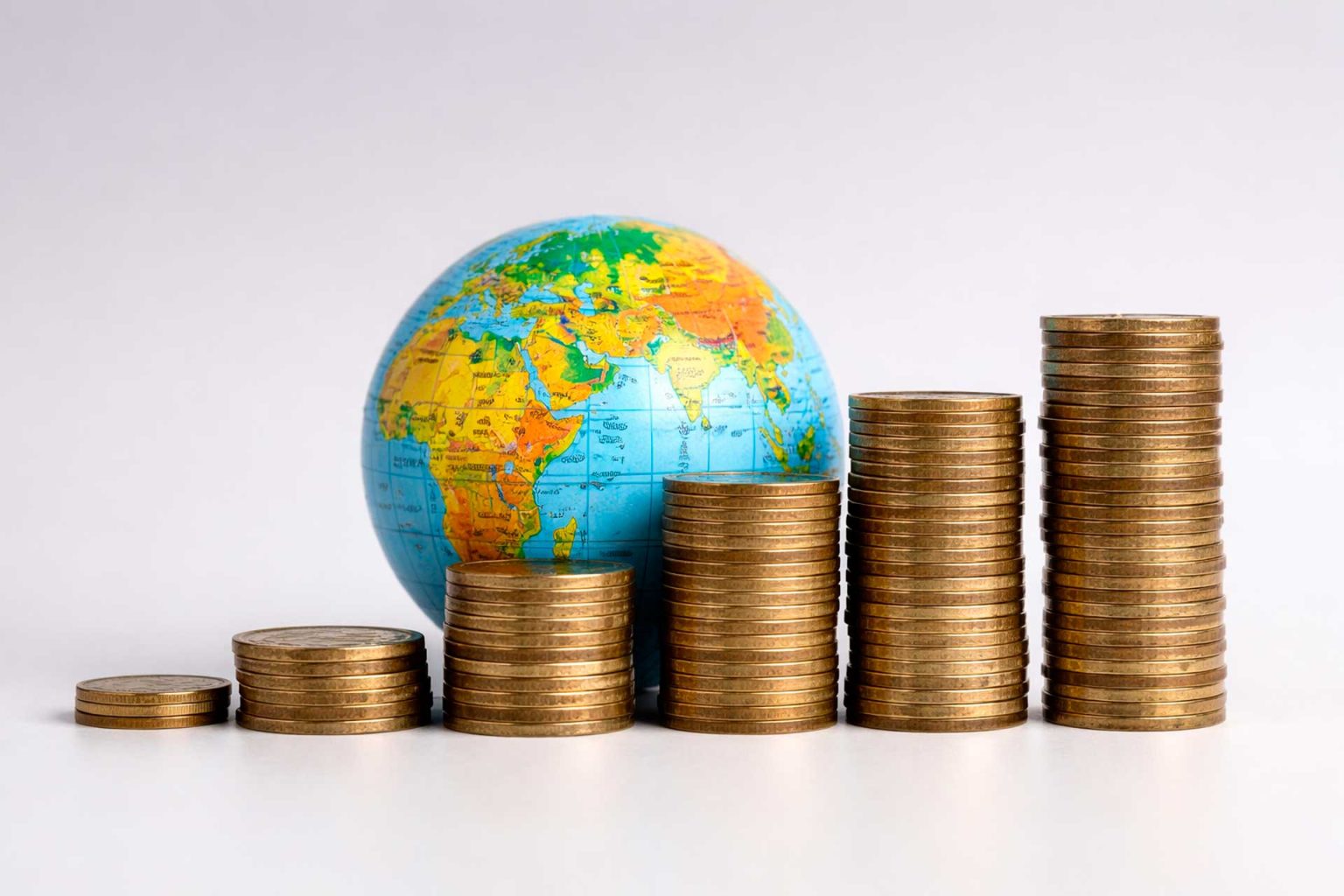

The Top 10 Richest Countries in the World 2026 reflects nations that combine high GDP per capita, diversified economies and strong infrastructure. This ranking highlights countries where individual wealth, public services and business opportunities often cluster—places that attract investors, expatriates and curious travelers alike.
Rankings change with the metric (nominal GDP per capita, GDP (PPP) or total GDP), but the list below focuses on countries widely identified as the wealthiest in 2026 by per‑person income and quality-of-life indicators. Each entry includes why the country is wealthy, practical travel notes, and what visitors should expect at major airports, cities and attractions.
Quick Answer
Quick answer: The Top 10 Richest Countries in the World 2026 generally includes Luxembourg, Switzerland, Norway, Ireland, Qatar, United States, Singapore, United Arab Emirates, Denmark, and the Netherlands — rankings vary by source and by whether measure is GDP per capita or PPP. Check IMF or World Bank releases for official 2026 figures, but these countries consistently appear among the wealthiest.
Key Takeaways
- “Richest” can mean different things: GDP per capita (nominal), GDP (PPP) or total GDP.
- Luxembourg, Switzerland and Norway top many lists because of finance, services and natural resources.
- Travel planning should factor in higher costs, excellent infrastructure and strict visa/entry rules in some wealthy countries.
- For up-to-date rankings and figures, consult IMF, World Bank or national statistical agencies before planning travel or investment.
How “richest” is measured
Simple definition: GDP per capita divides national economic output by population to give a per‑person average. GDP (PPP) adjusts for cost of living differences and is often used to compare living standards. Rankings for the Top 10 Richest Countries in the World 2026 will differ depending on which measure you pick—nominal tends to favor financial hubs and small wealthy states; PPP highlights purchasing power.
Top 10 Richest Countries in the World 2026 — Country-by-country guide
1. Luxembourg
Why wealthy: Strong financial services, favorable corporate tax rules and a high-income workforce. Luxembourg City is a compact capital with a UNESCO-listed old town and excellent rail links to Paris, Brussels and Frankfurt.
Travel tips: Fly into Luxembourg Findel Airport (LUX). Expect high hotel standards and efficient public transport; check Schengen visa rules if you need a visa.
2. Switzerland
Why wealthy: Banking, pharmaceuticals, precision manufacturing and tourism. Zurich and Geneva host global banks, while the Alps fuel premium tourism.
Travel tips: Major airports include Zurich (ZRH), Geneva (GVA) and Basel (BSL). Book mountain travel and scenic trains early; buy travel insurance for alpine activities.
3. Norway
Why wealthy: Oil and gas, sovereign wealth investment and high productivity. Oslo is modern and walkable; fjords attract nature travelers year-round.
Travel tips: Fly to Oslo Gardermoen (OSL) or Bergen (BGO) for fjord access. Costs can be high—plan budgets for dining and transportation, and check seasonal daylight differences.
4. Ireland
Why wealthy: Tech and pharma investment, corporate tax policies and a young, skilled workforce centered in Dublin and Cork.
Travel tips: Dublin Airport (DUB) is the main hub. Expect lively city culture, and book accommodations early during festivals. Verify any visa needs with official immigration sites.
5. Qatar
Why wealthy: Hydrocarbon exports, sovereign investment and rapid infrastructure expansion. Doha has invested heavily in airports, museums and sports facilities.
Travel tips: Hamad International Airport (DOH) is a global transit hub. Respect local laws and customs; check visa-on-arrival rules before travel.
6. United States
Why wealthy: The world’s largest economy by total GDP, driven by technology, finance, entertainment and manufacturing. Cities like New York, San Francisco and Los Angeles are global business and cultural centers.
Travel tips: Major entry points include JFK, LAX, ORD and SFO. Visa and ESTA rules vary—confirm requirements well before booking. Domestic travel is easiest by frequent flights; consider regional trains in the Northeast corridor.
7. Singapore
Why wealthy: A strategic finance, shipping and technology hub with a highly developed services sector and favorable business environment.
Travel tips: Changi Airport (SIN) is world-class. Singapore is compact with excellent public transit; watch for strict local regulations and high accommodation costs.
8. United Arab Emirates
Why wealthy: Oil and gas, diversified investments into tourism, logistics and finance; Dubai and Abu Dhabi are major business and leisure destinations.
Travel tips: Dubai International (DXB) and Abu Dhabi (AUH) are major gateways. Expect luxury hotels and big-ticket attractions; confirm visa exemptions and local laws ahead of travel.
9. Denmark
Why wealthy: High productivity, advanced welfare systems and strong tech and manufacturing sectors. Copenhagen is known for design, cycling culture and Michelin restaurants.
Travel tips: Fly to Copenhagen Kastrup (CPH). Denmark is easy to explore by bike and train; be prepared for higher costs for dining and accommodations.
10. Netherlands
Why wealthy: Trade, logistics and tech-driven economy centered on Amsterdam and Rotterdam’s ports and Schiphol Airport.
Travel tips: Amsterdam Schiphol (AMS) connects to Europe and beyond. Canal-side hotels and efficient rail links make the Netherlands an easy base for regional trips. Check public transport options to avoid taxis in peak seasons.
Practical comparisons and mistakes to avoid
Comparison: Wealthy countries usually offer excellent infrastructure—fast airports, reliable trains and high hotel standards—but they also have higher costs for food, lodging and attractions. Energy-rich states (Norway, Qatar, UAE) contrast with finance hubs (Luxembourg, Switzerland, Singapore) in terms of visitor experience.
Mistakes to avoid: Don’t assume visa-free travel—requirements differ by nationality. Avoid last-minute bookings in popular seasons, and don’t overlook travel insurance when planning outdoor or winter activities.
Best Tips for Planning Your Trip to the Richest Countries
- Plan your budget for higher daily costs—accommodations, dining and public transport often cost more in wealthy nations.
- Book flights into major hubs early: Luxembourg (LUX), Zurich (ZRH), Oslo (OSL), Dublin (DUB), DOH, SIN, DXB/AUH, CPH, AMS and US gateways.
- Check official visa/entry rules and health advisories on government websites; rules can change quickly.
- Use local transport passes and regional railcards where available to save on intra‑country travel.
- Buy travel insurance that covers medical care, cancellations and high‑value gear for activities like skiing or diving.
- Make reservations for popular attractions and fine-dining restaurants ahead of time in major cities.
Who is this best for? Is it worth it?
Short answer: Yes, visiting the Top 10 Richest Countries in the World 2026 is worth it if you value world-class infrastructure, museums, dining and reliable services. These countries offer a mix of business opportunities, cultural attractions and natural beauty.
Who benefits most: Business travelers, cultural tourists, luxury seekers and outdoor enthusiasts who want efficient transport, safety and well-maintained facilities. Budget travelers can still visit, but should expect to prioritize accommodations and book smartly to manage costs.
Safety, insurance and budget considerations
Safety: Wealthy countries generally have low violent crime rates and strong emergency services, but petty theft can still happen in tourist areas. Use normal safety precautions and local common sense.
Insurance and health: Public healthcare coverage varies; travelers should secure travel insurance that includes medical evacuation and coverage for expensive care in high-cost countries like the U.S., Switzerland or Norway.
Conclusion
The Top 10 Richest Countries in the World 2026 offers a snapshot of nations with high per‑person wealth, strong services, and attractive travel infrastructure. Whether you’re visiting for business, culture, or outdoor adventures, planning ahead—especially around visas, insurance and peak-season bookings—will make travel smoother in these high-income destinations. For the latest official rankings and exact economic figures, consult IMF, World Bank or national statistical offices before making financial or travel decisions.
Frequently Asked Questions
What determines the “richest” countries in 2026?
Direct answer: The term usually refers to GDP per capita or GDP (PPP), which measure average economic output per person or purchasing power. Rankings differ by metric and year, so official organizations like the IMF or World Bank provide the final data.
Are the Top 10 Richest Countries the most expensive to visit?
Direct answer: Often yes, but not always. Wealthy countries tend to have higher prices for dining, lodging and services, though costs vary regionally within each country. Budget options and off‑season travel can reduce expenses.
Do I need a visa to travel to these wealthy countries?
Direct answer: Visa requirements depend on your nationality and the destination country’s entry rules. Always check the official government or embassy website for the most current visa and entry information before booking.
Which airports are best for visiting these countries?
Direct answer: Major international gateways include Luxembourg (LUX), Zurich (ZRH), Oslo (OSL), Dublin (DUB), Hamad (DOH), Changi (SIN), Dubai (DXB), Abu Dhabi (AUH), Copenhagen (CPH) and Amsterdam Schiphol (AMS). These airports have strong connections and good onward transport options.
Are these countries safe for solo travelers?
Direct answer: Generally, yes—these countries report low violent crime and reliable emergency services. Solo travelers should still follow standard precautions: secure belongings, stay aware at night, and share itineraries with someone you trust.
How often do rankings change for richest countries?
Direct answer: Rankings can change annually as economies expand or contract, commodity prices shift and population changes occur. For the most accurate 2026 ranking, consult the latest IMF or World Bank reports.
Can tourists find budget options in wealthy countries?
Direct answer: Yes. Hostels, budget hotels, public transit, grocery cooking and off‑peak travel can make visits more affordable. Research city tourism cards and regional passes to reduce costs.