





Sewage network project in Al-Luzy and Hamad City
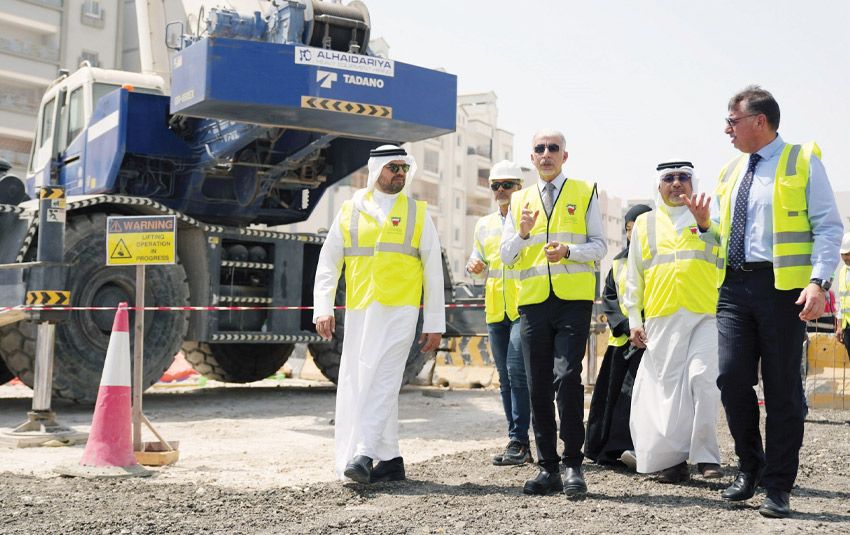
The Ministry of Works reported a field visit by Engineer Ibrahim bin Hassan Al-Huwaj to inspect the sewage network project in complex 1016 in Al-Luzy and complex 1203 in Hamad City. The inspection, attended by senior ministry officials, reviewed current work stages and confirmed progress on a project designed to expand essential sanitation services to local residents.
According to the ministry, the visit aimed to assess construction progress, coordination on technical details and adherence to the approved schedule. Officials said the review included detailed briefings from site engineers and consultants on remaining work and quality control measures.
Scope and technical details of the sewage network project
The project, the ministry stated, will serve 968 properties across the two complexes and is part of the Ministry of Works’ strategic plan to upgrade sanitation infrastructure nationwide. The contractor awarded the work is Abdulhadi Al-Afou Contracting, under the supervision of the consulting firm Stantec Khengy, the ministry said.
Work includes installation of main lines with diameters ranging from 200 millimeters to 1,000 millimeters spanning approximately 15 kilometers. In addition, the scheme provides nearly 10 kilometers of 150-millimeter secondary lines, construction of 754 inspection chambers and a new pumping station with a capacity of 650 liters per second, officials said.
Progress update and project management
The ministry reported that the project has reached about 70 percent completion, with trenches and horizontal directional drilling substantially advanced in many sectors. Ministry engineers briefed the minister on current bottlenecks, supply-chain arrangements and safety practices in ongoing excavation works.
Meanwhile, the ministry emphasized the need to sustain an accelerated work rate to meet the contractual timetable. The delegation reviewed inspection and testing protocols, including pressure and leak tests, to ensure the network meets operational standards before handover.
Coordination and contracts
Project management, the ministry noted, involves close coordination among the contractor, the consulting firm and municipal authorities to minimize disruptions to residents. Furthermore, environmental safeguards and traffic management plans have been implemented around active work fronts to reduce local impact.
Implications for sanitation infrastructure and residents
Officials said the sewage network project is expected to improve service reliability and public health outcomes by replacing ad hoc sewage solutions with a comprehensive sewerage network. This upgrade aligns with national objectives to expand sanitation infrastructure and support sustainable urban growth.
For residents of Al-Luzy and Hamad City, the network will provide a permanent connection to a centralized system, reducing reliance on septic solutions and lowering the risk of localized contamination. The ministry added that commissioning of the pumping station and final connections will be coordinated with householders to ensure smooth transitions.
Financial oversight, quality control and sustainability measures
The ministry reiterated that the contract was awarded through the official tenders board and that financial and technical oversight will continue during the remaining work. According to the ministry, periodic audits and third-party reviews are part of the contract to verify compliance with specifications and budgetary controls.
Furthermore, the project design includes measures to enhance the long-term sustainability of the sewage network, such as durable pipe materials and access chambers for maintenance. The ministry indicated that these choices were made to extend service life and reduce future operation and maintenance costs.
What to watch next and expected milestones
Officials said the next critical milestones include completing the remaining 30 percent of construction, finalizing pressure and integrity testing, and commissioning the new pumping station. The ministry expects continued site activity in the coming months and will provide periodic updates on completion rates and handover schedules.
Residents and stakeholders are advised to watch for official communications regarding final connection procedures and temporary traffic arrangements during the finishing works. The ministry stated it will continue to coordinate with local authorities to limit disruption and ensure timely delivery of the project benefits.
In conclusion, the sewage network project in complexes 1016 and 1203 represents a significant investment in sanitation infrastructure for Al-Luzy and Hamad City. According to ministry statements, maintaining the current momentum is essential to meet the approved timeline and to bring improved sewerage services to nearly 1,000 properties in the area.