




Evolving Economic Relations Between Egypt and Gulf Nations
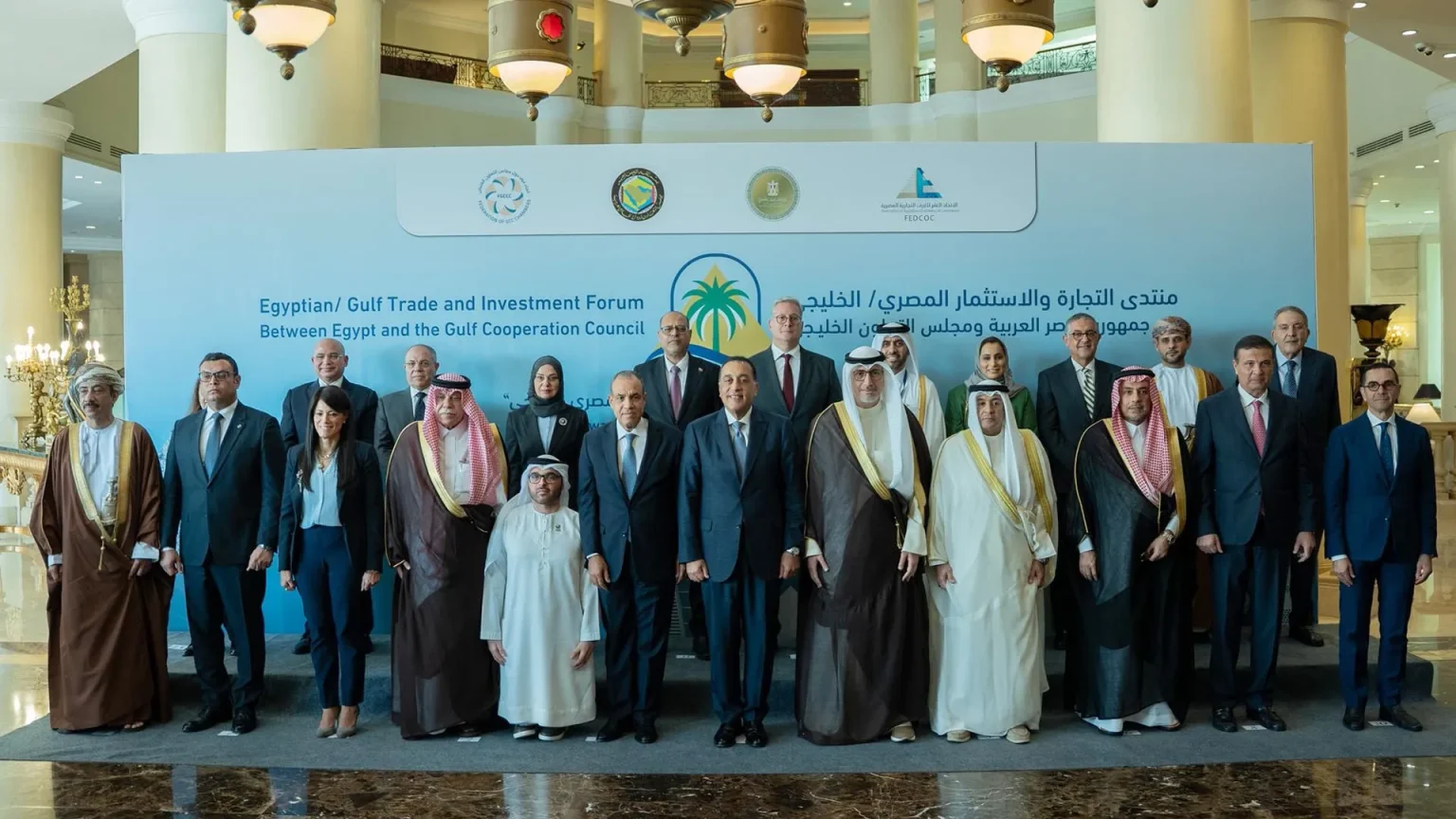
The economic relationships between Egypt and Gulf countries are experiencing a significant structural transformation. Transitioning from traditional financial support and bank deposits, these nations are engaging in substantial investment partnerships and major development and logistics projects. This change occurs at a crucial time when Cairo seeks to bolster its foreign currency reserves and confront pressing geopolitical challenges, notably disruptions in navigation through the Red Sea and declining revenues from the Suez Canal.
The shift in financial ties has become increasingly important, particularly due to the pressures facing Egypt’s economy. Enhancing foreign direct investment and revitalizing remittances from expatriates are considered vital components for achieving financial stability.
Record Investments and Financial Commitment
The United Arab Emirates leads the financial and economic connections with Egypt, boasting an estimated relationship valued at around $75 billion. In the fiscal year 2023-2024 alone, investments reached record levels, totaling nearly $40 billion, propelled by the notable “Ras Al Hikma” project. Saudi Arabia follows closely behind with investments valued at $60 billion, primarily driven by worker remittances and trade exchanges, in addition to short-term deposits of $5 billion at the Central Bank and another $5.3 billion in medium- and long-term deposits.
Qatar ranks third, with financial engagements approximating $40 billion, bolstered by the “Alam Al Roum” project worth about $30 billion and renewed deposits of approximately $4 billion. Kuwait contributes $23.5 billion, with Oman and Bahrain collectively engaging around $5 billion.
Investment Shifts: A Safe Haven for Capital
Dr. Abdel Nabi Abdel Matlab, an international economics expert and former deputy for external trade research, explains that the movement of Gulf capital from deposits to direct investment reflects the ramifications of the Russia-Ukraine conflict and concerns about investments in Europe. These developments have positioned Egypt as a “safe haven,” particularly as Cairo offers comprehensive and profitable urban and tourism projects, contributing to the restoration of normalized diplomatic relations.
According to Abdel Matlab, while these investments boost the economy, they do not entirely compensate for losses incurred due to regional tensions. These tensions are estimated to have cost Egypt between $7 billion and $10 billion due to the Suez Canal income dropping by approximately 50% and delays in attracting $25 billion in tourism investments for 2025-2026.
The Energy Sector: A Strategic Future
The energy sector presents a strategic opportunity for future growth. Egypt can extract, liquefy, and re-export natural gas to Europe, addressing the continent’s needs amid challenges in the Red Sea. Such initiatives not only support the Egyptian economy but also generate significant returns for Gulf partnerships.
Additionally, remittances from Egyptians working in Gulf countries are a crucial safety valve for the economy. After experiencing sharp fluctuations, with remittances dropping from $31.5 billion in 2021 to below $20 billion in 2023 due to the parallel market, figures surged once again following the unification of the exchange rate. Remittances exceeded $41 billion last year, marking a 40% increase and reaching approximately $34 billion within the first eight months of the current year.
Conclusion
The evolving economic relationships between Egypt and Gulf nations signify a strategic pivot towards more substantial investments as Cairo seeks to stabilize its financial landscape. With substantial capital inflows and a focus on the energy sector, Egypt is positioned to recover from regional tensions while providing attractive opportunities for Gulf stakeholders. Moving forward, observers should monitor the development and implementation of upcoming major projects, as well as potential negotiations focused on enhancing cooperative ventures.