








The Impact of the Arab Reading Challenge on Cultural Identity
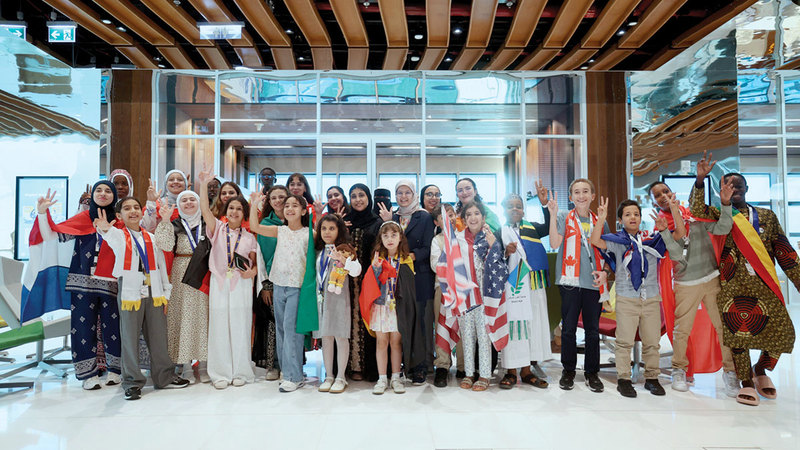
The Arab Reading Challenge 2026 is fostering a deep connection among participants to their native language and cultural roots. Participants have reported that this initiative has transformed reading in Arabic into a practice that strengthens their sense of belonging, while also boosting their confidence in expressing their identities within multilingual and multicultural communities. This grand initiative is not just about the number of books read, but also about cultivating a profound relationship with the Arabic language and its associated culture.
The Role of Mothers in Language Preservation
Participants from various regions, such as Manisa Abumahmood and Maysa Abedine from Germany, have emphasized the critical role mothers play in ensuring the success of the reading challenge. They noted that mothers maintain the presence of the Arabic language in daily life by encouraging their children to read and connecting them to their culture through storytelling and family discussions. The consensus among participants is that preserving the Arabic language begins at home and is bolstered by initiatives that provide a purpose and motivation for continued engagement.
Personal Experiences from Participants
Iraqi participant Nyan Al-Maliki from Finland and Syrian participants Hala Adeb Hassan from Malaysia and Sundus Al-Khatib from Luxembourg have expressed how the challenge has contributed to strengthening the Arabic language among new generations living outside the Arab world. They believe the initiative reinforces the status of Arabic as a vibrant language for thinking and expression, imbued with cultural values and a connection to their heritage.
Furthermore, they conveyed that their involvement in the challenge has deepened their affection for the Arabic language, enhancing its presence in their lives and providing a platform to articulate their ideas and feelings. Many shared that the challenge has rekindled sentimental connections to their early tales, as the Arabic book has become a means to rediscover their history and culture.
Navigating Language Challenges in Multilingual Environments
Participants such as Heba Basel Abbas from Ireland and Rana Raed representing the Netherlands underscored the challenges Arabic language speakers face amidst dominant local languages. They highlighted how the challenge serves as a catalyst, inspiring them to engage with their language and culture, linking reading with enjoyment, knowledge, and a sense of belonging. This concern was echoed by Sirin Hamsho, the mother of an Arabic student, who acknowledged the significant role that mothers play in keeping the Arabic language alive in non-Arabic-speaking environments. She noted that instilling the Arabic language within their children is a challenging endeavor that requires continuous effort and dedication.
Expert Insights on the Arab Reading Challenge
Sajida Al-Bashir, the head of the judging committee for the Arab Reading Challenge, has emphasized the importance of reading in developing students’ skills and intellectual capabilities. This year’s competition witnesses participants exhibiting fluency in Arabic, critical reading, and the ability to express their ideas confidently, which are critical assessment components. Al-Bashir also stated adjustments have been made in the evaluation process to meet the specific needs of participants from multilingual backgrounds, acknowledging the unique challenges they face.
Conclusion: The Future of Arabic Language Engagement
The Arab Reading Challenge is not only fostering an appreciation for the Arabic language but also creating enduring bonds to cultural identities amidst diverse linguistic environments. As the initiative continues to evolve, it is expected to have an even greater impact on future generations, helping them to navigate their cultural identities while embracing their roots. Families are encouraged to promote the use of Arabic within their homes, ensuring the language remains vibrant and relevant in their lives.