




Iran attacks Gulf states: UN and GCC responses
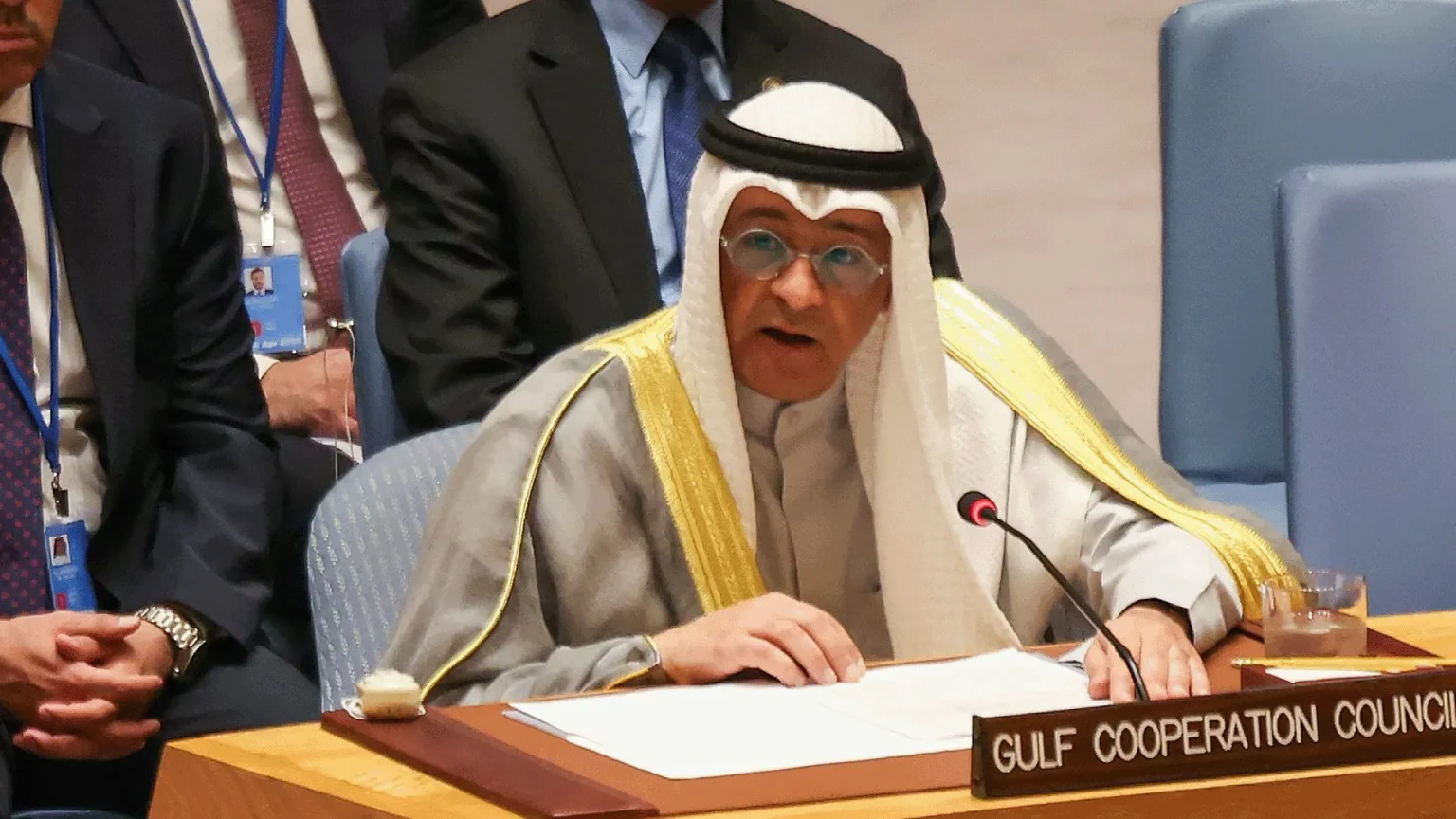
Iran attacks Gulf states, the Gulf Cooperation Council (GCC) secretary-general said Wednesday during a United Nations Security Council session, accusing Tehran of continuing missile and drone strikes against GCC countries and others in violation of international law. Jassim Al-Budaiwi raised the allegations at a meeting on governance of natural resources, saying the strikes disrupt development and pose serious risks to the global economy.
The secretary-general urged the Security Council and the international community to take measures to stop what he called Iranian aggression, according to his remarks to the council. He also linked the attacks to threats against commercial shipping and energy security in the region.
Maritime security and freedom of navigation risks
Al-Budaiwi highlighted incidents he said involved the targeting of commercial vessels, placement of naval mines, and repeated Iranian warnings to close the Strait of Hormuz. These actions, he said, threaten freedom of navigation and could have significant repercussions for global energy markets.
Meanwhile, the secretary-general also condemned statements by the Houthi movement that hinted at closing the Bab al-Mandeb strait, calling such threats a serious escalation and a direct violation of international law. Maritime security experts note that any disruption to these chokepoints would ripple through shipping routes and spike insurance and freight costs globally.
Why the Security Council meeting matters
The session, convened under the theme of natural resources governance, provided a forum to link security and economic stability concerns. Al-Budaiwi argued that natural resources should build cooperation and prosperity, not fuel conflict and division.
Officials at the United Nations and in Gulf capitals are increasingly framing these attacks as not only regional security issues but also as impediments to sustainable development. Therefore, discussions at the Security Council focused on legal obligations under the UN Charter and the need for collective steps to safeguard civilians and commercial traffic.
Regional actors and recent escalations
Since the resumption of strikes and counter-strikes in recent weeks, several Gulf states and Jordan reported being targeted by missile and unmanned aerial vehicle strikes, an escalation that has drawn broad diplomatic concern. Gulf leaders and international partners condemned attacks that they say endanger civilian lives and critical infrastructure.
At the same time, Houthi threats to obstruct passage through the Bab al-Mandeb raise broader concerns about the security of Red Sea routes, which carry a large share of global trade. Analysts warn that such multipronged pressure on maritime corridors increases risks to supply chains and energy shipments.
Legal and economic implications
Al-Budaiwi framed the conduct he described as contrary to international law and the UN Charter, asking the Security Council to act to halt the pattern of strikes. Legal experts say that targeting commercial shipping or threatening chokepoints could constitute breaches of customary international law governing the safety of maritime commerce.
Economically, the potential disruption to the Strait of Hormuz and Bab al-Mandeb could affect oil and gas flows and elevate market volatility. Energy-importing countries and shipping firms are monitoring the situation closely, and some have already adjusted routing and insurance arrangements in response to perceived risks.
Responses from international stakeholders
Diplomatic sources indicate that Western capitals and regional partners are exploring coordinated responses, including enhanced naval patrols and diplomatic pressure through multilateral forums. Therefore, the issue is likely to remain on the agenda of the Security Council and allied meetings in coming weeks.
Humanitarian and development agencies have underscored that prolonged instability undermines reconstruction and economic recovery efforts across the region. Furthermore, private sector actors have warned that sustained attacks on maritime assets could accelerate supply chain diversification away from the affected corridors.
What to watch next
Observers should watch for any Security Council statements or resolutions responding to the secretary-general’s appeal and for concrete measures from regional security coalitions. In addition, naval deployments, convoy arrangements, and changes in commercial shipping lanes will be key indicators of how governments intend to protect freedom of navigation and maritime security.
Finally, diplomatic engagement between major powers and Tehran, and any public moves by Gulf states to seek international legal remedies, will shape developments over the coming weeks. Policymakers said they will monitor whether rhetoric subsides or whether incidents escalate into wider confrontations.
Conclusion and forward look
Al-Budaiwi’s appeal at the Security Council framed the current pattern of strikes and maritime threats as obstacles to peace, development, and global economic stability. Going forward, the international community is expected to weigh legal, diplomatic, and security options aimed at restoring safe passage for commercial shipping and reducing the risk of wider conflict.
Readers should watch for Security Council actions, regional security coordination, and any changes in maritime traffic patterns in the next 30 to 90 days as indicators of whether pressures on navigation and energy security will ease or intensify.