






Qatar Energy Extends Force Majeure on LNG Shipments Amid Market Implications
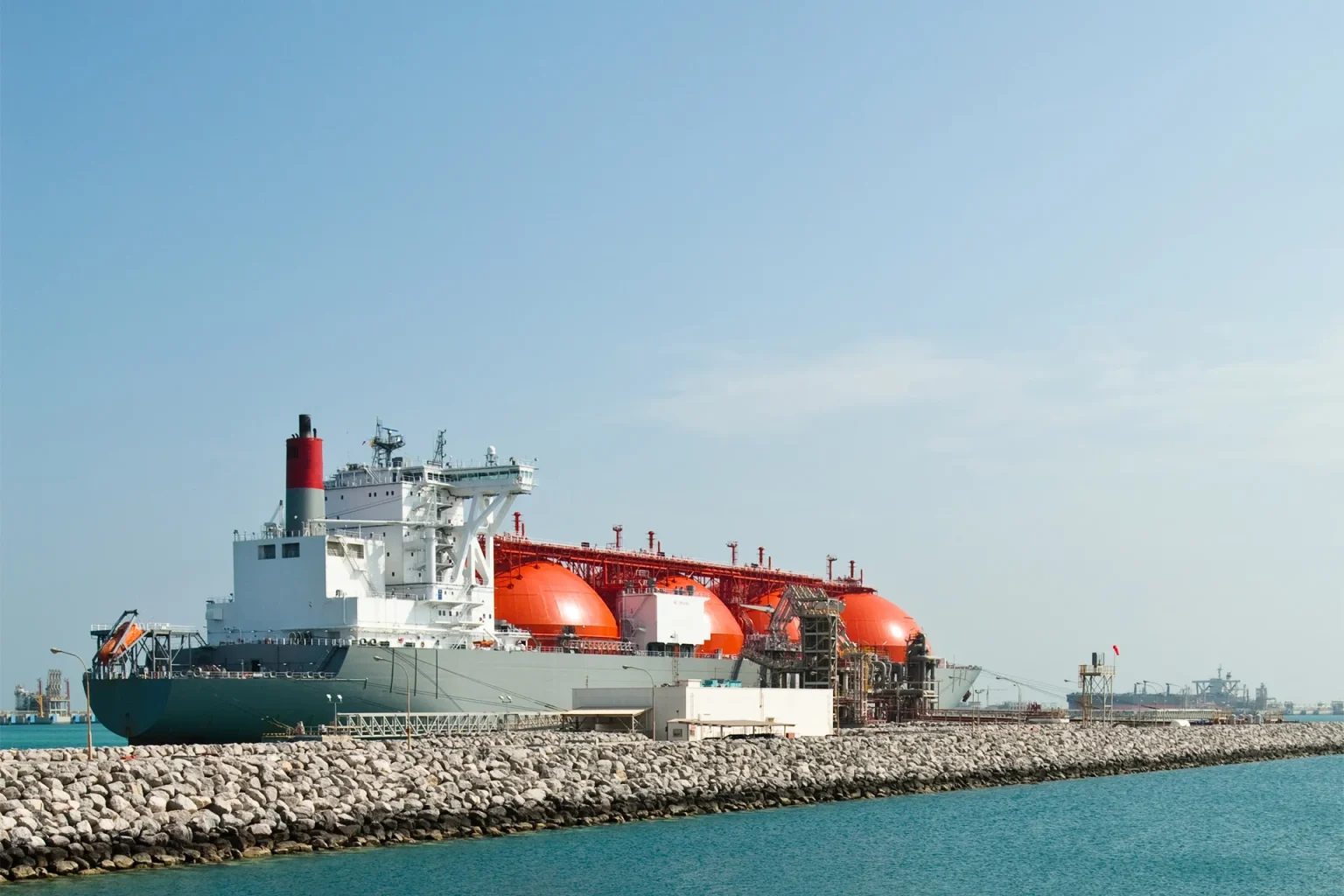
Qatar Energy has announced the extension of force majeure on several liquefied natural gas (LNG) shipments to Asia and Europe for an additional month, according to Bloomberg. This decision reflects ongoing operational challenges stemming from navigation disruptions in the Strait of Hormuz and damage to production facilities. The move underscores Qatar’s significant role in stabilizing global gas markets.
The company has informed buyers in Pakistan and Bangladesh that the cancellation of shipments will persist until November. Additionally, at least one Indian buyer and the Italian company Edison have been notified about continued shipment suspensions, indicating broader impacts on the market and supply availability.
Global Market Impact of Qatari LNG Supply
The recent announcements regarding the extended force majeure have sparked concerns over Qatari LNG supplies’ influence on global prices. The absence of significant quantities from Qatar has resulted in increased competition among buyers in Asia and Europe for alternative shipments. This shift has driven gas prices in both regions to near record highs since late 2022, demonstrating Qatar’s critical position in the global energy market.
Reports indicate that navigation disruptions in the Strait have pushed LNG prices to levels nearing €70 (approximately $79) per megawatt-hour in Europe, drastically up from about €30 ($34) before the recent supply challenges. Meanwhile, Asian LNG price indices have surged from $13 to approximately $26 per million British thermal units. Analysts attribute these price hikes to the intense competition arising from limited supplies that were previously supplied consistently by Qatar.
Operational Challenges and Future Outlook
Despite the ongoing force majeure status, Qatar Energy has shown resilience. It managed to increase the number of LNG shipments crossing the Strait of Hormuz in September, with vessels reportedly arriving at Asian markets. This suggests that while disruptions persist, Qatar is optimizing its operational capabilities whenever security conditions allow.
Experts like Aamer Al-Shoubki highlight that Qatar’s ability to provide substantial volumes consistently is a key value proposition. The report notes that before the current disruptions, Qatari supplies accounted for nearly one-fifth of the global LNG market. The difficulty in quickly compensating for this lost supply underscores the necessity for long-term contracts and stable production practices in the energy sector.
Long-Term Contracts and Strategic Importance
This crisis has also emphasized the importance of long-term contracts which provide clear visibility and stability needed for both producers and consumers in the LNG market. For instance, Edison has maintained a 25-year contract with Qatar Energy since 2009, which allows for predictable supply streams contributing to a significant portion—approximately 10%—of Italy’s gas consumption.
Long-term agreements enable producers to plan substantial investments in production facilities and liquefaction infrastructures. Even amid force majeure declarations, these agreements provide a certain level of assurance and continuity in supply, a factor increasingly critical in unpredictable market climates.
Looking Ahead: Qatar’s Production and Market Strategies
As Qatar navigates through these challenges, the outlook includes a gradual return to normal production levels. Minister of State for Energy Affairs, Saad Sherida Al-Kaabi, indicated that production is being adjusted to meet domestic electricity needs while maintaining a commitment to export, albeit at reduced levels until navigational conditions improve.
Future steps will likely involve monitoring improvements in operational conditions coupled with efforts to stabilize gas exports through the Strait of Hormuz. Analysts believe that the strategic expansions in Qatar’s LNG production capacity, which aims to increase output from 77 million to 142 million tons per year by 2030, will be pivotal in further strengthening its position as a leader in the global energy landscape.
Market participants will be watching closely for developments regarding production levels and shipping stability as winter approaches, which historically elevates demand for natural gas. The interplay of operational capacity at Qatar’s Ras Laffan facility and shipment activities through critical corridors will be crucial in determining the next phase of Qatar Energy’s operations and its impact on global gas prices.