





Qatar Egypt diplomatic talks: Leaders meet in Doha to push de-escalation
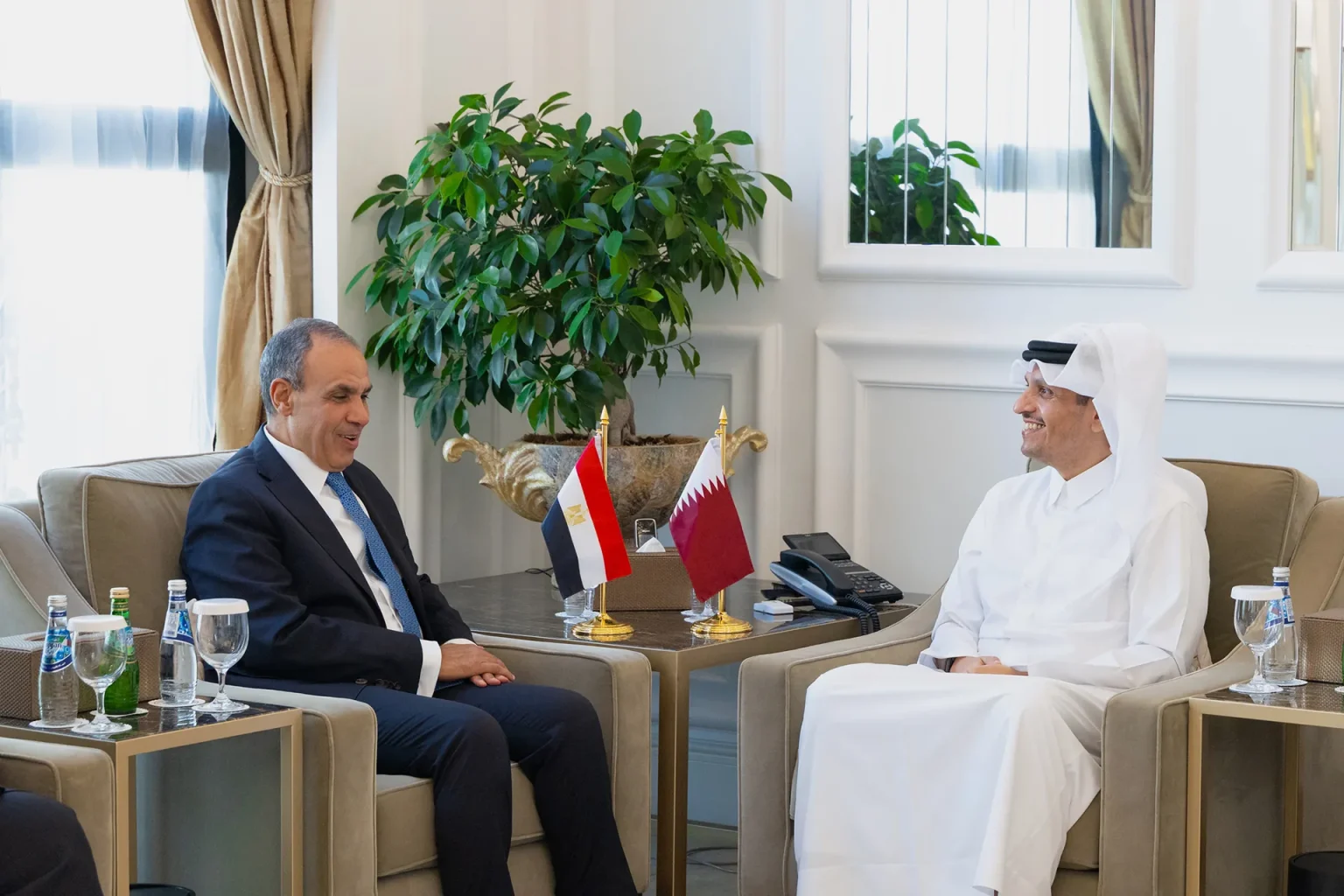
Doha — Qatar and Egypt held high-level diplomatic talks on July 25, 2026, as officials sought to reduce regional tensions and coordinate diplomatic efforts. The meeting brought together Qatar’s Prime Minister and Minister of Foreign Affairs, Sheikh Mohammed bin Abdulrahman bin Jassim Al Thani, and Egypt’s Foreign Minister Badr Abdel Aati, according to statements from both countries’ foreign ministries.
The ministers met in Doha on Saturday to review bilateral cooperation, discuss recent regional developments and press for continued de-escalation, the Qatari ministry said. The talks also covered diplomatic coordination linked to a United States–Iran memorandum of understanding and efforts to secure freedom of navigation in the Strait of Hormuz, officials added.
Key outcomes from Qatar Egypt diplomatic talks
During the meeting, Qatar’s prime minister emphasized the importance of dialogue and diplomacy as the primary means to resolve disputes, according to the Qatari statement. He called on all parties to uphold commitments in the U.S.-Iran memorandum and to ensure that maritime routes remain open to protect regional security and commercial shipping.
Egypt’s foreign ministry described the session as part of routine daily consultations and continuous coordination between the two countries. The Egyptian statement said both ministers reiterated a shared commitment to intensify bilateral cooperation, especially in economic and trade sectors, and to explore new investment partnerships that benefit both nations.
Officials from both capitals underlined support for ongoing regional efforts to contain hostilities and to return disputing parties to negotiations. The ministers agreed to continue regular consultations until de-escalation initiatives show concrete progress, the Egyptian ministry said.
Diplomatic agenda and regional security implications
The discussion reflected broader concerns over heightened tensions across the Middle East. Participants reviewed the situation in Gaza, the West Bank and East Jerusalem, and stressed the need to implement first-stage obligations of the U.S. administration’s plan as part of a pathway toward wider stabilization, Egyptian officials said.
Therefore, the meeting served as an opportunity for Cairo and Doha to align their diplomatic messaging and undertake joint steps aimed at calming the situation. Meanwhile, both ministries called for regional actors to redouble efforts to facilitate a sustainable cessation of hostilities and to resume formal negotiations.
Analysts note that coordination between Qatar and Egypt carries practical implications for mediation channels. Qatar has frequently acted as an intermediary in regional disputes, while Egypt’s diplomatic weight and security role in the eastern Mediterranean and the Red Sea make its cooperation consequential for any de-escalation strategy.
Economic and bilateral cooperation discussed
Beyond security matters, the ministers prioritized strengthening economic and commercial ties. Both sides expressed interest in expanding trade, promoting investment flows and opening new cooperation avenues in sectors such as infrastructure and energy, according to the Egyptian ministry.
Furthermore, the talks highlighted prospects for joint projects and increased private-sector engagement. Officials said they would pursue mechanisms to facilitate business partnerships and to attract mutual investment, which could have a stabilizing effect by tying diplomatic progress to tangible economic benefits.
Practical steps and follow-up
Both ministries indicated they will maintain ongoing consultations and coordinate diplomatically with regional partners and international stakeholders. They agreed on follow-up meetings and working-level exchanges to monitor progress on de-escalation and to advance bilateral economic initiatives, the statements said.
Context: U.S.-Iran memorandum, freedom of navigation and mediation roles
Central to the talks was the memorandum of understanding between the United States and Iran referenced by officials. Qatar’s prime minister called for honoring the terms of that understanding, which he said includes guarantees for freedom of navigation in strategic waterways such as the Strait of Hormuz.
Ensuring freedom of navigation remains a priority for regional stability and global trade. Therefore, ministers underscored the need for commitments that prevent maritime disruptions and protect energy shipments, which are vital to international markets.
Additionally, the meeting underscored Qatar’s continuing role as a mediator and Egypt’s role as a regional stabilizer. Together, coordinated diplomatic initiatives by the two governments may help bridge gaps between external actors and local authorities, officials suggested.
What to watch next
Observers should monitor several developments in the coming weeks. First, whether follow-up consultations produce concrete steps toward a de-escalation timeline and renewed negotiations between the concerned parties. Second, the pace and scope of proposed economic and investment agreements between Qatar and Egypt.
Finally, stakeholders will look for indications that the U.S.-Iran memorandum’s provisions are being implemented in ways that reduce the risk of maritime incidents. Continued joint diplomatic outreach and transparent reporting by both ministries will be key to assessing progress, analysts said.
In conclusion, the July 25 meeting in Doha demonstrated mutual interest from Qatar and Egypt in combining diplomatic pressure with economic incentives to stabilize the region. Readers should watch for scheduled follow-up meetings and any coordinated statements from regional partners that signal the next steps in de-escalation and negotiation efforts.