





Northern Governorate health accreditation at center of committee meeting
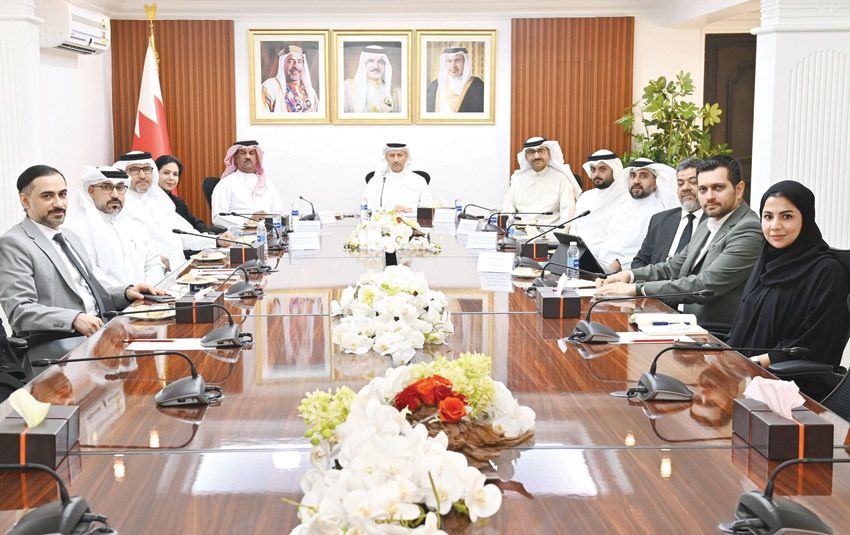
The Northern Governorate health accreditation was the focus of a high-level committee meeting led by Hassan bin Abdullah Al Madani, Governor of the Northern Governorate and chair of the Higher Committee for the Healthy Cities Program. The session, held this week in the governorate, brought together senior municipal and security officials to review plans aimed at renewing WHO accreditation in 2025.
Who attended and what was discussed
Officials said the meeting included Brigadier Abdullah Ali Rashid Ma’antir, Deputy Governor, and Engineer Mohammed Saad Al-Sahli, Director General of the Northern Region Municipality, among other committee members. Attendees reviewed the governorate’s action plan, performance indicators and a schedule of initiatives that support the accreditation process.
During the discussion, committee members assessed progress against the Healthy Cities Program criteria and considered targeted programs for priority groups, including youth, children, older adults and persons with disabilities. The session emphasized interagency coordination between security, health and development bodies, officials noted.
Institutional approach to securing WHO accreditation
The governor highlighted that the Northern Governorate’s achievements within the Healthy Cities Program reflect policy direction from national leadership and the integration of public, private and community stakeholders. According to official statements, the committee is pursuing a structured institutional approach to sustain achievements and address remaining gaps ahead of the WHO accreditation timeline.
Therefore, the committee is prioritizing measurable interventions—environmental upgrades, public health campaigns and community sports initiatives—that align with international best practices. Meanwhile, municipal and health authorities are refining monitoring frameworks to ensure data-driven reporting for the accreditation dossier.
Key initiatives supporting the accreditation process
Committee members outlined a set of environmental, health and recreational initiatives designed to meet WHO Healthy Cities indicators. These include urban greening and waste management improvements, enhanced public health outreach, and expanded recreational programs to encourage active lifestyles across age groups.
Additionally, officials said inclusive programming for persons with disabilities and targeted services for seniors will be scaled up. The emphasis on cross-sector collaboration is intended to demonstrate a replicable model for sustainable healthy governorates in the region.
Performance indicators and monitoring
The meeting reviewed core performance indicators used to track progress toward the Northern Governorate health accreditation. These indicators focus on environmental quality, access to preventive health services, community engagement, and cross-sector governance mechanisms, according to committee materials.
Officials indicated that regular monitoring and quarterly reporting will underpin the accreditation submission. Furthermore, the committee will use established benchmarks to prioritize interventions that produce measurable improvements within the required timeframe.
Implications for local services and community engagement
Renewing the WHO accreditation is expected to reinforce service delivery standards and boost community confidence in local health initiatives. According to the governor, successful accreditation would signal stronger integration of public safety, health promotion and urban development at the governorate level.
Community organizations and private partners were cited as essential contributors to sustaining program outcomes. The committee plans to expand outreach efforts to ensure broader participation in health promotion activities and to document community-led successes for the accreditation dossier.
Coordination with national objectives
Officials stressed that the governorate’s efforts align with national objectives to institutionalize healthy governorates as models of integrated governance. The committee’s work is presented as complementary to wider national strategies that promote public health, social inclusion and sustainable urban development.
What to expect next
Looking ahead, the committee will continue implementing the outlined initiatives and refining performance reporting in the months leading to the 2025 WHO accreditation deadline. Officials said follow-up meetings and progress updates will focus on closing outstanding gaps and documenting measurable results.
Readers should watch for official progress reports, updated implementation timelines and announcements regarding formal submission to the World Health Organization. Continued interagency cooperation and documented community impact will be key determinants in the accreditation outcome.
Conclusion and forward outlook
The Northern Governorate health accreditation initiative reflects an organized effort to meet international standards through targeted environmental, health and social programs. While the pathway to WHO accreditation requires sustained work, the committee’s institutional approach and multisector partnerships aim to secure both the 2025 milestone and lasting improvements in residents’ quality of life.
Officials said the next expected steps include intensified monitoring, stakeholder engagement and finalization of the accreditation portfolio. Observers will likely track the governorate’s quarterly performance updates as the accreditation process advances.