






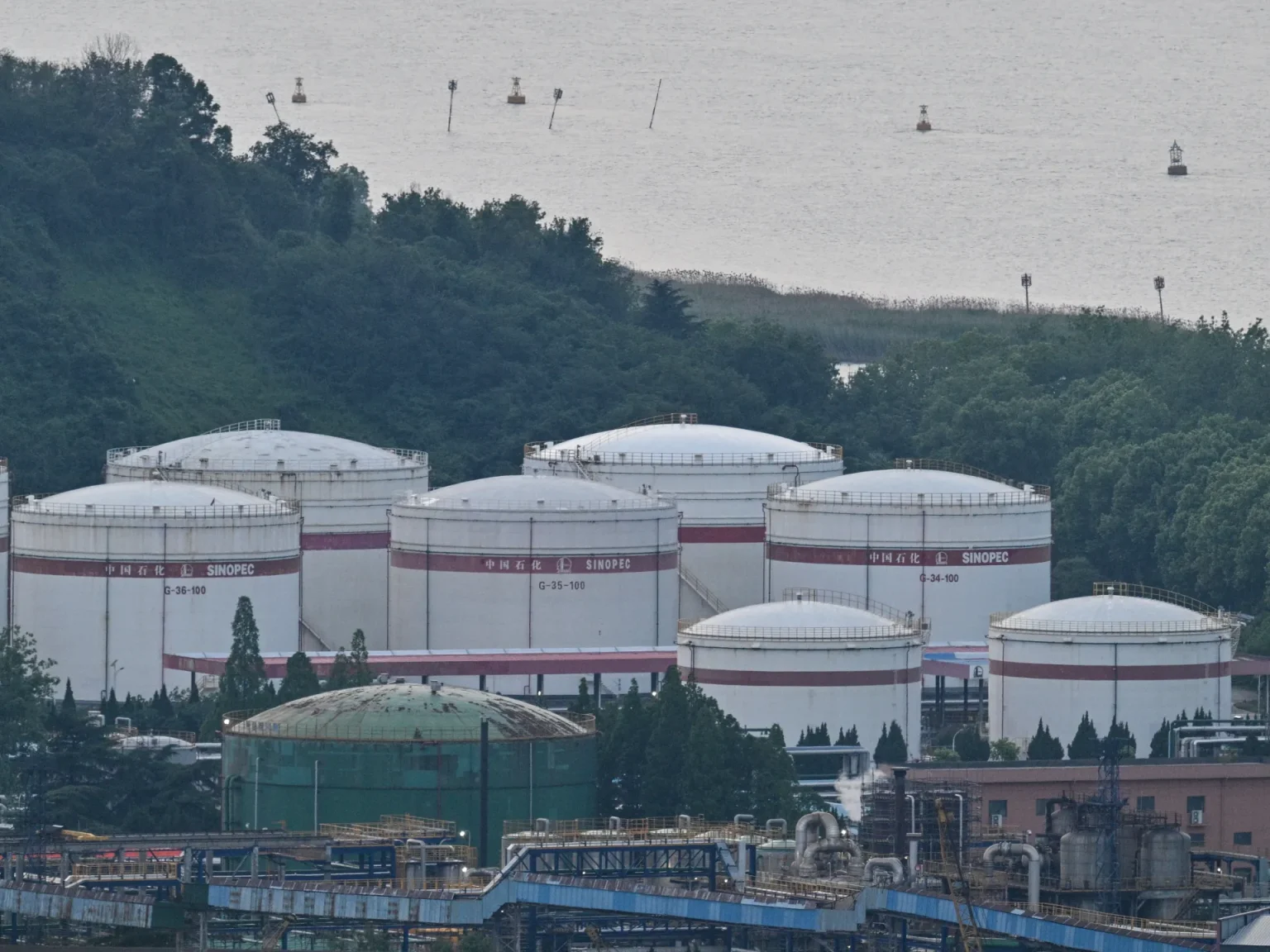

China oil imports show shift as independent refiners favor cheaper Gulf crude
China oil imports are showing a notable shift this summer as independent Chinese refiners reduce purchases of Iranian crude and increase buying of discounted Gulf barrels, according to shipping and pricing data reviewed by Reuters and market trackers. The change comes amid a sharp build-up of Iranian oil on tankers at sea and reflects Beijing’s emphasis on securing stable, diversified, low-cost supplies.
Independent refiners in Shandong and private companies such as Shenghong Petrochemical reportedly bought millions of barrels from Qatar, Iraq, the United Arab Emirates and Saudi Arabia in recent weeks, while Iranian light crude discounts narrowed, reducing its price advantage, market sources said.
Why China oil imports are diverging from Iranian flows
The move away from Iranian crude stems from a combination of factors that make Gulf supplies comparatively more attractive. Gulf barrels were offered at deeper discounts to Brent in early July, according to pricing agencies, with some UAE and Qatari grades trading $5–$8 per barrel below Brent.
Meanwhile, the reported discount on Iranian light crude hovered around $2–$3 per barrel, removing much of the cushion that previously compensated buyers for sanctions-related costs on shipping, insurance and payments, analysts said. Therefore, independent refiners evaluating total delivery costs found Gulf crude more competitive.
Independent refiners and market mechanics
Independent refineries, often called “teapots” in industry trade, are the main customers for Iranian oil. S&P Global and tanker trackers indicated independent refinery imports of Iranian crude fell sharply in June and early July compared with May, underscoring the behavioral shift among these buyers.
Additionally, Chinese banks and insurers have shown caution after US actions targeted several refineries and vessels linked to Iranian oil trade. That caution has increased transaction costs and logistical hurdles for crude tied to sanctions, making Gulf supplies easier to process through standard financial channels.
Tanker buildup highlights market mismatch
As refiners scaled back purchases, Iranian export activity picked up during a temporary thaw in tensions, leaving tens of tankers laden with Iranian crude waiting at anchorages near Southeast Asia, according to vessel-tracking firms. Many vessels sought buyers or engaged in ship-to-ship transfers near Singapore and Johor.
Analysts say the tanker queue is not merely a short-term blip but an indicator that Iran increased loadings expecting to place cargoes in Asian markets. Those cargoes faced slower demand than anticipated, producing visible stockpiles afloat and rising commercial friction over pricing and delivery timing.
Geopolitics, supply security and China’s balancing act
China’s broader ties with Iran include strategic and infrastructure dimensions, but Beijing’s principal near-term concern is energy security. Sun Yat-sen University professor Shaher Al-Shaher told regional media that China treats relationships with Iran and Gulf states as a network of balanced interests rather than a binary choice.
Beijing’s economic engagement with Gulf suppliers spans trade, investment, petrochemicals and infrastructure. Gulf producers also offer logistical advantages, such as partial routes that bypass the Strait of Hormuz via pipelines to the Red Sea and the UAE, which becomes valuable when navigation risks rise.
What this means for Iranian crude and Gulf influence
The recent shift reduces the immediate market leverage Iran enjoys from preferential pricing, although Tehran remains a key supplier to China historically. In 2025, Iran accounted for a significant portion of China’s seaborne crude imports, but overall Chinese import volumes include a heavy weighting toward Gulf suppliers.
Gulf producers can parlay discounted pricing and alternative transit options into greater commercial influence with Beijing, according to energy analysts. Nevertheless, the political dimension of China’s relationships has not shifted into an overt security alliance with Gulf states; the leverage remains mainly economic and logistical.
Market implications and near-term outlook
Refining runs in China have also edged lower, which reduced overall crude demand. Several large refineries undertook maintenance and independent refinery utilisation fell, factors that amplified the impact of price differentials on buying decisions for Iran-linked cargoes.
For Iran, the consequence is an accumulation of oil on tankers and increased urgency to find buyers or offer steeper discounts. For Gulf suppliers, the opportunity is to capture incremental market share if they can sustain attractive pricing and secure payment and insurance terms acceptable to Chinese buyers.
Conclusion: watch pricing, refinery runs and tanker movements
The evolving pattern in China oil imports shows how pricing, logistics and financial risk shape energy trade more than diplomatic alignment alone. Observers should watch crude price spreads to Brent, independent refinery utilisation in Shandong, and tanker positioning for signs of further rebalancing.
Over the next weeks, market participants will monitor whether Iranian cargoes find buyers at deeper discounts or if Gulf producers maintain their competitive edge, and whether Chinese state refiners change strategy as strategic stock levels and seasonal demand evolve.