





Muharraq city development shows 73% completion of phase one
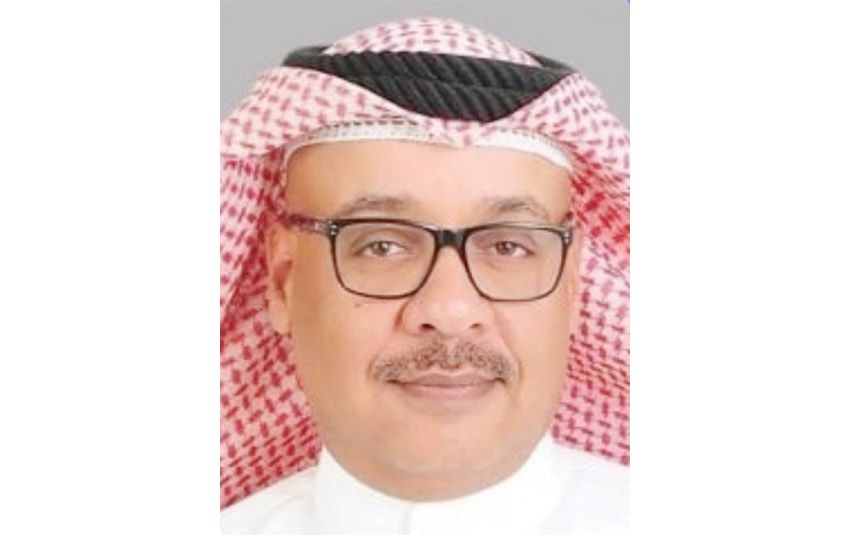
Progress on the Muharraq city development has reached a reported 73 percent for the first phase, social activist Osama Al-Shaer said, marking a significant milestone in Bahrain’s urban renewal efforts. The advance was described as translating national priorities into tangible upgrades, according to local statements, and comes amid heightened attention to preserving the island’s historic fabric while modernizing infrastructure.
Who is leading the project and what the milestone means
The project is overseen by the Ministry of Housing and Urban Planning in coordination with the Ministry of Works and the Ministry of Municipalities Affairs and Agriculture, officials said. Crown Prince Salman bin Hamad Al Khalifa has maintained close follow-up, and the ministry’s leadership has reiterated commitment to combining heritage protection with contemporary infrastructure. Therefore, the reported 73 percent completion of the first phase is being framed as both a preservation and service upgrade achievement.
Muharraq city development: scope, partners and governance
The Muharraq city development covers restoration of historic streetscapes, upgrades to municipal services, and targeted road improvements intended to enhance residents’ quality of life. The Ministry of Housing and Urban Planning, headed by Minister Amina bint Ahmed Al Rumaihi, is coordinating cross-ministerial work with the Ministry of Works and municipal authorities to ensure consistent standards. Additionally, project teams are reportedly prioritizing the conservation of architectural heritage while installing modern utilities and road networks.
Interagency coordination and quality assurance
According to officials, the approach emphasizes a single-team mindset across government bodies to translate plans into measurable results. Furthermore, project managers are applying quality and efficiency benchmarks to municipal services and road construction, aiming to minimize disruption and maintain historical authenticity in sensitive areas. The ministry stated that technical oversight and contractual controls are in place to sustain standards through subsequent phases.
Preserving heritage while pursuing urban revitalization
Stakeholders say the Muharraq city development balances conservation with new urban needs, reflecting a broader national priority to protect Bahrain’s cultural legacy. The initiative places particular weight on traditional streets, historic buildings, and community spaces that define Muharraq’s identity. Meanwhile, planners are integrating upgrades such as improved drainage, pedestrian facilities, and utility networks to make the area more resilient and accessible.
Bahrain heritage preservation is a stated objective of the program, and officials emphasize that restoration work follows internationally recognized conservation principles where applicable. Therefore, the project aims to avoid erasing character while ensuring buildings and public realms meet contemporary safety and service standards. The result is intended to support both tourism and everyday life for residents.
Impact on residents and municipal services
Residents can expect phased improvements in road quality, waste management, and public amenities as works progress to completion, municipal authorities said. Short-term traffic adjustments and temporary service interruptions have been managed as part of the implementation plan, and communications channels are reportedly open to inform affected communities. Consequently, longer-term benefits are projected to include smoother traffic flows and upgraded public spaces.
Urban revitalization measures also include targeted public realm upgrades designed to support local businesses and community activities. In addition, improvements to basic infrastructure are expected to reduce maintenance burdens and improve everyday convenience for households and commercial establishments alike.
Context and national priorities
Observers note the project’s progress aligns with broader government commitments to safeguard national identity while fostering sustainable urban growth. The reported milestone is presented in the context of this year’s cultural recognition, referred to in official communications as the “Year of Isa the Great,” which underscores attention to heritage initiatives. According to public statements, leadership oversight has reinforced momentum for projects that preserve historical value while introducing modern infrastructure.
Officials say the Muharraq city development also supports economic and social objectives by strengthening neighborhoods, improving public services, and enhancing the appeal of historic districts. Furthermore, the coordinated approach across ministries is intended to streamline delivery and ensure consistent standards across technical and heritage-related aspects.
What comes next and timeline expectations
Project managers indicate that the remaining work will focus on completing infrastructural networks, finalizing restoration phases, and rolling out supplementary municipal services. The ministry has not published a detailed timeline for full completion but has suggested that continued oversight and cross-agency coordination will drive steady progress. Therefore, stakeholders and residents should watch for official progress updates and public notices about upcoming phases.
In the immediate term, authorities are expected to prioritize finalizing quality checks on completed segments and preparing adjacent areas for subsequent work. Meanwhile, community engagement initiatives may be expanded to gather feedback and ensure that restoration outcomes meet local needs.
Conclusion: monitoring progress and next steps
The recent report that phase one of the Muharraq city development has reached 73 percent completion represents a notable step in a program that seeks to blend historical conservation with modern urban upgrades. Going forward, observers should look for official progress reports, timelines for subsequent phases, and details on how heritage preservation will be balanced with infrastructure rollouts. Ultimately, sustained coordination among ministries and continued public communication will be key to realizing the project’s stated benefits for residents and visitors.