






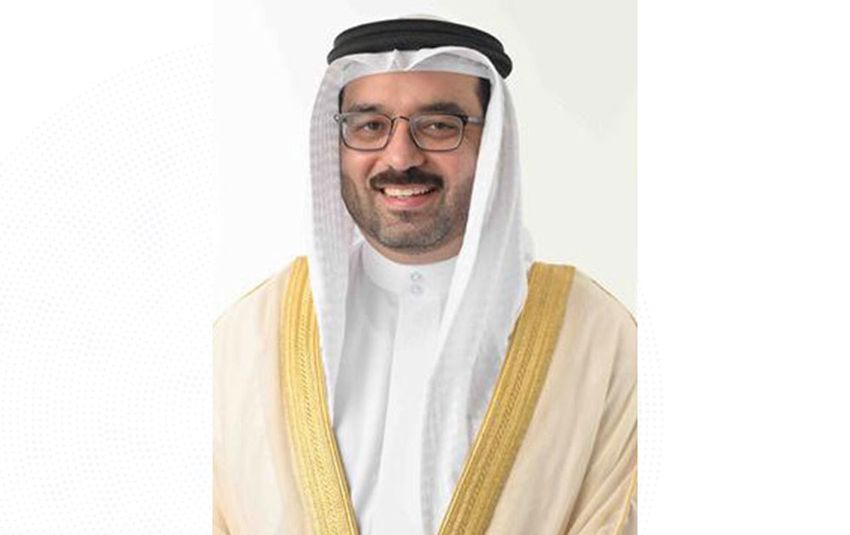

Ashura season Bahrain: lawmaker praises successful observances
Ahmed Sabbah Al-Salloum, chairman of the Financial and Economic Affairs Committee of Bahrain’s Council of Representatives, said the Ashura season Bahrain this year was carried out with high organization and safety in the Kingdom. The lawmaker attributed the success to the royal patronage of His Majesty King Hamad bin Isa Al Khalifa and to close coordination among security agencies, religious administrators and community volunteers.
Who organized the events and how they were managed
The Ministry of Interior, led by First Lieutenant General Sheikh Rashid bin Abdullah Al Khalifa, took the lead in providing security, traffic management and logistical support for the commemorations, officials said. Meanwhile, the General Administration of Jaafari Affairs coordinated with mourning halls, processions and community hosts to ensure permits, routes and safety requirements were met.
Furthermore, volunteers, youth groups and matam staff contributed to crowd guidance, first-aid assistance and sanitation services, reflecting a broad community partnership. According to Ahmed Sabbah Al-Salloum, that partnership was instrumental to maintaining order and preserving the religious dignity of the events.
Context: religious freedoms and public safety in Bahrain
Bahrain’s leaders and institutions framed the season as an example of the country’s commitment to religious freedoms and to the lawful practice of rites. The combination of regulatory oversight and community cooperation aimed to balance the right to worship with obligations for public safety and traffic flow, officials said.
In this context, the ministry’s field operations and the administrative support from Jaafari Affairs sought to reduce risks without restricting participation. Therefore, public authorities emphasized clear guidance, permit pathways and real-time coordination so processions could proceed with minimal disruption to residents and commuters.
Operational highlights credited with the season’s success
Authorities highlighted several operational measures that contributed to the smooth conduct of the commemorations. These included designated procession routes, temporary traffic diversions, emergency response posts and liaison teams embedded with major gatherings. In addition, communication campaigns informed participants of safety protocols and legal requirements.
Community adherence to those measures, along with responsible conduct by organizers, was repeatedly cited by the lawmaker as a key factor. The Administration of Jaafari Affairs and local organizers reportedly ensured that facilities and crowd control arrangements met agreed standards, enabling events to be held respectfully and safely.
Social implications and the role of community partnership
Ahmed Sabbah Al-Salloum emphasized that the season demonstrated Bahrain’s model of coexistence and social cohesion. He noted that the orderly conduct of religious observances reinforced the image of a society that protects religious freedoms while maintaining civil order and the rule of law.
Moreover, the visible role of volunteers and youth in service and logistics underlined a culture of solidarity. Their contributions were described as reflecting values of mutual support and civic responsibility that helped limit incidents and allowed emergency services to focus on critical needs.
Secondary keywords and broader messaging
Related themes such as religious freedoms, Ministry of Interior coordination and public safety were woven through official statements and community feedback. These elements were used to underscore Bahrain’s approach to managing large-scale religious events with an emphasis on safety, respect for tradition and institutional oversight.
What officials say about lessons learned and next steps
Officials indicated that follow-up reviews and debriefs are standard after major events, and statements suggest that authorities will analyze operations to identify improvements. This review process is expected to involve security, health and religious administration representatives and community stakeholders to refine guidance for future observances.
Additionally, the collaborative model used during the Ashura season Bahrain may inform planning for other national and religious occasions, the lawmaker said, as authorities evaluate traffic management strategies, emergency readiness and volunteer coordination for scalability.
Implications for Bahrain’s international image and domestic policy
The orderly conduct of the season was presented as evidence of Bahrain’s capacity to host major religious gatherings while upholding civic order. Observers note that such outcomes can support Bahrain’s broader messaging on tolerance and stability, which in turn affects tourism, investment confidence and regional diplomatic narratives.
Domestically, the season reinforced calls for continued investment in emergency services, public communication systems and volunteer training. Authorities and community leaders are expected to coordinate on measures that strengthen both religious freedoms and the mechanisms that protect public safety.
Conclusion: what to watch next
The successful Ashura season Bahrain showcased a coordinated approach involving the monarchy, security services, religious administrators and volunteer networks. Readers should watch for formal after-action summaries from the Ministry of Interior and the General Administration of Jaafari Affairs, which are likely to outline operational adjustments and recommendations.
In the weeks and months ahead, attention will focus on how those recommendations are implemented ahead of other major observances, and whether the cooperative model demonstrated this season becomes a structured template for future events. This follow-up will indicate how Bahrain balances religious freedoms with the ongoing requirements of public safety and civic order.