







Bahrain Ashura season receives royal patronage and national coordination
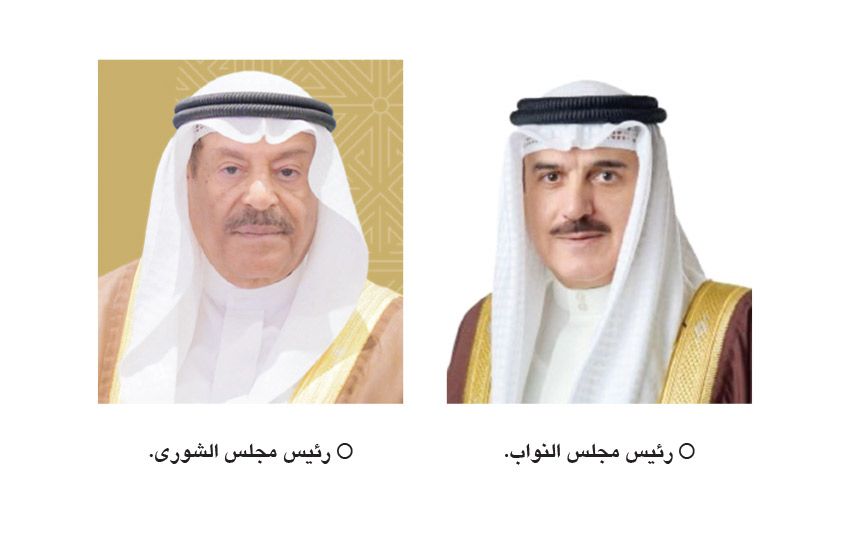
The Bahrain Ashura season opened this year under explicit royal patronage, government coordination and heightened public participation, according to official statements. Ahmed bin Salman Al-Musallam, speaker of the Council of Representatives, and Ali bin Saleh Al Saleh, chairman of the Shura Council, credited the King’s support and the Crown Prince’s directives for enabling a well-organized religious observance across the kingdom.
Local authorities said the season unfolded across urban and provincial centers with concerted planning by security, municipal and religious agencies. The Bahrain Ashura season served as both a religious commemoration and a national expression of unity, officials added.
Royal patronage underpins successful public observance
Senior parliamentary figures emphasized that the King’s continued sponsorship of ceremonial seasons signals an institutional commitment to religious freedoms. Ahmed bin Salman Al-Musallam noted that royal patronage reinforces a policy of coexistence and the right to practise religious rites within the framework of law and civic order.
Additionally, statements from the Shura Council highlighted that royal attention constitutes a practical safeguard ensuring that public ceremonies proceed safely and respectfully. Therefore, the combination of ceremonial support and regulatory oversight was portrayed as central to the season’s success.
Security, logistics and coordinated government response
Authorities reported a comprehensive field operation led by the Ministry of Interior, which coordinated traffic management, crowd control and emergency response. The ministry’s leadership, under Minister Rashid bin Abdullah Al Khalifa, was credited with mobilizing police, traffic units and support services to manage large gatherings.
Meanwhile, public security measures included designated routes for processions, temporary traffic restrictions and on-site medical and safety teams. Officials said these measures aimed to protect participants while preserving the dignity of the rituals.
Operational highlights and interagency work
Government sources pointed to close collaboration among the Ministry of Interior, the Awqaf authority, the Jaafari affairs administration and municipal services. This interagency approach, they said, enabled rapid problem-solving on the ground and consistent communication with religious institutions.
Community compliance and the role of religious institutions
Organizers and community leaders played a notable role in complying with legal conditions and public-safety protocols, according to parliamentary remarks. Matams, husayniyas and procession organizers reportedly adhered to guidelines issued by competent authorities, reflecting what officials described as a mature civic responsibility.
Such compliance, observers said, reinforced the idea that religious practice in Bahrain operates within a framework of national responsibility and respect for public order. Therefore, the season became an example of how tradition and regulation can be balanced peacefully.
Social cohesion and national messaging during Ashura
Speakers in both parliamentary chambers framed the season as a display of national solidarity that counters divisive narratives. Ahmed bin Salman Al-Musallam and Ali bin Saleh Al Saleh noted that the scenes of unity and respectful observance underscored loyalty to the country and to the leadership’s reform agenda.
Furthermore, official commentary suggested that the Bahrain Ashura season functioned as a platform for reinforcing the national discourse of inclusion, where citizens of varied backgrounds converge in civic respect. This narrative aligns with long-standing state messaging on tolerance and coexistence.
Regional implications and Bahrain’s model of coexistence
Officials presented Bahrain’s management of the season as a regional example of organizing large religious events while maintaining safety and freedom of worship. The combined emphasis on religious freedoms, royal patronage and public security was presented as illustrative of the kingdom’s broader policy toward pluralism.
Analysts note that accessible and orderly observance of major rituals can strengthen domestic stability and project a consistent governance model beyond borders. Therefore, the season’s perceived success may inform future planning for public events in the region.
Looking ahead: what to watch next
As authorities assess outcomes, the next expected steps include formal after-action reviews by the ministries involved and continued dialogue with religious institutions. Officials indicated that lessons learned will inform protocols for upcoming commemorations and national events.
Furthermore, observers will watch for any announced adjustments to crowd-management procedures, public-safety resource allocations and community outreach efforts ahead of future seasons. These follow-up measures aim to preserve the balance between religious freedoms and public order.
In conclusion, the Bahrain Ashura season was framed by leaders as an instance of successful royal patronage, coordinated governance and community responsibility. Moving forward, stakeholders said they will continue refining operational practices to sustain safe, dignified and inclusive religious observance across the kingdom.