





Israeli incursions in Daraa and Quneitra prompt regional condemnation
On June 29, 2026, Qatar, Jordan and Saudi Arabia issued separate statements condemning the latest Israeli incursions in Daraa and Quneitra in southern Syria, calling for an immediate halt to the operations and urging international intervention. The foreign ministries of the three countries described the moves as violations of Syrian sovereignty and warned they risk further destabilising the region.
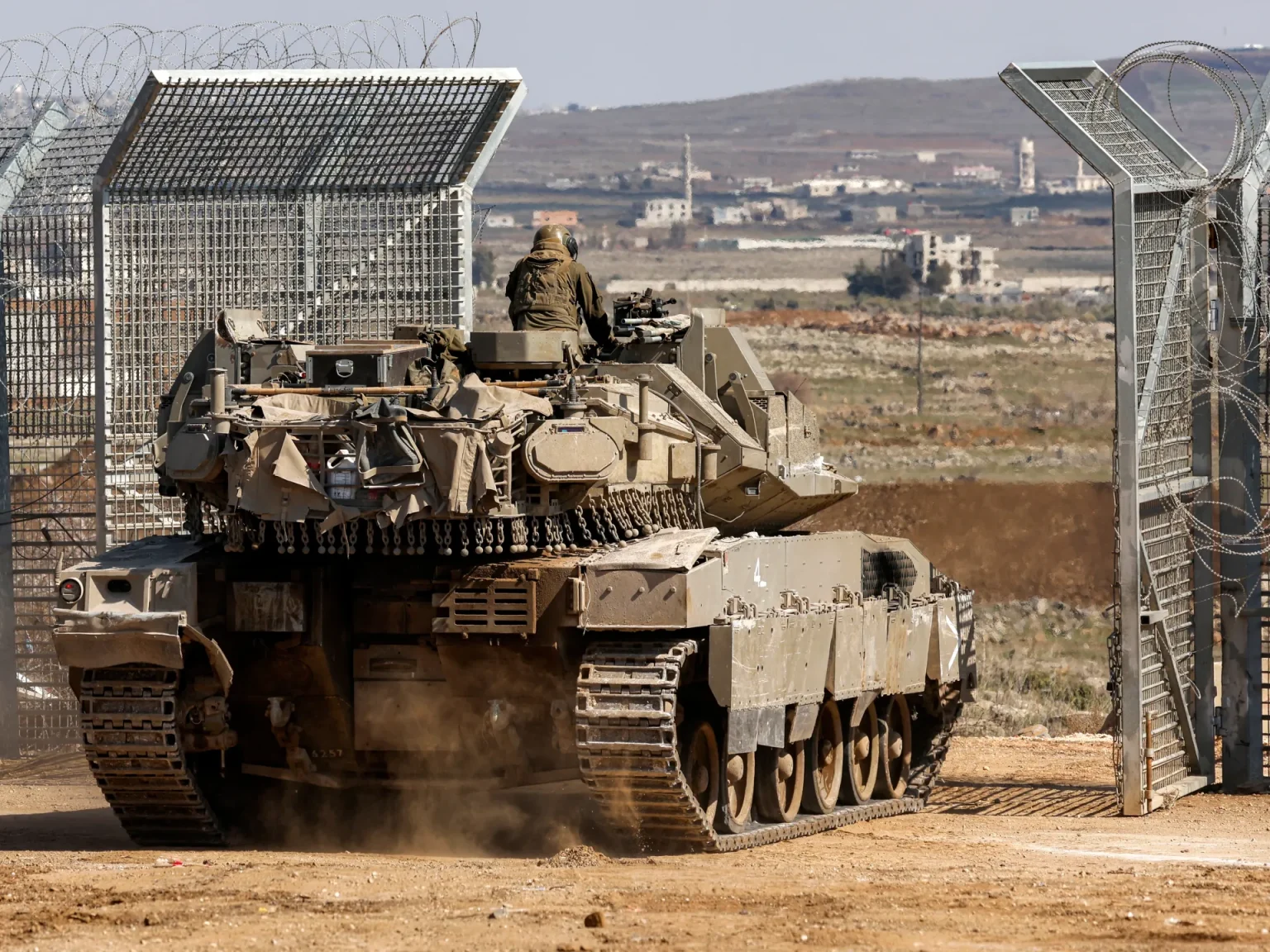
According to the statements, artillery fire and ground movements by Israeli forces struck areas in the border provinces of Daraa and Quneitra, causing civilian alarm and local displacement. The developments follow a pattern of cross-border activity that regional capitals say requires a unified diplomatic response.
Regional responses from Qatar, Jordan and Saudi Arabia
Qatar’s foreign ministry condemned the attacks as a flagrant breach of international law and humanitarian norms, saying continued operations will escalate tensions and undermine efforts to stabilise southern Syria. The Qatari statement called on the international community to hold Israel accountable and to pressure it to comply with legal obligations.
Jordan’s foreign ministry also expressed strong condemnation of the incursions, noting that the shelling and patrols jeopardise civilian safety near the border. Jordan highlighted concerns about the potential for further displacement and cross-border spillover and repeated its call for respect for Syria’s territorial integrity.
Saudi Arabia issued a similar rebuke, describing the ongoing violations as unacceptable and stressing the need to protect civilians and uphold international law. The Saudi statement urged restraint and immediate measures to prevent wider confrontation in the Levant.
Ground developments and civilian impact in southern Syria
Local reporting and correspondents in the area said Israeli artillery struck the village of Abdeen in western Daraa after mechanised units reportedly advanced into positions near the Yarmouk basin. Residents evacuated temporarily after the incidents and many were reported returning once forces withdrew from nearby elevations later the same day.
Al Jazeera reporters in the region described tense scenes at checkpoints and roads that were briefly closed by residents. Meanwhile, small clashes and stone-throwing incidents between locals and the transiting forces were reported as villagers sought to block access to certain routes used by the advancing units.
Humanitarian groups and regional monitors say repeated incursions, raids and checkpoints previously documented in Daraa and Quneitra have contributed to growing insecurity for farmers, children and families living close to the ceasefire line. Furthermore, restrictions on movement and the threat of sudden strikes have hindered agricultural activity and access to basic services.
Legal and strategic implications of the incursions
Analysts say the Israeli incursions in Daraa and Quneitra raise complex legal and strategic questions. After the fall of the Bashar al-Assad government in December 2024, Israel declared the 1974 separation-of-forces mechanism effectively void and has since asserted greater control over the former buffer zone.
The three Gulf and Levant states framed the actions as violations of Syrian sovereignty and international humanitarian law, urging multilateral bodies to respond. International law experts note that cross-border strikes and ground incursions can trigger obligations for states and international organisations to act to prevent escalation and protect civilians.
There was no immediate public response from Israeli authorities to the latest statements from Qatar, Jordan and Saudi Arabia. Western capitals and United Nations offices have in recent months called for de-escalation while also warning that unchecked operations could produce wider regional consequences.
Context: recent pattern of cross-border activity
Incidents in Daraa and Quneitra are part of a broader pattern of Israeli military activity inside Syria that has intensified over the past year, according to regional reporting. These operations have included night raids, searches of homes, temporary detentions, and the setting up of hastily constructed checkpoints in several border communities.
Officials and monitors say such operations are often justified by Israel on security grounds, but neighbouring states contend they amount to repeated breaches of sovereignty. The attacks cited by the Gulf states involved both artillery strikes and temporary incursions by ground units, and they come amid heightened tensions across multiple front lines in the wider Levant.
What to watch next: diplomacy and local stability
Diplomatic sources say the next steps will likely include efforts by Arab League members and concerned states to raise the issue at the United Nations and other forums. Observers will also monitor whether the international community responds with formal condemnations, calls for investigations, or steps to increase pressure on parties to respect borders and protect civilians.
On the ground, residents of Daraa and Quneitra will be watching for changes in patrol patterns, the reopening of roads, and restoration of normal agricultural cycles. Humanitarian agencies are expected to continue documenting displacement and access issues, urging increased protection for vulnerable populations close to the ceasefire line.
Conclusion: potential flashpoint and diplomatic pressure ahead
The reported Israeli incursions in Daraa and Quneitra have prompted a coordinated diplomatic response from Qatar, Jordan and Saudi Arabia and have highlighted broader concerns about sovereignty and civilian safety in southern Syria. The coming days are likely to show whether these protests produce international measures to curb further operations or whether the pattern of periodic strikes and incursions will persist.
Readers should watch for formal actions at the United Nations, any statements from European and U.S. capitals, and local reports from humanitarian organisations as indicators of whether escalation will be checked or whether the border area will remain a continuing flashpoint.