







Islamic finance AI: Conference conclusions
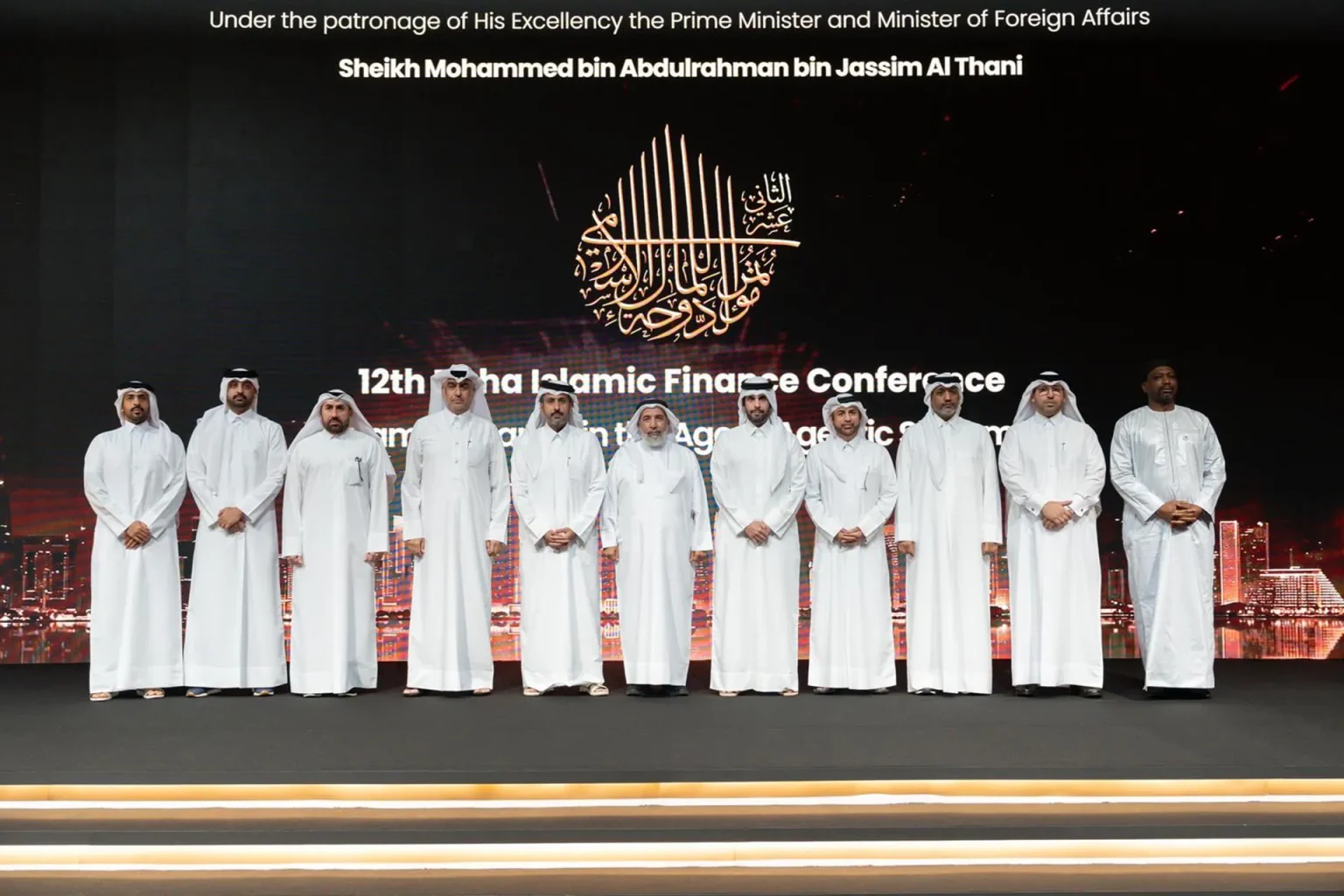
The 12th Doha Islamic Finance Conference concluded in Doha on June 16, 2026, with leading scholars, regulators and industry officials characterizing autonomous agent systems as forms of agency contracts under Islamic law. Islamic finance AI featured prominently in the event’s recommendations, which called for differentiated legal rulings depending on the system’s design, use case and governance arrangements.
The conference, organized by Beit Al-Mashura Consulting in strategic partnership with Dukhan Bank and held under the patronage of Sheikh Mohammed bin Abdulrahman Al Thani, urged a rapid digital shift in sukuk markets and other Islamic finance instruments. Delegates recommended adopting smart sukuk, blockchain ledgers and explainable AI tools while keeping human oversight and compliance with Sharia governance.
Regulatory frameworks and governance for Islamic finance AI
Participants emphasized the need for unified, standards-based frameworks that reconcile decision autonomy with continuous Sharia compliance. Therefore, the conference recommended that regulators, Sharia boards and AI researchers collaborate to draft governance, auditing and explainability standards that are interoperable across jurisdictions.
Officials said these frameworks should require transparent decision trails, audit logs and demonstrable controls to preserve accountability. Additionally, they recommended certification mechanisms and model contracts so that platforms implementing Islamic finance AI can be assessed against common benchmarks for permissibility and operational risk.
Smart sukuk, blockchain and market transformation
Delegates argued that smart sukuk and blockchain could lower issuance costs, speed settlement and broaden investor access, especially in secondary markets. Meanwhile, proponents noted that programmable instruments executed via smart contracts can embed key Sharia conditions but must be carefully designed so their legal effects do not undermine contractual intent.
According to conference papers, integrating smart sukuk with immutable ledgers and explainable AI could improve transparency in asset-backed financing. However, scholars cautioned that technological certainty does not eliminate the need for human adjudication when novel scenarios arise or when algorithmic outputs conflict with Sharia principles.
Waqf and endowment modernization with supervised smart agents
Conference recommendations extended to waqf governance, where speakers proposed supervised smart agents to manage endowment assets and enforce donor stipulations. The suggested model pairs explainable AI decision engines with blockchain records to protect endowment integrity and enhance donor confidence.
Organizers said any algorithmic interpretation of donor conditions must be encoded as immutable governance rules while preserving the role of a human trustee as the ultimate legal and Sharia authority. This hybrid approach aims to balance operational efficiency with established waqf accountability and to guard against cyber and algorithmic risks.
Legal characterisation and Sharia reasoning
Religious scholars at the conference concluded that agent systems can generally be treated as agency (wakala) contracts, but no single jurisprudential classification fits all implementations. Therefore, legal rulings should vary according to factors such as the agent’s autonomy level, the reversibility of decisions, and the technical platform used for execution.
Experts noted that smart contracts may meet the pillars of a valid contract when they clearly express offer, acceptance and consideration, and when parties retain capacity and intent. Yet they also stressed that the presence of immutable code does not automatically resolve disputes, so dispute-resolution clauses and human oversight remain essential.
Implications for banks, regulators and investors
Banks and fintech firms will need to update compliance frameworks to account for algorithmic decision-making and new contract forms. Consequently, risk management must cover model risk, explainability, data integrity and cyber-resilience. Regulators should adapt licensing and supervisory tools to evaluate both the technology and the underlying Sharia advisory processes.
Investors are likely to see benefits from widened market access and lower transaction costs, but they must also weigh operational and legal uncertainties. Therefore, conference delegates encouraged pilot programs and staged rollouts, accompanied by independent Sharia audits and regulatory sandboxes to validate outcomes before broad adoption.
Standards development and international coordination
The conference called on international standard-setting bodies and regional Sharia councils to harmonize guidance so that market participants face predictable rules across borders. Furthermore, experts recommended forming working groups to develop technical specifications for explainable AI, contract templates for agent-based transactions, and audit protocols compatible with both Sharia requirements and conventional regulatory expectations.
According to organizers, these efforts should aim to produce draft standards within months and operational guidance within a year, subject to stakeholder consultation and pilot results.
Next steps and what to watch
Organizers announced the launch of a new Doha Islamic Finance Conference prize to recognize innovation in Islamic economics and technology, which could help highlight best practices and successful pilots. Meanwhile, stakeholders should watch for follow-up working groups, regulatory guidance from central banks and Sharia councils, and early smart sukuk issuances tied to blockchain pilots.
Overall, the conference signaled a pragmatic approach: harness the efficiency gains of technology while preserving Sharia-compliant oversight. Therefore, the next 6 to 12 months will be critical as regulators, scholars and industry players translate high-level recommendations into practical rules, pilot projects and legal opinions that shape the future of Islamic finance AI.