




G7 summit 2026 backs US‑Iran agreement and emergency energy plans
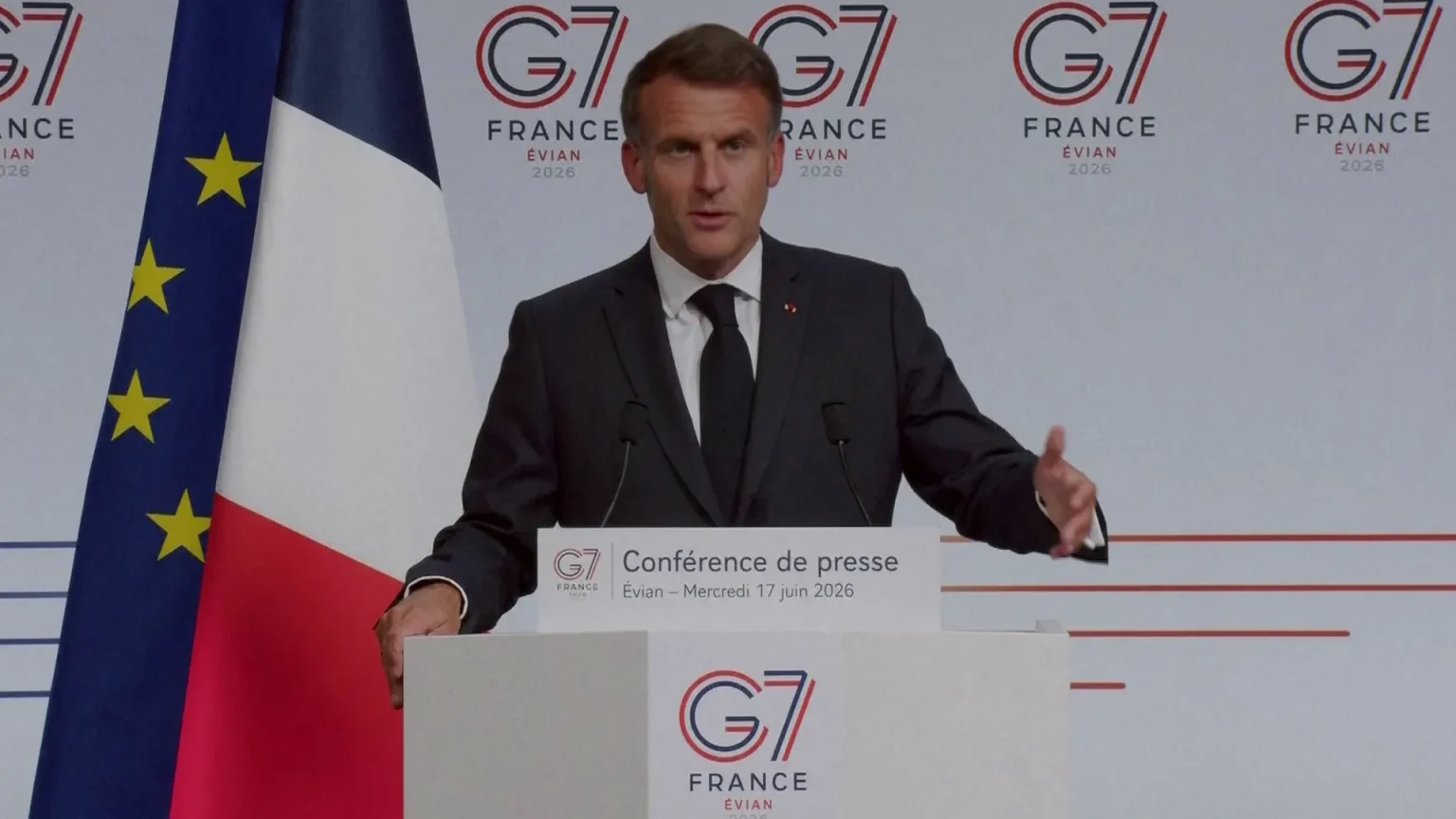
The G7 summit 2026 concluded in Evian, France, on June 17 with leaders agreeing to back the recent US‑Iran agreement and to finance alternative energy routes that bypass the Strait of Hormuz, French President Emmanuel Macron said. The gathering also committed to speeding humanitarian assistance to Gaza and urging an end to violence in the West Bank and Lebanon, according to summit statements.
Held over three days at the Evian summit venue, the meeting brought together G7 leaders alongside partner countries including Qatar, Egypt, the United Arab Emirates, Brazil and India. Officials said discussions were intense but produced nine unanimous declarations covering security, humanitarian aid and global health.
Main decisions at the Evian summit and implications for regional security
Delegates at the Evian summit emphasized support for what Macron described as a “very good” US‑Iran agreement, which leaders said could reduce regional instability if implemented. The agreement’s endorsement by G7 members aims to reinforce diplomatic momentum and create incentives for compliance, officials said.
In practical terms, the summit endorsed funding for alternative pipelines, terminals and shipping corridors to reduce the strategic pressures on vessels transiting the Strait of Hormuz. France, the United Kingdom and about 20 other countries signaled readiness to assist with maritime security and ship protection if requested, according to official remarks.
Therefore, the immediate implication is a two‑track response: sustain diplomatic backing for the US‑Iran agreement while building redundancy in global energy logistics to protect markets from disruption. Analysts say the strategy is designed to limit price shocks and give consuming nations options if tensions rise again.
Gaza aid, Lebanon ceasefire and steps on the West Bank
Leaders at the G7 summit 2026 underlined an urgent need to accelerate humanitarian access to Gaza and to scale up reconstruction financing once a stable ceasefire is in place, Macron said. The group urged international partners to coordinate aid corridors to ensure supplies reach civilians promptly and safely.
Additionally, the summit called for a firm and durable ceasefire in Lebanon and reaffirmed respect for Lebanese sovereignty. Delegates urged an immediate end to hostilities in the West Bank and stressed the need for measures to protect civilians, according to post‑summit remarks.
Humanitarian agencies welcomed pledges to boost delivery, but cautioned that access, security guarantees and funding disbursement mechanisms must be agreed quickly. Ministers were instructed to follow up with partner governments and regional actors to operationalize the commitments.
Continuing support for Ukraine and defense industry coordination
On Ukraine, G7 leaders discussed the front‑line situation with President Volodymyr Zelenskyy and pledged continued financial and military support. The summit agreed to supply Ukraine with additional air‑defense systems, long‑range capabilities and materials to repair energy and cultural infrastructure damaged by the conflict, officials said.
Leaders also agreed to expedite licensing that would allow Ukraine to produce some weapons domestically, reducing lead times and logistical bottlenecks. The United States signaled that it expects industry partners to scale up production, and other members agreed to help with training and supply chains.
Meanwhile, the G7 repeated its commitment to maintain sanctions pressure on Moscow and to coordinate responses to shifts in global oil and gas markets. Observers note the statements reflect a move toward clearer, more unified G7 conclusions on Ukraine than in some past meetings.
Other unanimous communiqués and global priorities
The summit adopted nine unanimous declarations addressing a broad agenda beyond immediate crises. These included commitments to strengthen global health responses to Ebola, expand international cancer cooperation, secure critical mineral supply chains, and combat human trafficking and drug smuggling.
Delegates also prioritized digital safety for young people and measures to support sustainable, equitable economic growth. Officials said these declarations aim to build resilience against future shocks and to align G7 policies with partner nations’ development needs.
Forum expansion and partner engagement
France used the Evian summit to pursue a broader G7 outreach, inviting leaders from Brazil and India among others. The participation of the leaders of Qatar, Egypt and the UAE was cited as particularly important for talks on the Middle East and humanitarian access to Gaza, according to summit sources.
Observers say the outreach reflects an effort to blend the compact G7 format with a wider network of influential partners to address regional crises and global supply issues more effectively.
What leaders said and how commitments will be implemented
French President Emmanuel Macron framed the outcomes as pragmatic and consensus‑driven, noting the meeting took place amid differing views but produced constructive debate. Officials stressed that many measures announced will require follow‑up at the ministerial level and detailed implementation plans.
For example, financing alternative energy corridors and maritime protection will involve bilateral and multilateral agreements on funding, legal authorities for naval escorts and coordination between commercial and military actors. Likewise, accelerating Gaza aid will depend on secure land and sea routes and the cooperation of local and regional partners.
Looking ahead: next steps and what to watch
In the coming weeks, ministries of foreign affairs and defense in G7 capitals are expected to draft operational plans and share timelines for action. Watch for announcements on funding packages for energy infrastructure, concrete maritime security arrangements in the Strait of Hormuz and detailed aid corridors for Gaza.
Also follow updates on arms licensing for Ukraine and the rollout of additional air‑defense systems. Officials said follow‑up meetings and working groups will be scheduled to translate the Evian summit’s declarations into executable policies.
Overall, the G7 summit 2026 sought to balance immediate crisis responses with longer‑term resilience measures. How quickly partner governments agree on implementation and how regional actors respond will determine whether the summit’s consensus yields durable stability and humanitarian relief.