






Oman-Iran diplomatic meeting in Muscat underscores push for de-escalation
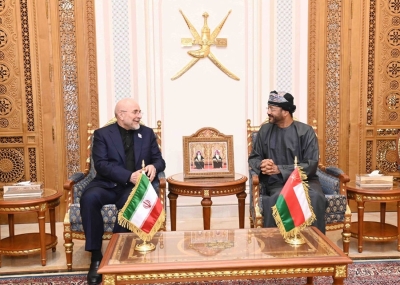
Oman’s Foreign Minister Badr bin Hamad Al Busaidi received Mohammad Bagher Ghalibaf, Speaker of the Islamic Consultative Assembly of Iran, in Muscat on Monday evening, officials said. The delegation arrived as part of an official visit during which Iran’s Deputy Foreign Minister for Political Affairs, Seyed Abbas Araqchi, accompanied the speaker to discuss bilateral cooperation and regional developments.
The Oman-Iran diplomatic meeting focused on strengthening ties, promoting good-neighborly relations and exploring ways to support de-escalation in the region, according to an Omani statement. The talks also addressed maritime security in the Strait of Hormuz and other international waterways, officials added.
Details of the talks and key participants
During the meeting, both sides reviewed avenues to enhance cooperation across political and economic areas, exchanging views on contemporary regional issues, the ministry stated. The Omani delegation included the roving ambassador Sheikh Abdul Aziz bin Abdullah Al Hinai, while Iranian attendees comprised Ali Bagheri, assistant for international affairs at Iran’s Supreme National Security Council, and other senior officials.
Oman emphasized the significance of using the current diplomatic moment to back peace efforts and to advance initiatives that promote calm and stability. Meanwhile, Iranian officials reaffirmed their interest in constructive dialogue, sources close to the visit said. The discussions were described as pragmatic and forward-looking, with attention to fostering mutual interests.
Main keyword: Oman-Iran diplomatic meeting and regional security
The Oman-Iran diplomatic meeting placed a particular emphasis on reducing regional tensions and safeguarding maritime routes. Oman has repeatedly positioned itself as a neutral interlocutor in Gulf affairs, and this visit underscores Muscat’s role in facilitating communication between Tehran and other regional capitals, analysts noted.
Officials on both sides stressed adherence to international law and principles of good neighborliness as foundational to any de-escalation process. Therefore, the meeting touched on measures to preserve the safety of navigation in the Strait of Hormuz, a strategic chokepoint for global energy supplies, and the broader objective of maintaining Gulf security.
Context: historical ties and recent diplomatic momentum
Oman and Iran share long-standing commercial and cultural links, with Muscat often serving as a diplomatic channel during regional crises. In recent years, Omani diplomacy has been visible in efforts to mediate regional disputes and to encourage direct communication between adversarial parties, according to regional experts.
Ghalibaf’s visit to Oman comes amid heightened international concern about tensions in the Gulf and sporadic incidents affecting maritime security. Consequently, the bilateral meeting is part of a pattern of high-level contacts intended to build confidence and prevent miscalculation, officials and analysts suggested.
What the visit signals
The presence of Iran’s legislative speaker and a senior foreign affairs official signals Tehran’s intent to engage with Gulf neighbors at multiple levels, observers said. Furthermore, the discussions reflect a shared interest in preventing escalation and ensuring that diplomatic channels remain open, particularly on matters affecting trade and navigation through the Strait of Hormuz.
Implications for Gulf diplomacy and security
By prioritizing dialogue, Oman aims to contribute to regional stability without aligning narrowly with any single external power, Omani diplomatic practice indicates. The meeting with Ghalibaf and accompanying Iranian officials may open avenues for follow-up contacts with other Gulf states, potentially lowering tensions through incremental confidence-building steps.
Secondary keywords such as Ghalibaf visit and Badr Al Busaidi are relevant to observers tracking shifts in Gulf diplomacy. Analysts note that even limited agreements on maritime safety protocols or communication channels for crisis management can reduce the risk of incidents that threaten commercial shipping and energy flows.
What to watch next
Officials did not announce specific agreements at the conclusion of the meeting, and statements focused on mutual intent rather than binding commitments. Therefore, the next steps to monitor include potential follow-up diplomatic exchanges, working-level meetings on maritime security, and any coordinated statements from Gulf Cooperation Council members or regional security bodies.
Observers will also watch whether this diplomatic engagement leads to practical measures—such as shared protocols for incident reporting at sea or expanded economic ties—that can be implemented in the near term. Any such steps would serve as indicators of whether the momentum from the Oman-Iran diplomatic meeting translates into tangible progress.
Conclusion: cautious optimism and pragmatic diplomacy
The meeting in Muscat between Badr Al Busaidi and Mohammad Bagher Ghalibaf highlights Oman’s continued role as a diplomatic interlocutor in the Gulf and reflects Tehran’s willingness to engage with neighbors. While the outcome emphasized intent rather than concrete accords, officials from both countries pointed to the importance of international law, good neighborliness and protecting maritime routes.
Looking ahead, stakeholders should watch for subsequent visits, technical talks on maritime safety, and any regional coordinated initiatives that build on this engagement. If implemented, such measures could contribute to reduced tensions and improved Gulf security in the coming months, officials and regional analysts said.