






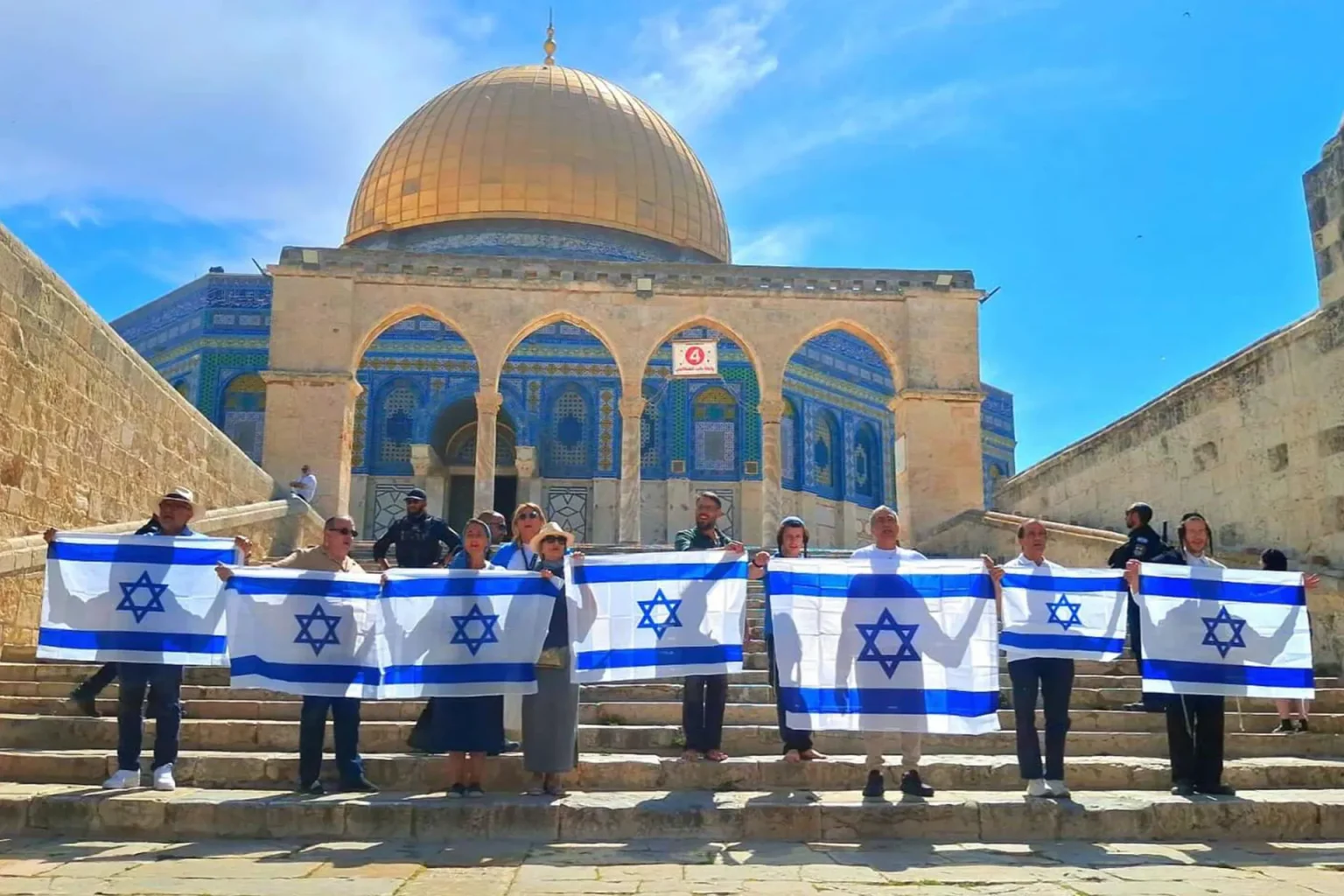

Al-Aqsa Mosque incursions condemned by eight foreign ministers
Foreign ministers from eight Arab and Muslim-majority countries issued a joint statement on February 6, 2026, strongly condemning ongoing settler incursions into the Al-Aqsa Mosque compound in occupied East Jerusalem. The ministers said the incursions occurred under the protection of Israeli forces and included the raising of an Israeli flag inside the compound’s courtyards.
The statement named Qatar, Saudi Arabia, Jordan, the United Arab Emirates, Indonesia, Pakistan, Egypt and Turkey as signatories and called the events a clear violation of international law and United Nations resolutions governing the status of Jerusalem’s holy sites.
Legal and diplomatic implications for the status quo in Jerusalem
The ministers accused Israeli authorities of systematic and unlawful actions intended to alter the historical, legal and demographic character of East Jerusalem. According to the joint statement, these measures undermine the internationally recognized status quo that governs access and management of the city’s holy places.
Meanwhile, the statement reaffirmed the special custodial role historically attributed to Jordan’s Jerusalem Waqf, identifying the Jordanian Department of Awqaf and Islamic Affairs as the body with exclusive authority to manage access to the Al-Aqsa Mosque compound. The ministers urged Israel to halt all practices that could be interpreted as attempts to change the legal or religious standing of the site.
Regional response and calls for international action
The joint communiqué held Israeli officials directly responsible for stopping provocative acts and warned that repeated violations would escalate tensions and jeopardize regional stability. It urged immediate cessation of what it described as unlawful and provocative measures and called on the international community to take coordinated steps in response.
Foreign ministry officials emphasized the need for adherence to international law and relevant United Nations resolutions. Furthermore, the ministers underscored support for efforts to pursue a two-state solution, noting that any unilateral changes to Jerusalem’s facts on the ground would complicate prospects for renewed negotiations.
Reports indicate rising violations and demographic pressures in East Jerusalem
An official report released on the same day indicated an uptick in rights violations across Jerusalem, including increased settler incursions, demolitions, arrests, and measures such as home detention and forced removals aimed at changing the area’s demographic composition. The document highlights repeated incidents focused on the Al-Aqsa Mosque complex and surrounding neighborhoods.
Human rights monitors and municipal records cited in the report suggest that these practices form part of a broader pattern of pressure on Palestinian residents and institutions in East Jerusalem. Therefore, analysts warn that such trends risk further deepening divisions and could trigger renewed cycles of unrest.
Why the Al-Aqsa Mosque issue remains central to peace efforts
The Al-Aqsa Mosque compound is a highly sensitive religious and political focal point for Muslims, Jews and Christians, and any perceived changes to its administration or access can have wide-reaching consequences. Because of its symbolic and legal importance, incidents there often reverberate far beyond the city limits and shape international diplomatic responses.
Furthermore, the ministers’ statement linked the protection of holy sites to broader Palestinian rights, reaffirming support for the Palestinians’ right to self-determination, including the goal of an independent Palestinian state with East Jerusalem as its capital. Such linkage reflects long-standing regional consensus that the status of Jerusalem must be resolved through dialogue and in line with international law.
Possible next steps and what to watch
Diplomatic observers say follow-up could include formal complaints lodged with the United Nations, calls for Security Council briefings, and coordinated statements from regional organizations. In addition, rights groups are expected to update documentation of incidents in the coming days, which could shape international pressure on Israeli authorities.
Therefore, readers should watch for any United Nations or European Union responses, statements from the governments that signed the joint communiqué, and further reporting from the Jerusalem Waqf on access arrangements to the Al-Aqsa Mosque. Developments over the next few weeks will be key to assessing whether tensions rise or de-escalation measures take hold.
Conclusion: Tension, diplomacy and a fragile status quo
The ministers’ joint condemnation on February 6 underscores a renewed regional focus on Jerusalem and the preservation of the existing legal and historical arrangements governing holy sites. The statement highlights both immediate concerns about recent settler incursions and longer-term diplomatic implications for peace negotiations.
Looking ahead, officials and observers will monitor whether Israeli authorities respond to calls for restraint, whether additional international diplomatic steps follow, and whether contacts between stakeholders lead to measures that preserve access and the status quo at the Al-Aqsa Mosque. These developments will influence the short-term prospects for stability and the broader trajectory of Israeli-Palestinian diplomacy.