







Ready-made sandwiches safety: field study in Muscat
A field study examining ready-made sandwiches safety was conducted in Muscat to assess microbial risks in widely consumed quick meals. Researcher Amir bin Salem Al-Rawahi from the Department of Food and Nutrition at the College of Agricultural and Marine Sciences, Sultan Qaboos University, led the survey, which sampled products from cafes and shops across Muscat Governorate. The study aims to inform food safety practices and public health oversight.
Study methods and sampling approach
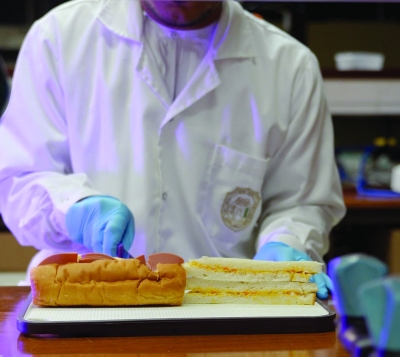
According to the report, the team collected 60 samples of ready-to-eat sandwiches, including egg, chicken, tuna and meat varieties, from a range of retail and coffee outlets. Samples were analyzed in a laboratory supervised by Dr. Ismail bin Mohammed Al-Balushi, an associate professor in the same department. The methods focused on total bacterial counts and screening for key pathogens to gauge microbial contamination and hygiene during preparation.
Key laboratory results and rankings
Laboratory results showed variation in bacterial load across sandwich types, with meat sandwiches recording the highest total bacterial counts, followed by tuna, chicken and egg sandwiches. Importantly, none of the tested samples yielded pathogenic Salmonella, which the study presents as a positive sign for food safety. However, some individual samples exhibited bacterial indicators that suggest lapses in cleanliness or cold chain management during preparation.
How results compare with regional standards
The study evaluated findings against Australian and New Zealand food microbiological criteria, noting that most sandwiches fell within the minimum acceptable range for total microbial content. Therefore, despite isolated samples of concern, the overall quality of ready-made sandwiches sampled in Muscat remained within internationally recognized limits. Additionally, the absence of Salmonella aligns with routine sanitary controls but does not eliminate other foodborne risks.
Factors affecting microbial contamination
Researchers highlighted several factors that can increase microbial contamination risks in ready-to-eat sandwiches: manual handling of ingredients, diverse raw components, and potential breaks in the refrigeration chain. Meanwhile, cross-contamination from utensils or work surfaces and inconsistent personal hygiene among food handlers can also elevate bacterial counts. Addressing these operational factors is central to reducing foodborne illness risk in retail food service.
Public health implications and industry guidance
Public health officials and food service operators should view the findings as both reassuring and cautionary, the report indicates. While the majority of sandwiches met acceptable microbiological levels, the detected variability underscores the need for continuous monitoring and stronger adherence to food safety management practices. Food safety and ready-to-eat sandwich handlers are advised to reinforce temperature control, sanitation, and staff training to prevent microbial contamination.
Recommendations from the research team
Amir Al-Rawahi urged expansion of future research to include larger sample sizes and additional pathogenic strains to achieve a more comprehensive risk profile. The study recommends routine surveillance programs, targeted hygiene audits in retail outlets, and adoption of standardized sampling protocols to improve comparability across studies. Furthermore, industry guidance should emphasize Hazard Analysis and Critical Control Points (HACCP) principles and traceability for ready-to-eat sandwiches.
Consumer advice and practical steps
Consumers can reduce personal risk by selecting outlets with visible hygiene practices and seeking products kept at appropriate refrigeration temperatures. Additionally, choosing freshly prepared items consumed shortly after purchase can limit bacterial growth associated with prolonged storage. Public awareness campaigns about food safety and microbial contamination can help shoppers make informed choices when buying ready-made sandwiches.
Next steps for surveillance and research
The study team expects that subsequent work will expand geographic coverage and examine a broader panel of bacteria and viruses relevant to foodborne illness. Authorities and academic partners may use these findings to design larger, systematic surveys and risk assessments over the coming months or year. Stakeholders should watch for updated guidance and follow-up publications that report on extended sampling and pathogen-specific testing.
Forward-looking conclusion
In summary, the field study in Muscat offers a measured assessment of ready-made sandwiches safety: most samples met international microbiological benchmarks, but isolated contamination indicators point to preventable hygiene gaps. Ongoing monitoring, enhanced regulatory oversight and expanded research are the recommended next steps to ensure these popular ready-to-eat sandwiches remain a safe option for consumers.