





Iran attacks Kuwait airport: immediate fallout
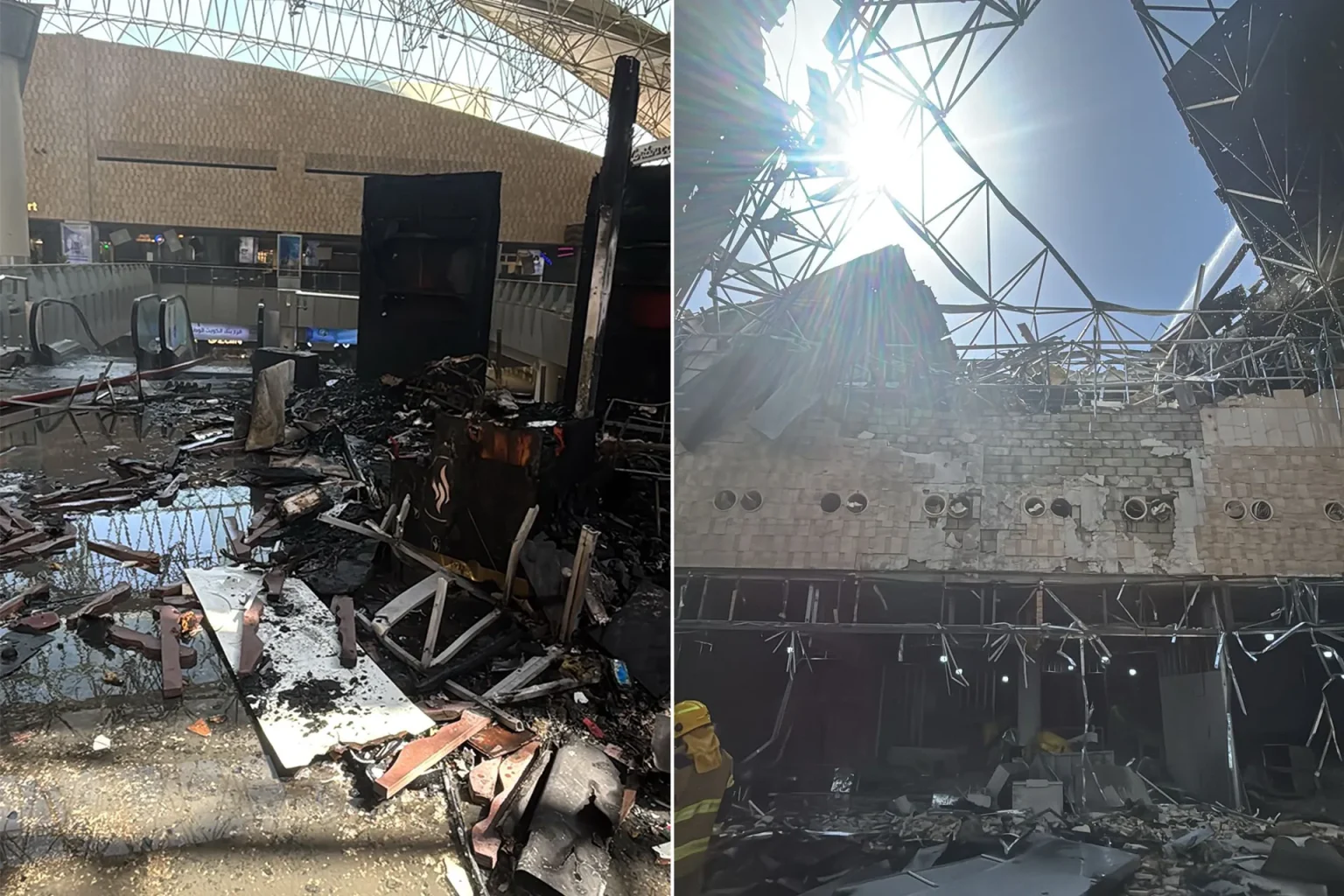
On March 6, 2026, a wave of missile and drone strikes struck civilian infrastructure in Kuwait and Bahrain, including a direct hit to the passenger terminal at Kuwait International Airport, leaving one dead and at least 63 wounded, according to the Kuwaiti foreign ministry. The Iran attacks Kuwait airport incident prompted immediate emergency responses and heightened security across the Gulf.
Authorities and diplomatic missions reported significant damage to airport facilities and other critical infrastructure. The Islamic Revolutionary Guard Corps claimed responsibility for the strikes, while Iranian officials warned they would use all available means to respond to what they described as sources of aggression.
Gulf and international reactions and GCC condemnation
Gulf Cooperation Council leaders condemned the attacks in the strongest terms, calling the strikes an unprecedented escalation that targets civilian sites and undermines regional sovereignty. Jassim Al-Budaiwi, the GCC secretary-general, said the incidents reflect a deliberate policy aimed at destabilizing member states and that the security of Kuwait and Bahrain is integral to collective Gulf security, according to an official statement.
Qatar’s foreign ministry labeled the assaults a serious breach of international humanitarian law and urged restraint to avoid further regional escalation. Saudi Arabia and the United Arab Emirates issued similar condemnations, reaffirming solidarity with Kuwait and Bahrain and supporting any measures those countries take to protect their sovereignty.
European and broader diplomatic responses
European Union officials also criticized the strikes, with the EU calling them deliberate attacks on civilian infrastructure that threaten regional stability. The EU urged immediate de-escalation and cited adherence to United Nations Security Council guidance, referencing resolution text and prior calls for restraint, according to an EU statement.
Germany’s foreign minister, Johann Wadephul, publicly accused Tehran of undermining ongoing diplomatic efforts and said the strikes risked harming third parties not involved in the original conflict. Several NATO partners and other regional governments expressed solidarity with the Gulf states and called for urgent diplomatic engagement to prevent further hostilities.
Tehran’s threats and regional implications
Iran’s foreign ministry warned that any state allowing its territory, airspace, or waters to be used for attacks against Iran would be regarded as a co-belligerent, and Tehran pledged to target the origins of hostile actions. Tehran also accused the United States of carrying out recent strikes on Iranian assets, which Iranian officials said justified their response, according to official Iranian statements.
Mohsen Rezaei, an adviser to Iran’s supreme leader and a former Revolutionary Guards commander, threatened a forceful military reply against renewed U.S. attacks, saying any new aggression would be met with significant missile and drone strikes, according to his public posts. Analysts warned that such rhetoric increases the risk of miscalculation and wider regional escalation.
Why the strikes matter: legal and security context
The strikes against civilian targets raise immediate legal concerns, with several governments noting potential violations of international humanitarian law, including the principles of distinction and proportionality. Humanitarian law experts cited statements by Gulf and European ministries emphasizing that attacks on airports, diplomatic missions and other civilian objects are unlawful when not directed at legitimate military targets.
Security analysts said the attacks complicate ongoing diplomatic tracks aimed at stabilizing the wider Middle East and could undermine ceasefire or prisoner exchange arrangements in adjacent conflicts. Furthermore, the targeting of commercial and civilian infrastructure heightens risks to international trade routes and foreign nationals in the region.
Operational and defensive responses
Kuwaiti authorities suspended some airport operations temporarily for damage assessment and repairs, while Bahrain reported no casualties but confirmed it had been struck. Gulf states announced stepped-up air and maritime patrols and reinforced air defenses, with some partners offering technical and intelligence assistance to assess damage and deter follow-on strikes.
International aviation authorities and carriers are monitoring the situation for potential route adjustments and safety advisories. Airlines and logistics operators are likely to reassess flight paths over the Gulf if attacks continue, which could affect commercial traffic and insurance rates for carriers operating in the region.
Humanitarian and political responses
Jordan, Lebanon and other neighboring states publicly condemned the attacks and expressed solidarity with Kuwait and Bahrain, offering condolences and medical support for the wounded. Humanitarian officials emphasized the need to protect civilians and critical infrastructure, urging all parties to adhere to established legal norms.
Diplomats indicated that emergency briefings at the United Nations and regional forums are expected as states seek a coordinated response aimed at de-escalation. Calls for independent investigations and transparent reporting of the damage and casualties were made by multiple capitals.
What to watch next
Key developments to monitor include whether further strikes occur, official responses from the United States and other external powers, and any movement toward emergency diplomacy through the United Nations or regional mechanisms. Observers will also watch for changes in commercial flight patterns and any escalation in missile or drone activity across the Gulf.
International actors are likely to press for a rapid cessation of attacks and for mechanisms that prevent further civilian harm. The coming days may determine whether the incident remains a limited cross-border strike or becomes a driver of broader regional confrontation.
Conclusion and outlook
The Iran attacks Kuwait airport episode has immediately strained Gulf security dynamics and prompted broad diplomatic condemnation. While each side frames its actions as defensive, the risk of inadvertent escalation remains significant, and regional leaders and international partners are likely to prioritize urgent diplomacy and enhanced defensive measures in the short term.
Readers should watch for statements from the United Nations, any convening of the Gulf Cooperation Council for crisis consultations, and updates from aviation and defense authorities over the next 48 to 72 hours as authorities assess damage, respond to security risks, and pursue diplomatic channels to prevent further violence.