






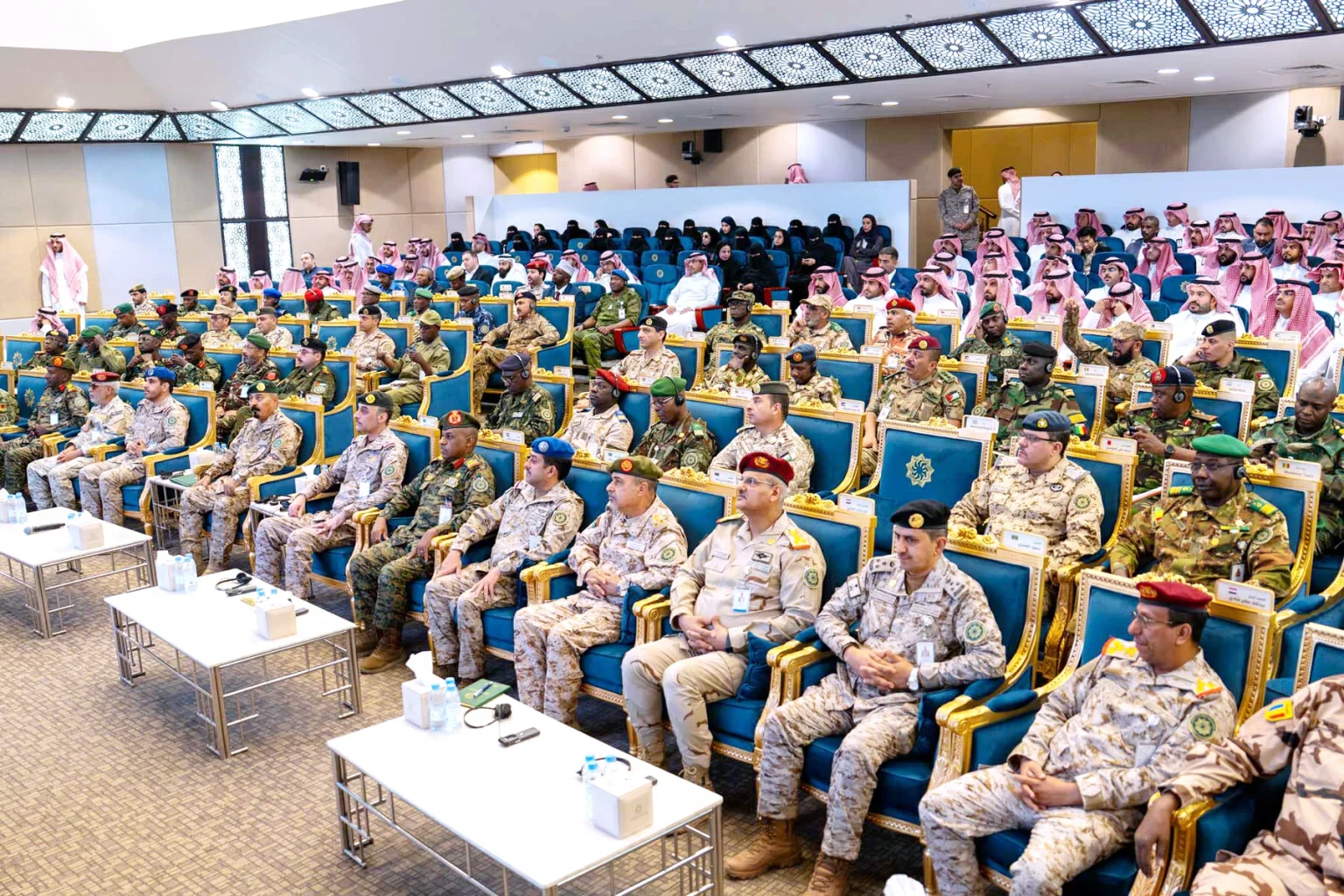

Terrorism through history: Coalition seminar outlines historical perspective
At a recent event organized by the Islamic Military Counter Terrorism Coalition, Dr. Farhat Al-Harshani delivered a lecture titled “Terrorism through History,” attended by the coalition’s Secretary General Major General Mohammed Saeed Al-Mughidi and representatives from member states. The session presented a historical overview and aimed to correct misconceptions linking terrorism to a specific faith or culture.
The lecture, officials said, drew on academic and historical sources to show that political violence and terror tactics have appeared across civilizations long before the rise of Islam, underscoring the need for informed counterterrorism awareness.
Terrorism through history: historical roots and academic evidence
Dr. Al-Harshani reviewed evidence indicating that acts now called terrorism were recorded in diverse ancient societies, from state-sponsored intimidation to insurgent violence in eras predating major world religions. According to his presentation, historians and scholars have documented organized campaigns of terror for political ends in multiple cultural contexts, which suggests the phenomenon is not confined to any single religion or civilization.
Furthermore, the speaker emphasized that using historical context helps separate episodic acts of violence from broader cultural or religious identities. Therefore, policymakers and researchers can better design prevention strategies by understanding the diverse socio-political drivers that have produced such tactics over centuries.
Addressing misconceptions: religion, rights, and Islamic teachings
The lecture directly confronted narratives that associate Islam with terrorism, noting that such claims ignore both historical complexity and religious principles. Dr. Al-Harshani highlighted that mainstream Islamic teachings prioritize the protection of life and the preservation of rights, and that religious authorities have long condemned the targeting of noncombatants.
In contrast, he argued, contemporary extremist groups often exploit religious language to justify political aims. Therefore, separating ideological distortion from authentic religious doctrine is essential for effective counter-extremism messaging and for promoting community resilience against radicalization.
Legal and moral frameworks
Additionally, the talk addressed how international law and ethical traditions across societies have developed norms against unlawful violence. Officials noted that referencing those frameworks helps build common ground for international cooperation, and supports rehabilitation and deradicalization efforts that rely on ethical and legal clarity.
Islamic Military Counter Terrorism Coalition programs and counterterrorism awareness
The seminar is part of the coalition’s broader initiative to strengthen counterterrorism awareness, promote research, and correct false narratives that can fuel division. According to coalition statements, workshops and lectures aim to equip member states and personnel with factual historical knowledge and tools to counter ideological manipulation.
Meanwhile, participants discussed practical measures such as educational outreach, engagement with religious scholars, and coordinated public messaging. These steps are intended to reduce the appeal of extremist narratives and to support international efforts against violent extremism in all its forms.
Implications for policy, education, and international cooperation
Understanding terrorism through history has concrete implications for policy design and prevention strategies. By framing violent tactics as a recurrent political phenomenon rather than a product of a single culture or religion, policymakers can prioritize socio-economic, political, and psychological drivers when allocating resources.
Furthermore, experts at the session stressed the importance of cross-border cooperation and information sharing among law enforcement, educators, and community leaders. Therefore, integrating historical awareness into training curricula can enhance early-warning systems and community-based prevention programs.
Research and communication priorities
Speakers recommended that future research map historical patterns alongside modern dynamics to identify persistent risk factors. In addition, clear, fact-based communication campaigns were urged to dispel myths and to support victims of violence while reinforcing universal human rights principles.
What to watch next
Observers should expect the coalition to continue rolling out educational seminars and collaborative programs aimed at deepening understanding of terrorism through history and strengthening counterterrorism awareness among member states. The coalition indicated that further events and publications will aim to translate historical insights into actionable policy guidance.
For journalists, policymakers, and civil society, the next steps to monitor include follow-up training sessions, joint research outputs, and the coalition’s efforts to engage religious and academic institutions in clarifying the distinction between extremist ideology and religion. Such developments could shape the international discourse on prevention and response over the coming months.