





Protecting UNRWA: Kuwait Urges International Action at UN Security Council Debate
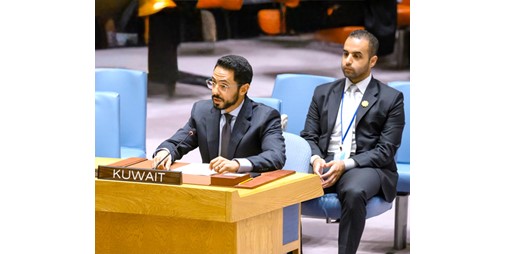
Kuwait urged immediate action on protecting UNRWA in a statement delivered at an open United Nations Security Council debate on the situation in the Middle East. The remarks, read by First Secretary Fahd Al-Ajmi on behalf of a core group backing the agency, called for respect for international law, protection of civilians, and full support for UNRWA’s mandate. The appeal emphasized safeguarding humanitarian institutions amid escalating needs.
Who Spoke, What Was Said, and Where
The Kuwaiti statement was presented at a Security Council discussion that brought together member states to address recent threats to humanitarian operations in the occupied Palestinian territories. Kuwait’s delegation highlighted the central role of UNRWA in providing vital services and warned of unprecedented attacks on the agency, its staff, and facilities. The statement drew attention to operational constraints and urged the international community to act.
Why Protecting UNRWA Matters
UNRWA has been a primary provider of education, health care, relief, and social services for Palestinian refugees for more than seven decades, the statement noted. Therefore, protecting UNRWA is not only a humanitarian imperative but also a component of regional stability, Kuwait said. The agency’s disruption threatens essential services to millions and risks deepening civilian suffering, according to the delegation.
Allegations and Humanitarian Impact
The delegation voiced deep concern over what it described as an unprecedented campaign to restrict UNRWA’s operations, citing attacks on staff, premises, and programs. Kuwait’s statement referenced the deaths of 391 UNRWA employees, calling it one of the largest losses among humanitarian workers in UN history. Meanwhile, the delegation said schools, health centers and other UNRWA facilities had been damaged, closed, or repurposed in ways that constrain humanitarian protections.
Legal and Institutional Arguments
Kuwait stressed that measures undermining UNRWA’s work could violate the UN Charter and the Convention on the Privileges and Immunities of the United Nations, a point that underscores legal obligations to protect humanitarian actors during armed conflict. Furthermore, the delegation argued that impediments to UNRWA’s mission erode the protection due to humanitarian personnel and staff of the UN system in conflict settings. Therefore, states must ensure safe and unimpeded humanitarian access.
Operational Consequences
Limiting UNRWA’s capacity affects schooling, primary health services, and social safety nets that host vulnerable populations, the statement said. In practice, such constraints can increase displacement, fuel grievances, and reduce the effectiveness of mediation and peacebuilding efforts. Consequently, Kuwait framed supporting UNRWA as an investment in humanitarian stability and conflict prevention.
Regional and International Implications
Delegates warned that sidelining the agency risks long-term damage to prospects for peace, including efforts toward a two-state solution. The Kuwaiti statement emphasized that mediation and dialogue aiming for a durable settlement will struggle to succeed if institutions that sustain civilian life are weakened. Additionally, the delegation called on international partners to view backing UNRWA as contributing to regional security and human dignity.
Calls for Concrete Measures and Funding
Kuwait urged Security Council members and the broader international community to protect UNRWA staff, facilities, and operations from interference or attack. The delegation also urged participants to seize an upcoming UNRWA pledging conference in New York at the end of the month to mobilize financial and political support. Supporting UNRWA was framed as essential to maintaining education and primary health services for Palestinian refugees while addressing acute humanitarian needs.
Responses and Diplomatic Context
While the statement did not list all responses from other delegations, it reflected growing concern among several countries about humanitarian protections and respect for Security Council mandates. Officials and diplomats at the meeting reiterated that international law requires safeguarding civilians and humanitarian actors in conflict zones. The Kuwaiti remarks aimed to consolidate diplomatic backing for UNRWA’s mandate and to press for concrete steps to reverse restrictions on the agency.
What Comes Next: Watchpoints and Timeline
Observers should watch the New York pledging conference for indications of renewed financial backing and political commitments to protecting UNRWA and humanitarian operations. Additionally, Council activity on related resolutions or statements could signal whether member states will follow through on calls to uphold international law and protect humanitarian personnel. Therefore, the coming weeks are likely to be decisive for the agency’s ability to sustain services.
Conclusion: Protection Linked to Peace Prospects
Kuwait’s address to the Security Council framed protecting UNRWA as vital to preserving civilian life and supporting long-term stability in the region. The delegation reiterated that any mediation seeking a two-state solution cannot succeed if humanitarian institutions are undermined. As the international community prepares for the pledging conference, states and donors will be watched on whether they translate diplomatic appeals into protection measures and resources for Palestinian refugees and the broader humanitarian response.