






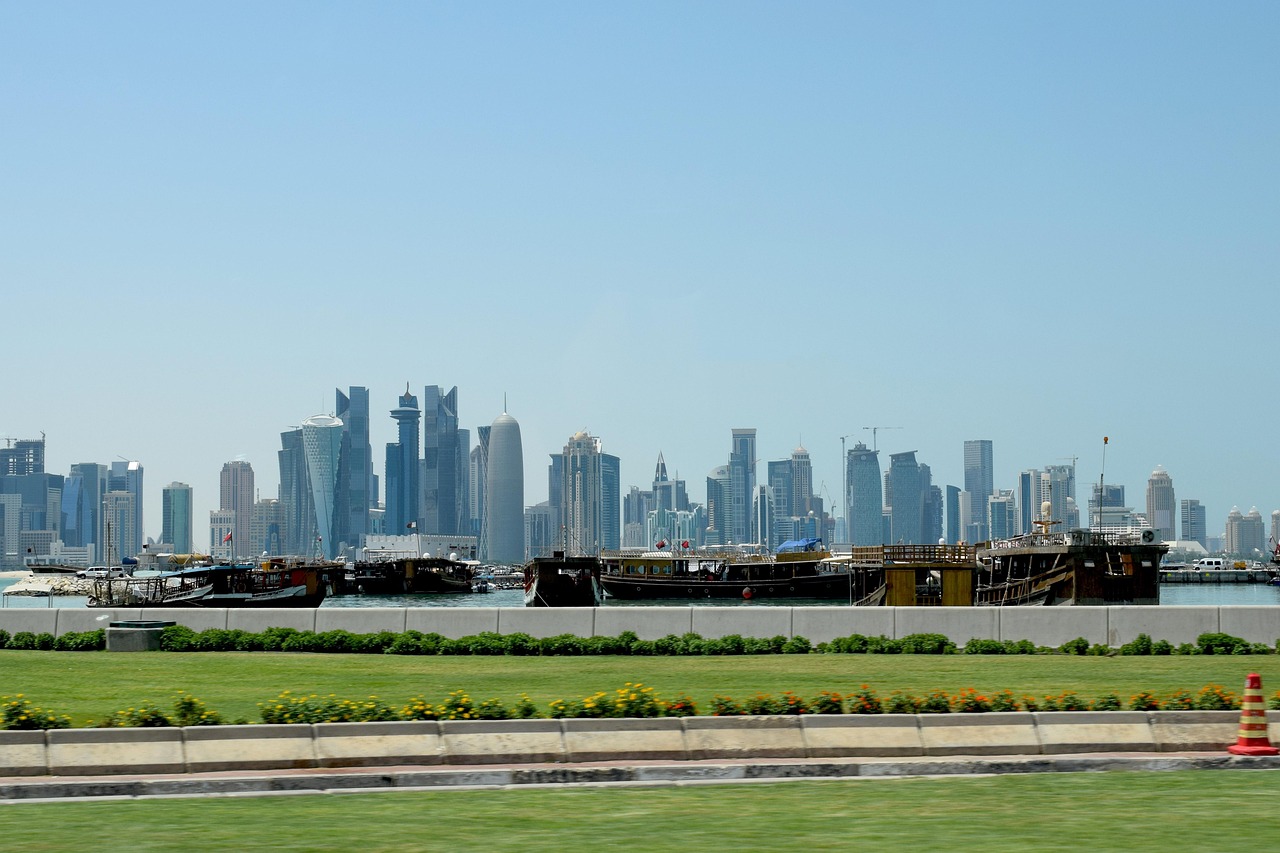

Hidden gems along the Gulf coastline reward travelers who look beyond the skyscrapers and luxury resorts. From quiet islands with turquoise bays to fossil-strewn desert landscapes and centuries-old forts, the Top Hidden Travel Destinations in the Gulf Region offer a mix of nature, culture, and low-key adventure. These places are often easier to explore during shoulder seasons and can be reached with short flights, ferries, or scenic drives from major hubs like Dubai, Doha, Muscat, and Manama.
This guide highlights the best lesser-known spots across the Gulf: where to go, how to get there, what to expect, and sensible planning tips. Whether you’re after snorkeling, birdwatching, heritage sites, or desert solitude, the selections below prioritize accessibility, authenticity, and traveler safety while reminding you to check official sources for visa, safety, and transport updates before booking.
Quick Answer
The Top Hidden Travel Destinations in the Gulf Region include Musandam (Oman) for fjord-like cruises, Sir Bani Yas (UAE) for wildlife and conservation, Hawar Islands (Bahrain) for secluded beaches and birdlife, Zekreet and Al Zubarah (Qatar) for desert geology and heritage, Farasan Islands (Saudi Arabia) for coral reefs, Qeshm and Hormuz (Iran) for geology and cultural diversity, and Failaka (Kuwait) for archaeology. Most are reached from regional airports and often require short boat transfers or island-only flights.
Key Takeaways
- Hidden Gulf destinations combine coastal nature, desert scenery, and heritage without the crowds of main cities.
- Best travel seasons are generally autumn to spring when temperatures are milder.
- Access varies: some sites need ferries or small local flights, so plan connections carefully.
- Respect local customs, check visa and COVID rules with official authorities, and buy travel insurance for water activities.
- These spots suit slow travelers, nature lovers, photographers, and cultural explorers looking for low-impact visits.
Why visit hidden travel destinations in the Gulf region?
Beyond the region’s famous cities you’ll find quieter landscapes that tell a different story: migratory birds, undisturbed coral reefs, and living archaeological sites. These areas are often protected or less developed, which means better wildlife encounters and unique photo opportunities.
Travelers can combine a city stay with short excursions to these hidden places to experience contrasts — from a morning museum in Doha to afternoon snorkeling around an isolated island.
Top Hidden Travel Destinations in the Gulf Region
Musandam Peninsula, Oman — fjords, dolphins, and dhow cruises
Musandam feels like the Gulf’s answer to a fjord region, carved by dramatic cliffs and deep blue water. Day cruises from Khasab (reachable by road from the UAE or short flight via Muscat) offer dolphin watching, snorkeling, and overnight dhow trips. Bring sun protection, light layers for sea breezes, and a camera with a zoom for wildlife shots.
Sir Bani Yas, Abu Dhabi (UAE) — wildlife reserve and eco-lodges
This island is a conservation success story with free-roaming oryx, giraffes, and cheetahs in managed reserves. Access is by ferry or charter from Abu Dhabi and there are eco-friendly lodges and guided drives. It’s a great alternative if you want wildlife without the long drives typically needed in Africa.
Hawar Islands, Bahrain — quiet beaches and birdwatching
The Hawar archipelago is a protected area adjacent to Qatar, famous for tidal flats and wintering birds. Small guesthouses and limited visitor services mean a more rustic experience; ferries depart from Bahrain, so check schedules in advance. Ideal for photographers and nature-focused travelers.
Zekreet and Al Zubarah, Qatar — desert formations and UNESCO heritage
Zekreet’s sculpted limestone outcrops and nearby Al Zubarah Fort (UNESCO site) offer surprising geology and history close to Doha. Rent a 4×4 or join a guided tour to explore caves, rock formations, and coastal archaeology. Carry water, a physical map or offline GPS, and respect protected-area rules.
Farasan Islands, Saudi Arabia — coral reefs and traditional villages
Off the Red Sea coast, the Farasan archipelago is less visited than Yemen’s islands but offers rich snorkel sites and traditional island life. Ferries operate from Jazan; diving operators and guesthouses are available on the main islands. Check entry and health requirements before travel.
Qeshm and Hormuz, Iran — geological wonders and colorful landscapes
Qeshm Island’s geopark includes dramatic canyons, mangrove forests, and unique rock formations, while Hormuz is famous for its rainbow-hued sand and salt flats. These islands are popular with photographers and cultural travelers; travel logistics vary by nationality so verify visa and airline connections before planning.
Failaka Island, Kuwait — archaeology and quiet beaches
Failaka combines Greek and Mesopotamian ruins with modern Gulf history and is connected by ferry from Kuwait City. It’s an easy half-day or overnight trip for travelers based in Kuwait who want offbeat heritage sites without long travel times.
Practical travel tips for these hidden Gulf destinations
- Best time to go: October to April for cooler temperatures and calmer seas.
- Transport: major Gulf hubs (Dubai DXB, Abu Dhabi AUH, Muscat MCT, Doha DOH, Manama BAH) are jump-off points; expect ferries, regional flights, or 4×4 transfers to reach remote spots.
- Accommodation: options range from eco-lodges and boutique hotels to basic guesthouses; book ahead for small islands with limited rooms.
- Health and safety: carry sunscreen, a hat, and water purification tablets if you plan long hikes; confirm dive operators are certified for reef trips.
- Respect local customs: dress modestly in public areas onshore, and follow guidance at protected sites and wildlife reserves.
Best Tips for Planning Your Trip
- Check visa and entry rules with official government websites or your consulate — rules can change quickly.
- Synchronize transport: allow extra time between international flights and local ferries or small-plane departures in case of delays.
- Book guided activities for wildlife areas or offshore reefs; local guides know seasonal conditions and protected-area regulations.
- Pack layered clothing for cooler early mornings and evenings, and bring reef-safe sunscreen for snorkeling and diving.
- Buy travel insurance that covers water sports, medical evacuation, and trip changes for island or remote-area visits.
Who is this best for?
These Top Hidden Travel Destinations in the Gulf Region are best for travelers who value nature, low-crowd experiences, and cultural heritage. Photographers, birdwatchers, snorkelers, and explorers who prefer immersive day trips or multi-night stays in quieter settings will get the most from these destinations.
If you want luxury resorts, nightlife, or large-scale attractions, combine a city stay with 1–2 hidden-destination excursions rather than expecting resort-style services everywhere.
Common mistakes to avoid
- Underestimating transfer times — local ferries and island flights often have limited schedules.
- Not checking the season — summer heat makes island exploration uncomfortable and reduces marine visibility.
- Ignoring local regulations — some areas restrict access to protect wildlife or archaeological ruins; fines or closures are possible.
- Assuming credit cards work everywhere — small islands may have cash-only operators and limited ATMs.
Conclusion
Exploring the Top Hidden Travel Destinations in the Gulf Region uncovers a different side of the Arabian coastline: dramatic geology, quiet beaches, important wildlife habitats, and centuries of human history. With proper planning — checking official visa information, aligning transfers, and booking local guides — these destinations reward travelers with memorable, low-impact experiences away from the crowds.
Frequently Asked Questions
How safe are hidden travel destinations in the Gulf region?
Generally safe: most Gulf destinations have good infrastructure and low crime, but remoteness adds risks. Check travel advisories, register with your embassy if advised, and carry emergency contact numbers when visiting islands or deserts.
When is the best time to visit these Gulf hidden spots?
Best time: autumn through spring (roughly October to April) when temperatures are milder and sea conditions are calmer. Summer can be extremely hot and humid, reducing comfort and outdoor activity options.
Do I need special permits or guides for nature reserves and islands?
Sometimes yes: many protected areas require permits or guided access to limit impact. Contact local tourism boards or reserve management in advance to book guided tours and secure any necessary permissions.
How do I reach islands like Sir Bani Yas or Hawar?
Access varies: Sir Bani Yas has ferries and guest transfers from Abu Dhabi, Hawar Islands use scheduled ferries from Bahrain, and smaller islands may need private boats or local charters. Plan connections from regional airports and confirm timetables with operators.
Are these destinations family-friendly?
Many are family-friendly with calm beaches, wildlife drives, and easy day-trip options, but services can be basic. If traveling with children, choose accommodations with family facilities and confirm medical access in advance.
Can I find diving and snorkeling at these hidden Gulf destinations?
Yes: Farasan Islands, Musandam, and parts of the Qeshm/Hormuz area have excellent diving and snorkeling. Use certified dive operators and check conditions and insurance coverage for water activities.
What currency and payment options should I expect?
Local currency is used (dirham, riyal, rial, dinar depending on country), and major cards work in cities but remote islands often prefer cash. Carry some local cash for ferry fares, small purchases, and tips.