






Frozen Iranian funds at the center of Pakistan-led mediation
Pakistan has stepped into a diplomatic tug-of-war over frozen Iranian funds, sending envoys to Tehran this week as tensions rise between Tehran and Washington. The intervention follows reports that Iran demands immediate access to about $12 billion from those frozen Iranian funds as a precondition for talks, while the United States conditions any disbursement on a final nuclear agreement, according to Axios and Al Jazeera reporting.
The presence of Pakistan’s interior minister in Tehran and a separate message reportedly delivered by Pakistan’s army chief illustrate Islamabad’s role in attempting to break the impasse. Meanwhile, President Donald Trump has publicly suggested Iran’s reluctance to accept a Pakistani memorandum of understanding is rooted in pride, even as U.S. officials tell reporters the dispute is more complex.
Why frozen Iranian funds are a sticking point in nuclear negotiations
The frozen Iranian funds issue is central because it touches directly on trust and verification, two pillars of any return to substantive nuclear negotiations. Iran’s leaders want a clear, immediate mechanism to access funds held abroad, while U.S. officials insist that releasing assets must be tied to concrete, verifiable steps by Tehran toward nuclear constraints, according to U.S. and regional analysts.
Furthermore, past episodes of funds being diverted or frozen after initial transfers have hardened positions on both sides. Analysts note that Tehran’s demand for specific delivery dates, designated accounts and immediate usability of funds reflects Tehran’s concern about reversals, while Washington’s stance reflects Washington’s broader objective of conditioning relief on durable compliance.
Pakistan mediation: visits, messages and the memorandum
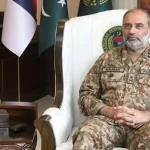
Pakistan’s mediation has intensified in recent days. Interior Minister Mohsin Naqvi arrived in Tehran with a message reportedly intended for the Supreme Leader, according to Al Jazeera correspondent Omar Hawash. Earlier, Pakistan’s army chief, General Asim Munir, is said to have conveyed a private note that reportedly had the backing of Prime Minister Shehbaz Sharif.
Pakistan has proposed a draft memorandum of understanding as a framework for talks. The draft would, according to officials briefed on the matter, create procedural steps for both sides to engage and potentially place disputed funds in a trusted escrow or a third-country account while negotiations proceed. However, Iranian officials have remained wary of arrangements that do not guarantee immediate and actionable access to money, complicating Pakistan mediation efforts.
U.S. position, political dynamics and senior officials’ views
The United States continues to link significant financial transfers to a comprehensive nuclear deal, emphasizing enforceable limits and monitoring. U.S. officials cited by Axios say that unresolved issues extend beyond the funds themselves to sequencing, verification and post-deal compliance mechanisms.
Former U.S. defense officials and analysts have framed the dispute in political terms as well. One former official noted that some funds previously disputed involved complex arrangements tied to unrelated incidents and policy shifts, illustrating why Washington seeks binding guarantees before loosening financial constraints.
Potential compromise options and risks
Observers say realistic compromise options include placing a portion of the frozen Iranian funds in a jointly monitored escrow account or transferring money to a mutually trusted third state with legally binding release conditions triggered by verifiable Iranian steps. Such mechanisms could be part of a phased approach that balances Iran’s demand for tangible relief with U.S. insistence on enforceable commitments during nuclear negotiations.
However, these options carry risks. Iran’s negotiators have repeatedly stressed that ambiguous commitments or protracted timelines for fund availability would undermine public and elite support at home. Conversely, U.S. lawmakers and officials have warned against unilateral or premature financial transfers without durable verification, reflecting bipartisan concerns about rewarding behavior they view as provocative.
Implications for broader nuclear negotiations
The frozen Iranian funds dispute has broader consequences for nuclear negotiations and regional stability. If unresolved, the impasse could stall talks, erode confidence-building efforts and reduce the prospect of a negotiated framework to limit Iran’s nuclear activities. Additionally, protracted stalemate could increase the likelihood of regional actors adjusting their security postures in response to perceived gaps in diplomacy.
Conversely, a pragmatic, phased solution to the funds question could restart substantive negotiations by creating space for reciprocal steps and technical work on verification. Pakistan mediation is being watched closely because a credible third-party arrangement could provide a face-saving path forward for both Tehran and Washington.
Related context
Analysts point to the 2015 nuclear agreement as a historical reference point: financial relief and sanctions relief were key bargaining chips then, and mistrust that followed subsequent policy changes remains a major factor today. Therefore, any new arrangement will likely emphasize legal safeguards, monitoring and clear timelines to prevent a repeat of past disruptions.
What to watch next
Diplomatic sources say the next steps will include formal responses from Iran’s national security council and further shuttle diplomacy from Pakistan in the coming days. Observers expect both capitals to test escrow and monitoring proposals while domestic political pressures in Tehran and Washington will shape how flexible each side can be.
Ultimately, whether the frozen Iranian funds issue can be resolved as part of a phased negotiation or will continue to block progress depends on the ability of mediators to design a credible, enforceable mechanism that satisfies both Iran’s demand for immediate relief and U.S. insistence on verifiable commitments.