






Ministry of Social Affairs strategic plan shows strong fourth-period delivery
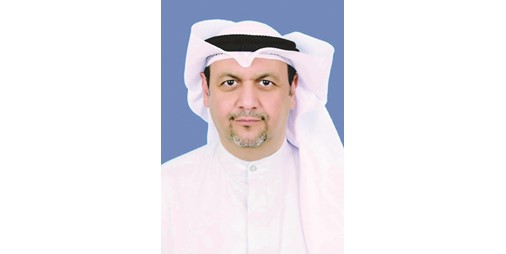
The Ministry of Social Affairs strategic plan recorded a full implementation rate for projects scheduled in the fourth period of the 2025–2026 fiscal year, ministry officials said. In a statement on the progress report, Dr. Sayed Issa, Undersecretary for Financial and Administrative Affairs and Director General of the General Administration of Planning and Administrative Development, announced the results in the capital this week.
The announcement covers who delivered the update, what was achieved, when it was recorded (fourth period, fiscal year 2025–2026) and where the work is situated within the ministry’s institutional framework. The report indicates the ministry completed 100 percent of the projects listed for the fourth period while continuing a long-term roadmap through to 2035.
Progress and numeric breakdown of strategic goals and projects
The ministry reported that 29 of 33 strategic goals set across covered directorates have been advanced, with a cumulative implementation rate of 47 percent against the long-range targets to 2035. Officials said the 2025–2026 fourth-period tally was delivered through 63 operational projects distributed across the ministry’s main administrations.
Furthermore, the report breaks down project counts by administration: 17 projects in Social Care, 11 in Planning and Administrative Development, 10 in Social Development, nine in Financial and Administrative Affairs, nine in the Cooperative Affairs administration, and seven in Legal Affairs. According to the ministry, the 100 percent completion rate applies specifically to the projects scheduled for this period rather than implying full completion of the multi-decade strategy.
Departmental project achievements and priorities
The General Administration of Planning and Administrative Development implemented 11 projects focusing on institutional integration, technical capacity-building for engineers and technicians, and maintenance of digital systems such as biometric devices and the online portal tied to family care and cooperative sector services. These initiatives aim to strengthen governance and the ministry’s digital transformation agenda.
Meanwhile, Financial and Administrative Affairs completed nine projects centering on facility services, security, staff benefits, inventory control training, procurement workflow improvements and quarterly budget preparations. These operational upgrades support more reliable budget execution and internal accountability.
The Cooperative Affairs administration combined regulatory oversight with modernization, completing nine projects that targeted investment contracts within cooperatives, electronic voting for general assemblies and elections, financial center preparation and automated financial controls. Officials framed these actions as essential to nurturing the cooperative sector and improving its financial sustainability.
Social Care led project volume with 17 initiatives delivering services for older adults, youth rehabilitation and family-centered support. Key programs include craft workshops for seniors, active aging and intergenerational care initiatives, therapeutic play centers, mental health awareness campaigns and a future leaders program for at-risk youth.
Social Development executed all six of its strategic targets through 10 projects such as a recurring partnership forum with charities, the 2025 national donation drive, improvements to the associations registry, business incubation for family enterprises, public awareness messaging and programs addressing digital addiction and gender discrimination.
The Legal Affairs office completed seven projects, covering procurement law updates, staff training, process simplification, coordination on central tenders directives, investigations into financial irregularities affecting aid beneficiaries, civil service law awareness and ceremonies to honor exemplary and distinguished staff members.
What the fourth-period results mean for social care reform
Officials said the fourth-period achievements show a shift from long-term goals into measurable annual programs, a core element of the ministry’s approach to social care reform. By converting strategic aims into discrete projects, the ministry intends to enable routine monitoring, assign clear responsibilities and measure outcomes more accurately.
In addition, the reported emphasis on digital transformation aims to streamline beneficiary management, automate financial reporting in cooperatives and strengthen transparency across aid programs. The legal administration’s work to investigate beneficiary violations and refine procedures underscores efforts to protect program integrity while improving targeting and oversight.
Accountability, governance and partnership commitments
Dr. Sayed Issa framed the fourth-period report as evidence of institutional discipline in adhering to timelines and performance metrics, noting that the ministry continues to reinforce governance principles and partnerships with civil society organizations. The ministry stated that routine follow-up of progress percentages helps ensure clarity of duties and precision in measuring results.
Officials also highlighted training, procurement reforms and upgrades to store and inventory management as complementary measures that improve value for money and reduce operational risk. The cooperative sector initiatives, in particular, were described as supporting food security objectives and strengthening cooperative financial positions.
Investigations and staff recognition
Among the Legal Affairs projects, investigations into financial irregularities on aid beneficiary files were explicitly listed. Simultaneously, staff recognition events to honor the model employee and distinguished staff members were delivered as part of broader human resources and organizational culture initiatives.
Looking ahead: next steps and what to watch
The ministry said it will continue advancing projects aligned with its strategic plan to 2035, refine its measurement tools and scale up digital systems to improve service delivery. Observers should watch upcoming quarterly reports for progress on the remaining four strategic goals and for indicators of sustained improvements in service quality and governance.
Overall, the Ministry of Social Affairs strategic plan appears to be transitioning from vision to operation, with the ministry committed to continued performance tracking, enhanced transparency and deeper collaboration with community partners through the remainder of the multi-year timeline.