








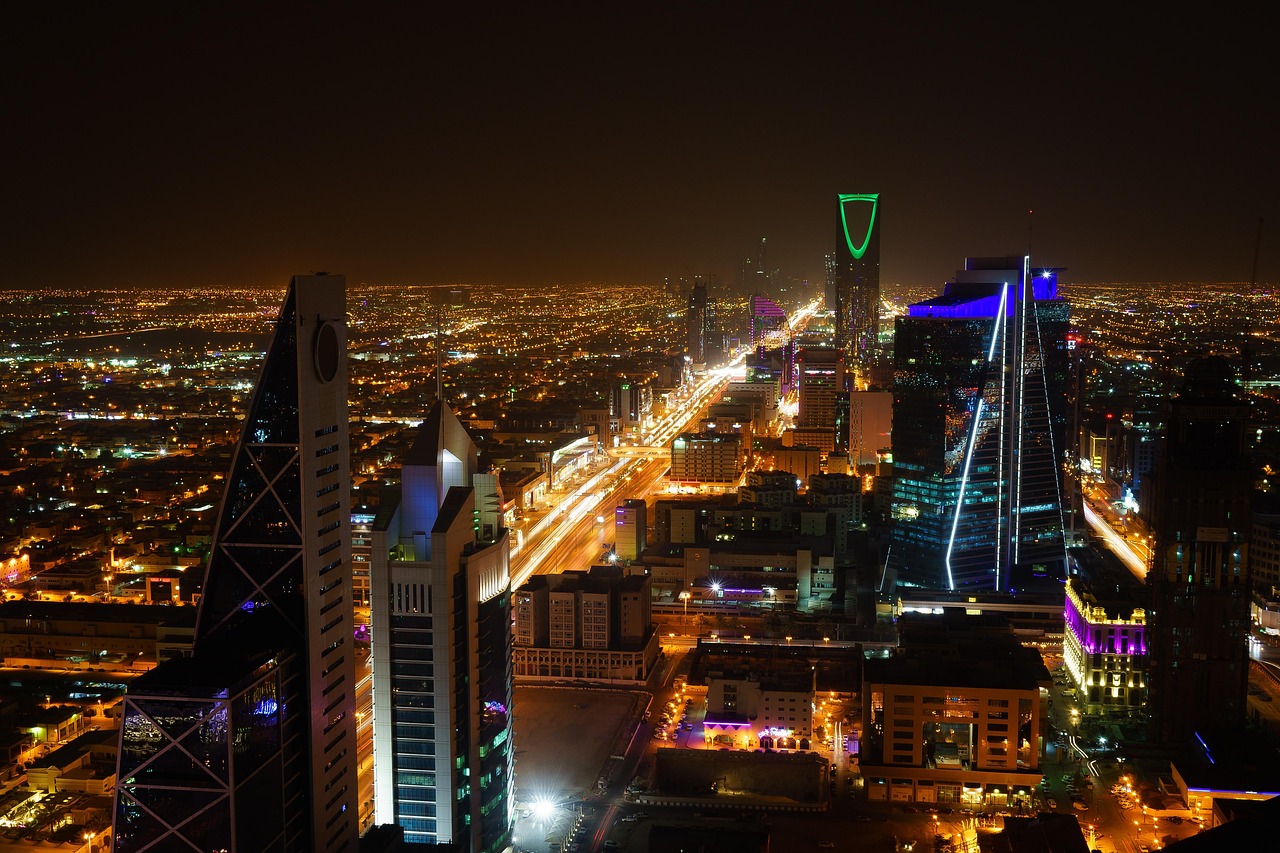

Analyzing current strengths, reform plans, headwinds and scenarios that will determine whether Riyadh can secure—and keep—the region’s top economic spot.
Where things stand today
Over the past decade Saudi Arabia has emerged as one of the leading economies in the Middle East. Its energy resources, large sovereign wealth, and ambitious reform agenda under Vision 2030 have pushed Riyadh into a position of regional economic prominence. In nominal terms Saudi Arabia is already one of the largest economies in the wider Middle East and the largest in the Arab world. Whether it becomes—or remains—the single biggest economy in the broader Middle East depends on trends in oil markets, the pace of economic diversification, and how competitors evolve.
Key drivers that could make Saudi Arabia the region’s economic leader
- Energy wealth and fiscal firepower: Large oil and gas reserves give Saudi Arabia fiscal flexibility to invest in infrastructure, subsidies and strategic projects when prices are high. The Public Investment Fund (PIF) deploys capital to transform the domestic economy and acquire international assets.
- Vision 2030 reforms: Structural reforms—privatization, new industries, tourism growth (including religious tourism), and regulatory changes—are designed to reduce oil dependence and boost non-oil GDP.
- Mega-projects and investment: Projects such as NEOM, large-scale tourism developments, and industrial clusters aim to create new sectors and attract foreign direct investment.
- Demographic dividend if harnessed: A young population can support growth if skills, female labor participation and private-sector job creation rise.
- Strategic diversification into future industries: Investments in renewables, green hydrogen, petrochemicals, mining, logistics and technology can create new, exportable sources of GDP.
Main risks and constraints
- Oil price volatility and energy transition: Renewable energy growth and efforts to cut fossil-fuel consumption globally could reduce long-term demand for crude, limiting oil-driven revenue upside.
- Execution risk: Mega-projects and institutional reforms are complex and capital-intensive; delays, cost overruns, or insufficient private-sector uptake would weaken growth expectations.
- Labor market and human capital gaps: Rapid economic transformation requires better education, vocational training and higher female participation—areas where progress must accelerate to meet private-sector needs.
- Geopolitical and regional stability: Tensions in the Middle East raise risk premia and can deter investment and tourism.
- Environmental constraints: Water scarcity, extreme heat and climate impacts can raise costs for agriculture, urban living and some industries.
How Saudi Arabia compares to regional peers
Comparisons depend on which countries are included and whether you look at nominal GDP or purchasing-power parity (PPP). Major regional peers include the United Arab Emirates, Turkey, Israel, Iran and Egypt. Highlights:
- UAE: Highly diversified services, finance and trade hub with strong per-capita incomes but a smaller population and GDP base than Saudi. The UAE’s agile business environment and free zones are strong competitive advantages.
- Turkey: Large and diversified industrial economy that often ranks among the region’s top economies. Turkey’s performance is sensitive to macro stability and currency fluctuations.
- Israel: Advanced tech and services sectors punch above their weight economically, but its domestic market is smaller.
- Iran and Egypt: Large populations and sizable economies, but sanctions (in Iran’s case), structural issues and slower reform trajectories constrain growth relative to Saudi ambitions.
In short: Saudi has the resource base and capital to be the largest economy in many scenarios, but competition from Turkey (if measured within the same regional set) or a rapidly growing non-oil UAE sector could be meaningful challengers.
Possible scenarios
- Optimistic: Reforms accelerate, non-oil growth scales up, foreign investment surges, and the PIF successfully seeds new global champions—Saudi consolidates or expands its lead across the Middle East by the 2030s.
- Base case: Saudi remains one of the top two economies in the region. Oil cycles and steady but uneven reform progress keep growth respectable but not transformative overnight.
- Pessimistic: Prolonged oil demand decline, major project failures, or geopolitical shocks erode revenues and investor confidence—growth stalls and competitive positions slip relative to more diversified peers.
What Saudi needs to do to secure top spot
- Deliver measurable non-oil GDP growth through privatization, SME support, and export-oriented manufacturing and services.
- Improve education, vocational training and women’s labor-force participation to supply skilled workers to a growing private sector.
- Strengthen the business and regulatory environment to attract sustained foreign direct investment beyond one-off deals.
- Invest strategically—balancing flagship megaprojects with many smaller, high-impact initiatives that create jobs and local supply chains.
- Manage fiscal policy prudently to ride oil cycles without crowding out private investment.
Conclusion
Will Saudi Arabia become the biggest economy in the Middle East? It already ranks among the top economies in the region and has realistic prospects to be—or remain—the largest in many plausible futures. Success is not guaranteed: much depends on the pace and quality of diversification, the global energy transition, geopolitical stability, and the state’s ability to convert capital into sustainable private-sector-led growth. If Riyadh can turn Vision 2030 from vision into durable structural change, Saudi Arabia is well positioned to extend its economic lead. If not, rivals with more diversified economies will keep the competition close.