






Qatar mediation gains regional attention
Qatar’s foreign minister, Sheikh Mohammed bin Abdulrahman bin Jassim Al Thani, made a series of diplomatic phone calls on 27 May 2026 to discuss Pakistani mediation between the United States and Iran, according to the Qatari Ministry of Foreign Affairs. The outreach, which included contacts with senior officials in Saudi Arabia, Egypt, Jordan and the UAE, aimed to reinforce regional support for de-escalation.
Phone diplomacy: who was contacted and what was discussed
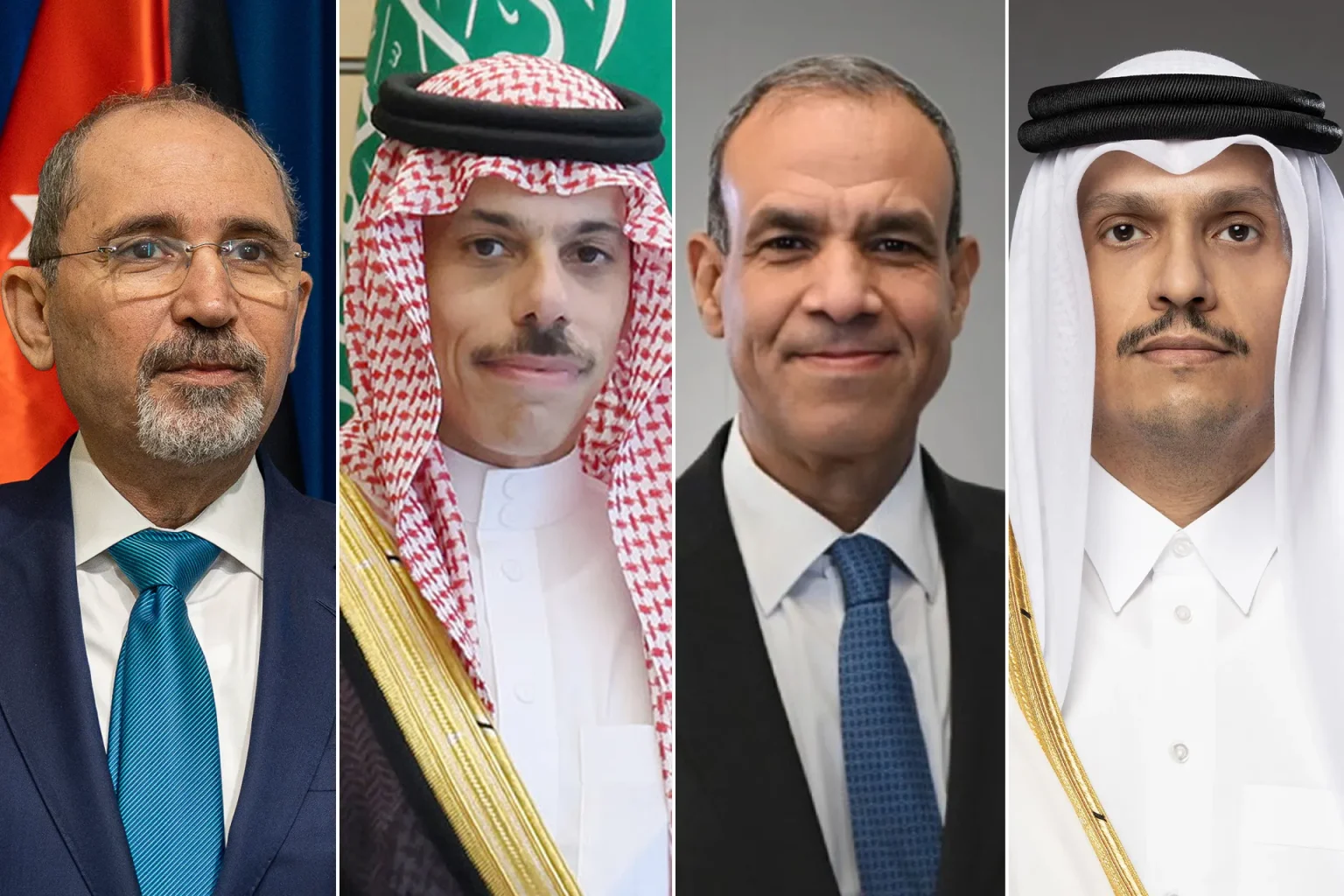
Officials said Sheikh Mohammed spoke by phone with Saudi Foreign Minister Prince Faisal bin Farhan to review bilateral cooperation and coordinate backing for mediation efforts. Additionally, Qatar’s foreign minister held calls with Egypt’s Foreign Minister Badr Abdelatty, Jordan’s Deputy Prime Minister and Foreign Minister Ayman Safadi, and Abu Dhabi’s influential security and policy figure Tahnoun bin Zayed Al Nahyan.
According to ministry statements, each conversation highlighted the need to support the Pakistani mediation initiative and to pursue steps that reduce tensions in the Gulf and wider region. Furthermore, the Qatari government emphasized opening channels for dialogue to address the underlying causes of the current crisis.
Qatar mediation: aims, messaging and regional coordination
The Qatari delegation framed Qatar mediation as facilitative rather than directive, officials said, underlining dialogue and peaceful resolution as the preferred path. Qatar has positioned itself as a regional interlocutor in recent years; therefore, its role in rallying regional capitals behind Pakistani mediation reflects a broader strategy to help manage spillover risks from US-Iran tensions.
Pakistani mediation has emerged as a preferred track for some parties because it allows backchannels between Washington and Tehran without formal multilateral bargaining. Meanwhile, Qatar’s calls aimed to align Gulf and Arab capitals on de-escalatory messaging that could support negotiators. Related secondary keywords in this context include Pakistani mediation and US-Iran talks, which officials referenced as central to reducing immediate threats to regional security.
Why Pakistani mediation matters for US-Iran talks
Diplomats and analysts say Pakistani mediation could provide practical advantages: Islamabad may offer discreet, trusted communication lines and a neutral platform acceptable to both sides. According to regional statements, the mediation seeks to bridge gaps in the US-Iran discussions and create conditions that prevent further escalation.
Pakistan’s involvement is also seen as a way to sidestep some formal diplomatic constraints and to encourage confidence-building measures. Therefore, Qatar mediation and regional support for Pakistan’s role are intended to amplify pressure for constructive negotiations and to keep open the possibility of incremental agreements that reduce military and diplomatic tensions.
Reactions from capitals and implications for regional stability
Saudi, Egyptian and Jordanian engagement with Qatar’s outreach indicates a common interest in preventing a broader confrontation. Officials in the capitals contacted by Doha reportedly welcomed coordination on messaging and measures that de-escalate risks to shipping lanes, energy markets and cross-border security.
Regional de-escalation remains a priority for Gulf Cooperation Council members and neighbouring states, given the potential economic and humanitarian consequences of a widened conflict. Furthermore, unified regional support for mediation efforts can buttress the legitimacy of negotiation channels and make it harder for spoilers to derail talks.
Qatar’s diplomatic posture and broader foreign policy context
Qatar mediation efforts reflect a continuation of Doha’s approach to act as a broker and facilitator in regional disputes, officials said. The Qatari government has previously hosted and supported various diplomatic tracks, and this round of phone diplomacy underscores Doha’s desire to be a constructive interlocutor amid heightened tensions.
Observers note that such diplomacy also serves Qatar’s broader interest in stability: calmer regional conditions reduce risks to energy exports, trade routes and foreign investment. Additionally, coordinated approaches among Gulf and Arab states may help build consensus around practical confidence-building measures in support of negotiators.
Next steps: what to watch
Observers should watch whether Pakistani mediators can secure preliminary understandings that reduce immediate risks of escalation and whether regional capitals formalize coordinated support for any agreement. According to official statements, further consultations among the involved foreign ministries may follow, aiming to synchronize public messaging and backchannel diplomacy.
In the short term, expect additional diplomatic contacts and possible shuttle diplomacy by mediators. Therefore, the pace of talks and any signs of reciprocal concessions in US-Iran discussions will be key indicators of whether Qatar mediation and regional coordination yield tangible progress.
Conclusion: cautious expectation for de-escalation
Qatar’s concerted outreach on 27 May 2026 signals an active regional push to back Pakistani mediation and stabilize US-Iran relations, officials indicated. While outcomes remain uncertain, the coordinated calls underscore a shared priority among Gulf and Arab states to reduce tensions and promote dialogue.
Readers should watch upcoming statements from mediators and foreign ministries in the coming days for concrete timelines or agreed confidence-building measures. Meanwhile, the durability of any breakthrough will depend on sustained diplomatic engagement and tangible steps to address the crisis’s root causes.