







Qatar-US phone call underscores push for Middle East de-escalation
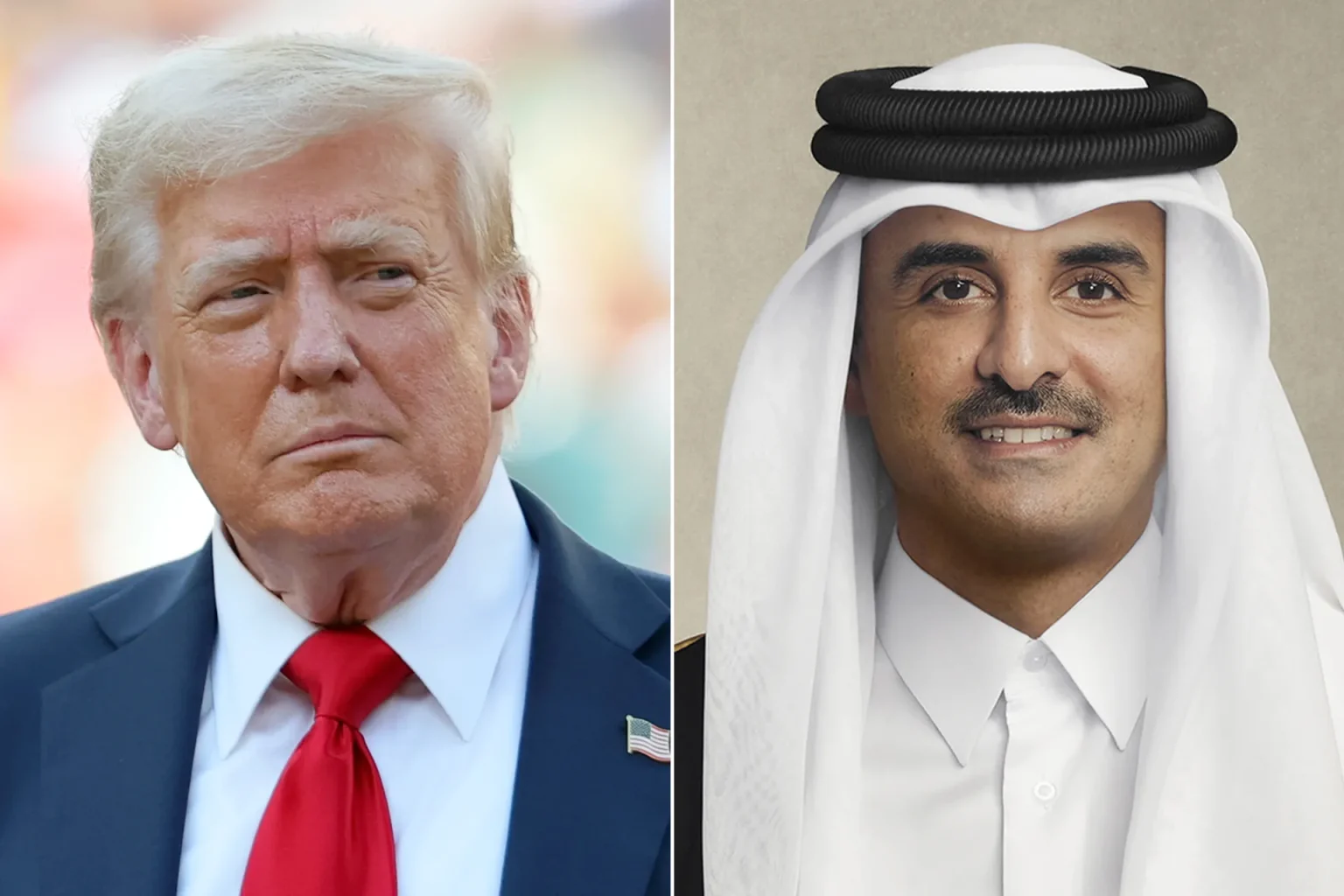
Doha — On May 28, 2026, Qatar’s Emir Sheikh Tamim bin Hamad Al Thani spoke by phone with U.S. President Donald Trump, according to a statement from the Qatari Amiri Diwan. The Qatar-US phone call addressed recent political and security developments across the Middle East and reinforced calls for diplomatic solutions to reduce tensions.
Officials said the leaders discussed regional efforts to lower the risk of escalation and highlighted Qatar’s role in supporting mediation channels. Meanwhile, the call also touched on broader cooperation between Doha and Washington in political and security areas.
Details of the exchange and Qatar mediation role
The Amiri Diwan’s statement outlined that Emir Sheikh Tamim stressed the importance of prioritizing political and diplomatic measures and engaging all parties in dialogue. According to the statement, the Emir urged dialogue as the best path to preserve regional stability and avoid further confrontation.
President Trump, the statement added, thanked Qatar for its support of Pakistani-led mediation efforts and commended Doha’s work to open lines of communication among concerned actors. Furthermore, the call reaffirmed the strategic relationship between the two countries and explored ways to deepen cooperation across multiple fields.
Regional context and drivers of the conversation
Analysts say the Qatar-US phone call comes amid heightened diplomatic activity as regional and international actors seek mechanisms for de-escalation. The Middle East de-escalation effort has involved a mix of bilateral outreach and third-party mediation, and Qatar has frequently positioned itself as a facilitator in such processes.
Qatar’s diplomatic posture, including active Qatar mediation in recent months, reflects its longstanding approach of maintaining ties across rival camps. In contrast, other regional foreign ministries have pursued parallel channels, producing a complex web of negotiations and confidence-building measures.
How Doha’s mediation fits into wider diplomacy
Doha’s engagement often focuses on back-channel contacts, humanitarian coordination, and shuttle diplomacy, according to diplomats familiar with the region. Therefore, Qatar mediation is viewed by some officials as complementary to larger international efforts rather than a standalone solution.
However, the effectiveness of those efforts depends on buy-in from principal parties and sustained international support. In this context, calls like the Qatar-US phone call aim to synchronize approaches and reduce the risk of miscalculation.
Implications for US-Qatar relations and security cooperation
The leaders’ discussion also addressed the strategic partnership between Doha and Washington and potential avenues for enhanced collaboration. Officials noted that closer coordination on regional security issues and diplomatic initiatives could serve mutual interests.
Furthermore, the exchange signaled U.S. appreciation for Qatar’s facilitation roles, which may bolster Doha’s diplomatic standing and open opportunities for wider cooperation. At the same time, observers caution that long-term stability requires concrete confidence-building measures that go beyond episodic talks.
International reaction and the role of Pakistani mediation
The Qatari statement highlighted Pakistan’s mediation efforts as an active element in the current diplomatic landscape. International actors, including regional states and external partners, have varied responses to third-party mediation depending on their strategic concerns and priorities.
According to available statements, the emphasis on Pakistani-led initiatives reflects an effort to broaden the mediation base and draw on states perceived as less directly involved in regional rivalries. Therefore, this triangulation of Qatar, Pakistan and the United States aims to create space for calm and negotiation.
What this means for the coming days and next steps
Officials suggest follow-up diplomatic contacts are likely as parties seek to translate dialogue into concrete de-escalation steps. Observers should watch for further statements from ministries of foreign affairs, subsequent high-level calls, or meetings that could indicate movement toward confidence-building measures.
Furthermore, developments at multilateral venues and statements from regional organizations may provide indications of whether the momentum from the Qatar-US phone call leads to sustained engagement or remains a temporary diplomatic exchange.
Conclusion and what to watch next
The Qatar-US phone call on May 28, 2026, according to the Amiri Diwan, reaffirmed Doha’s emphasis on political solutions and highlighted Washington’s recognition of Qatar’s mediating role. In the short term, expect additional diplomatic outreach and potential coordination among third-party mediators.
Readers should monitor official communiqués from the Qatari Amiri Diwan, the White House, and foreign ministries engaged in the region for signs of concrete follow-up steps. Additionally, any announced timelines for talks or third-party meetings will be the key indicators of whether this exchange leads to measurable progress in de-escalation.