





Death of Mohammed Ouda and platform reactions
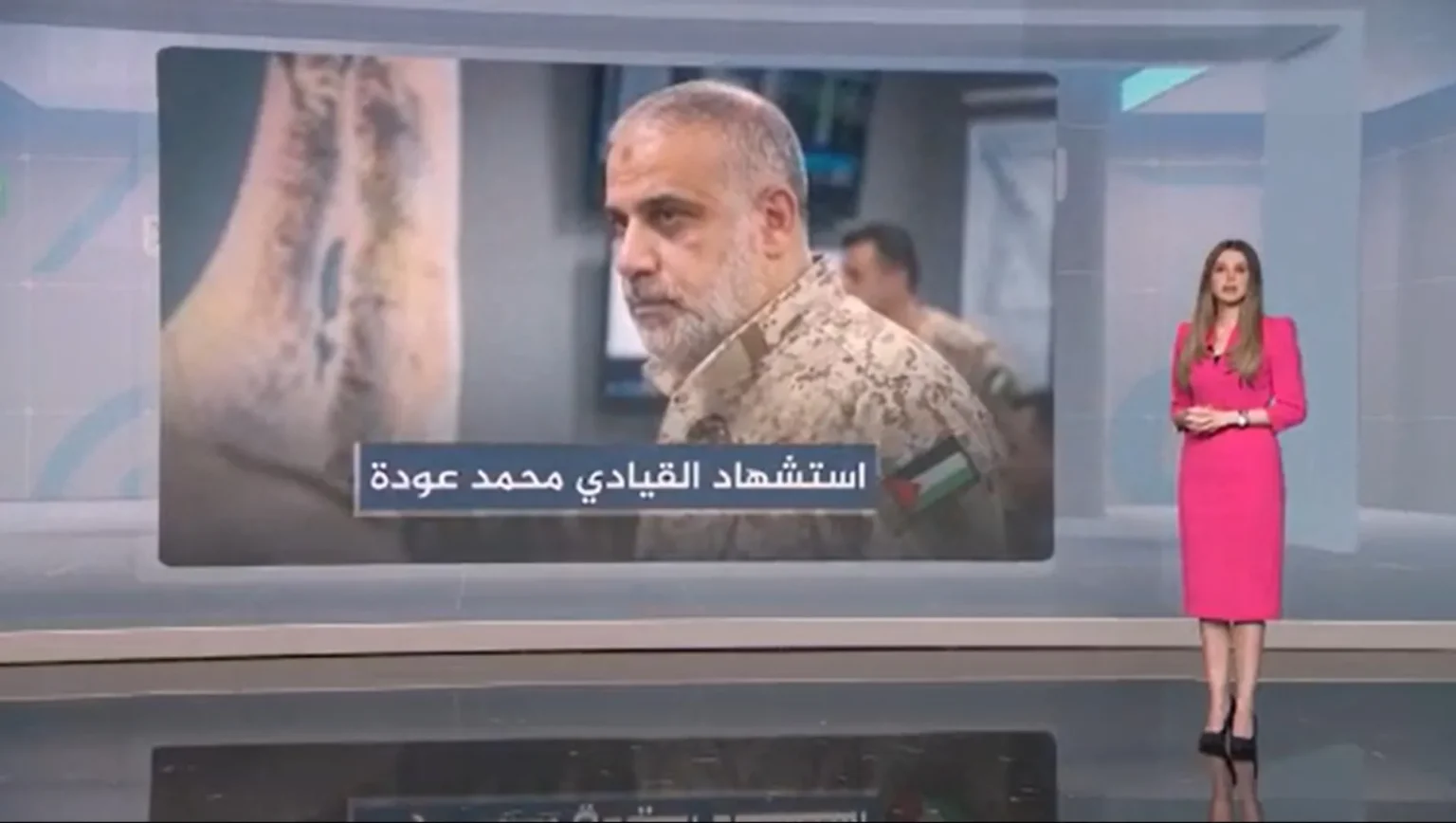
On 27 May 2026 the Arabic program “Shabakat” covered the reported killing of Mohammed Ouda, a senior commander in the Izz al-Din al-Qassam Brigades, in an Israeli strike on a home in Gaza. The episode said that Israeli statements and social-media posts recognized Ouda’s operational role, and it noted widespread online mourning and calls that his death would not end resistance.
According to the program, reactions across platforms mixed memorials, militant praise and political debate that framed Ouda’s killing within the broader Gaza conflict. Meanwhile, analysts on the show cautioned that the public response on social networks is shaping narratives even as battlefield reporting remains contested.
Mohammed Ouda: implications for Gaza tensions
The program suggested that the reported death of Mohammed Ouda could influence both tactical dynamics on the ground and information operations online. Furthermore, officials and commentators interviewed on the broadcast connected the killing to recent rounds of escalation and signaled potential reprisal risks, the show reported.
Humanitarian groups and local authorities have previously warned that leadership losses in armed groups can alter command cohesion and civilian security, according to independent analysts referenced in the episode. Therefore, observers said attention should focus on possible shifts in militant organization and civilian displacement in Gaza in the short term.
Europe heatwave and public health impacts
“Shabakat” also examined an exceptional heatwave sweeping large parts of Europe in May, where meteorological services recorded unusually high temperatures for the month. The episode highlighted a “heat dome” pattern and public-health responses after authorities in several countries issued heat warnings and reported heat-related fatalities.
Public commentary ranged from urgent climate-change warnings to comparisons of Mediterranean summers, the program noted. Scientists on the show explained that heat extremes now often occur outside the traditional summer months, increasing strain on health systems and infrastructure, while urban areas face amplified risk due to the urban heat island effect.
Additionally, the episode cited emergency-room admissions and cautions for vulnerable groups such as the elderly and outdoor workers. Policymakers are being urged to update heat plans and invest in cooling centers, resilient water supplies and early-warning systems to reduce mortality in future events.
Hollywood, Michael Bay and the Iran‑US rescue film
The show reviewed a Deadline report about a forthcoming Hollywood movie by director Michael Bay that dramatizes an alleged rescue of American pilots in Iran. The program discussed the timing of the release amid ongoing geopolitical frictions and raised questions about collaboration between filmmakers and the U.S. Department of Defense, which can shape access and content.
Cultural critics interviewed on “Shabakat” argued that films co-produced with military agencies can influence public perception of foreign policy and conflict. Meanwhile, defenders said cooperation can improve technical accuracy. The episode did not assert a political motive but emphasized scrutiny of dramatized accounts that may simplify complex diplomatic realities.
Population study warns of planetary limits
Another segment focused on a scientific study warning that human consumption is outstripping the planet’s sustainable capacity, estimating that current resources reliably support far fewer people than projected demographic scenarios. The program relayed concerns about freshwater shortages, biodiversity loss and the environmental footprint of high consumption patterns.
Experts on the show pointed to the study’s suggestion that unchecked population growth, combined with rising per-capita resource use, could exacerbate food and water insecurity. Therefore, policy responses discussed included investments in sustainable agriculture, water management and family-planning services, alongside economic measures to reduce wasteful consumption.
How audiences are reacting across topics
Throughout the episode, social-media responses were highlighted as a barometer for public sentiment on each story. For example, posts commemorating Mohammed Ouda were juxtaposed with debates about media representation of conflict, while discussions of the Europe heatwave often linked local experience to broader climate science.
Similarly, commentary on the Michael Bay film mixed cinematic anticipation with skepticism about political messaging, and threads about the population study tended to connect scientific warnings to everyday concerns about water, food prices and local biodiversity. The program emphasized that online discourse both reflects and shapes policy conversations.
Context and international reactions to the stories
The episode placed each headline in regional and global context: Gaza’s volatile security environment, Europe’s changing climate patterns documented by meteorological agencies, Hollywood’s long history of defense collaboration and the global scientific consensus on planetary boundaries. Observers cited by the show urged careful verification and cross-referencing of official statements and independent data.
Therefore, viewers were advised to consult multiple sources for developments, including statements from health ministries, meteorological services, academic journals and reputable news outlets. The program framed this approach as necessary to distinguish verified facts from propaganda or unconfirmed social-media claims.
What to watch next
Looking ahead, the program recommended monitoring several near-term indicators: official statements or follow-up reporting on the reported killing of Mohammed Ouda and any related security developments in Gaza; meteorological updates and mortality reports as the Europe heatwave evolves; production and Pentagon disclosures about the Michael Bay project; and peer review or policy reactions to the population study.
In conclusion, the episode of “Shabakat” on 27 May 2026 connected discrete events under broader themes of conflict, climate, media influence and environmental limits. Viewers should watch official briefings, peer-reviewed science and independent reporting in the coming days to track how each story develops and what policy responses may follow.