






How policy shifts, technology, demographics and labor-market demands are re‑shaping learning across the Gulf Cooperation Council (GCC).
Introduction
Over the past decade the Gulf region has moved from an education system shaped largely by historical patterns and reliance on a few established pathways, to one increasingly defined by experimentation and rapid change. Governments, universities, schools, employers and startups are responding to the same signal: the old model — linear progression from school to university to a single long-term job — no longer serves a young, connected population or diversified economies.
Key drivers of change
Economic diversification and workforce needs
Ambitious national plans — often labelled under broad visions — are driving investment in non‑oil sectors: technology, finance, tourism, renewable energy, health care and creative industries. That shifts priorities toward skills such as coding, data literacy, digital services, entrepreneurship and soft skills like problem solving and collaboration.
Demographics and social expectations
The Gulf has a large young population and very high urbanization and internet usage levels. Young people expect relevant, flexible pathways to meaningful employment and global opportunities. There is also growing demand from families for bilingual or international curricula and for education that leads directly to jobs.
Technology and the rise of EdTech
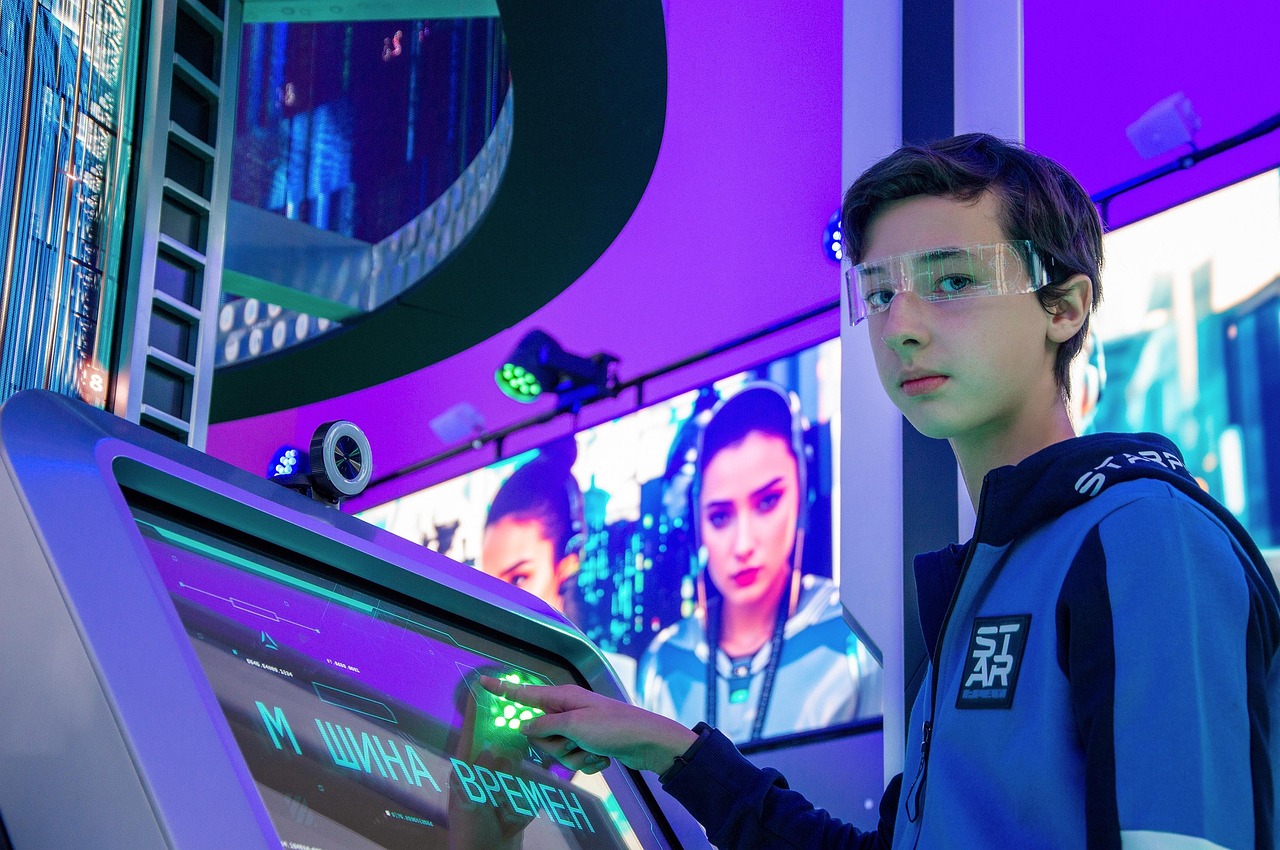
Widespread broadband, mobile penetration and investment in digital infrastructure make remote, blended and personalized learning viable at scale. Artificial intelligence, adaptive learning platforms, immersive tools (AR/VR) and microcredentialing are no longer niche — they are being piloted and rolled out in schools, universities and corporate learning.
Policy reform and international partnerships
Ministries of education and higher education regulators are revising standards, accreditation, and funding models to encourage private investment, branch campuses, and qualifications that align with international labor markets. Partnerships with global universities, certification bodies and private providers are accelerating transfer of knowledge and institutional innovation.
Emerging models and priorities
- Hybrid and personalized learning: blended classroom and online models tailored to individual learner trajectories.
- Competency‑based and skills‑focused credentials: modular, stackable microcredentials and vocational pathways that recognize mastery rather than time spent in class.
- STEAM and interdisciplinary learning: integration of science, technology, engineering, arts and mathematics with emphasis on project‑based learning.
- Lifelong learning ecosystems: continuous reskilling/upskilling programs delivered through employers, community institutions and online providers.
- Private–public collaboration: workforce partnerships that co-design curricula, apprenticeships and hiring pipelines.
Notable regional trends and examples
Several Gulf states are already visible drivers of change: large investments in higher education and research, attractively funded national scholarship programs, and the presence of international branch campuses and global research partnerships. Governments are funding centers for innovation and entrepreneurship and piloting AI and coding literacy in school curricula. Accelerators and venture funds are also nurturing a local EdTech ecosystem.
Challenges and caveats
Transformation is uneven. Key challenges include:
- Equity and access: While urban and privileged populations benefit quickly, rural or lower‑income groups may lag without targeted policy and investment.
- Teacher capacity: New models require teacher training, different assessment practices and incentives — upgrading teaching skills at scale takes time.
- Quality and recognition: Rapid growth in private providers and microcredentials raises questions about standards, portability and employer recognition.
- Cultural and language balance: Navigating the right blend of Arabic, English (or other languages) and contextualized content is important to preserve identity while enabling global mobility.
What it means for stakeholders
Students and families
Expect more varied pathways — apprenticeships, bootcamps, online degrees and short courses — that can complement or replace traditional degrees for certain careers. Students will need to be more proactive about lifelong learning and credential selection.
Teachers and institutions
Educators must adapt to blended pedagogy, new assessment methods and a stronger emphasis on career guidance. Institutions that pivot toward flexible offerings and industry partnerships will be more resilient.
Employers and investors
Employers will increasingly co‑design training and hire for demonstrated skills rather than credentialism alone. Investors will find opportunities in EdTech platforms, vocational training providers, and services that bridge education and employment.
Policy recommendations and early actions
- Prioritize teacher professional development tied to new curricula and digital pedagogy.
- Create transparent frameworks for accreditation and microcredential recognition so employers can trust new learning pathways.
- Invest in connectivity and targeted support to ensure equity of access.
- Encourage industry partnerships that co‑fund apprenticeships and practical learning opportunities.
- Protect cultural and linguistic priorities while enabling multilingual and globally relevant instruction.
Conclusion — a different but promising future
The future of education in the Gulf will look different because it must — economies are diversifying, technology is changing how people learn and work, and young populations demand options that lead to meaningful employment. Transitioning effectively will require intentional policy, investment in human capital (especially teachers), and strong links between learning and labor markets. If managed well, these changes can create more inclusive, flexible and future‑ready education systems that serve both national development goals and individual aspirations.