






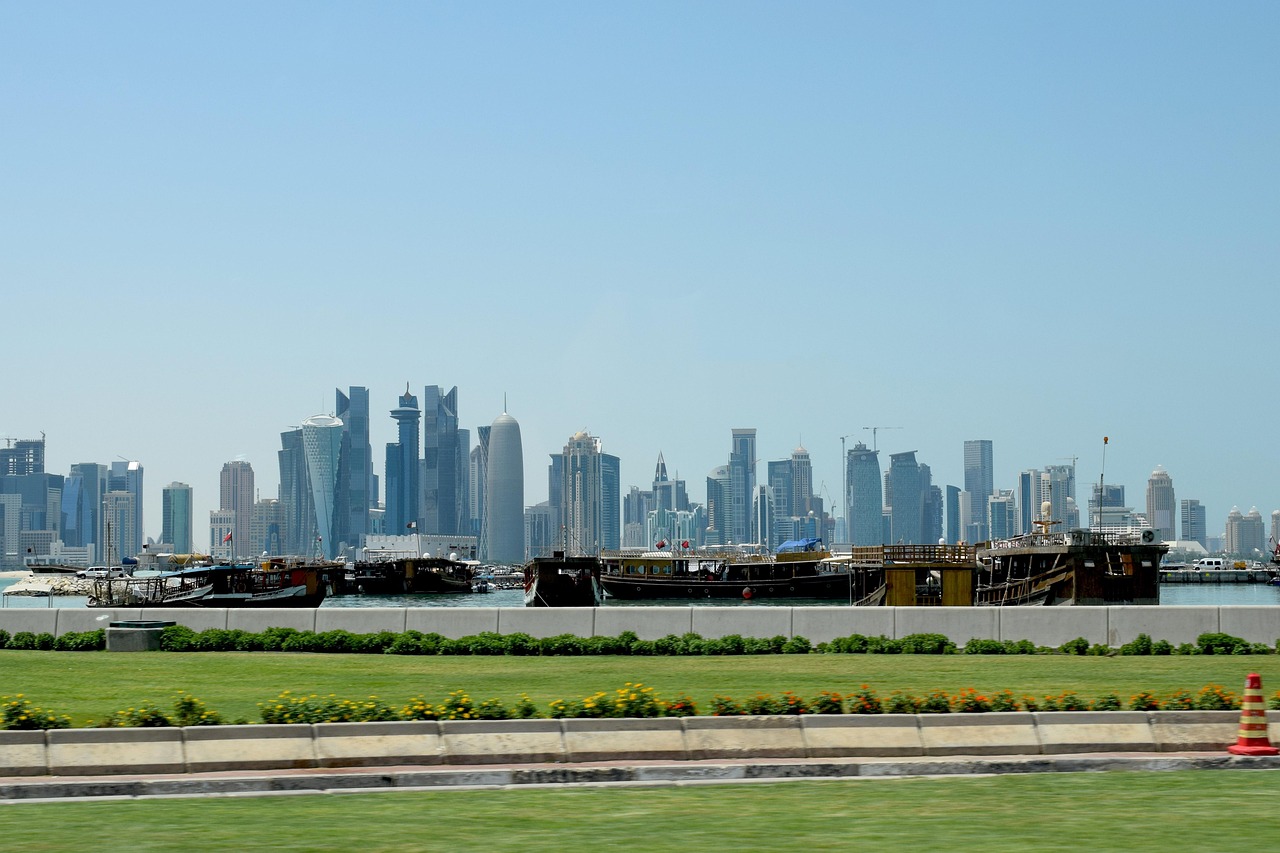

Quick Answer
The best business opportunities in Qatar for foreigners are in sectors tied to infrastructure, hospitality and tourism, logistics, energy-related services, fintech, healthcare, education, and technology. Doha is the commercial hub, and recent government initiatives, free zones, and major projects have opened spaces for foreign investors—though local regulations and sponsorship requirements vary, so check official sources and consult a local corporate advisor before committing.
Introduction
Qatar is a compact, wealthy market with a clear focus on diversification away from hydrocarbons. The combination of long-term development plans, world-class infrastructure, and a high per-capita income creates attractive niches for foreign entrepreneurs and investors. For anyone asking about the best business opportunities in Qatar for foreigners, the answer depends on your industry expertise, appetite for local partnerships, and ability to navigate regulatory details.
Doha, anchored by Hamad International Airport and a growing network of free zones and financial centers, is the natural base for most international businesses. Below I outline sectors with the best prospects, practical steps to get started, common mistakes to avoid, and travel advice for planning a visit to evaluate opportunities in person.
Key Takeaways
- Top sectors: construction & engineering services, hospitality & tourism, logistics, healthcare, education, fintech, and technology startups.
- Doha and free zones such as the Qatar Financial Centre and Qatar Free Zones Authority are the primary entry points.
- Foreigners should verify ownership rules, licensing paths, and visa options with official Qatari authorities or a local law firm.
- Cultural awareness and the right local partner or service provider significantly increase the chance of success.
Top Sectors and Why They Work
Construction, Engineering and Project Services
Demand for specialized contractors, project managers, and engineering consultancies remains strong because of ongoing infrastructure, residential, and commercial projects. Foreign firms with proven safety records, technical expertise, or niche capabilities (M&E, sustainable construction, precast components) find steady work through tenders and subcontracts.
Hospitality, Tourism and Event Services
Qatar’s focus on tourism, legacy events, and high-end hospitality means opportunities for boutique hotels, tour operators, F&B brands, and event management firms. Doha’s hotel market and visitor services continue to diversify, creating room for international concepts and experiential travel offers.
Logistics, Warehousing and Freight Forwarding
With a strategic location in the Gulf and excellent air and sea links, logistics companies that offer cold-chain, e-commerce fulfillment, and value-added warehousing stand to benefit. The expansion of Hamad Port and airfreight capacity makes Qatar a regional logistics node.
Fintech, Financial Services and Payment Solutions
Qatar’s financial regulators are modernizing frameworks to support fintech, digital payments, and Islamic finance innovation. Services that help banks, retailers, and SMEs digitize payments or manage compliance are in demand, especially within Doha’s financial precincts and free zones.
Healthcare, Medical Devices and Private Clinics
An affluent population and public spending on healthcare open opportunities for private hospitals, specialist clinics, and providers of medical equipment and telemedicine solutions. Partnerships with established local healthcare groups are common paths to market access.
Education and Professional Training
There’s steady need for private K–12 schools, vocational training, and corporate upskilling programs—especially those offering international curricula, technical skills, or language training. International universities and training providers have set up branches or partnerships in Doha.
Technology, Startups and Clean Energy
Tech startups—AI, IoT, green energy services, and smart-city solutions—can leverage Qatar’s research hubs and incubators. The Qatar Science & Technology Park and other innovation initiatives give access to grants, mentors, and co-working ecosystems for high-tech entrants.
Practical Steps to Start a Business in Qatar
- Research market demand in Doha and other municipalities; visit in person through a short business trip via Hamad International Airport (DOH).
- Decide on a legal structure—branch, LLC, or a free-zone entity—and confirm foreign ownership and licensing rules with Qatar Financial Centre (QFC) or Qatar Free Zones Authority (QFZA).
- Engage a local corporate lawyer or business consultancy to assist with registration, banking, and immigration paperwork.
- Plan for local staff recruitment, office leases, and VAT/compliance requirements where applicable.
- Arrange appropriate travel and business insurance for due diligence visits and early-stage operations.
Comparison Table: Sectors at a Glance
| Sector | Why It’s Attractive | Entry Tip |
|---|---|---|
| Construction & Engineering | Large projects, ongoing urban development | Partner with established contractors; bid for subcontracts |
| Hospitality & Tourism | High-spending visitors, event legacy | Introduce differentiated F&B or boutique hotel concepts |
| Logistics | Strategic hub location, infrastructure upgrades | Focus on e-commerce fulfillment and cold chain |
| Fintech | Regulatory openness and demand for digital services | Apply through QFC or partner with local banks |
| Healthcare & Education | High-quality services in demand | Seek clinical or academic partnerships with local institutions |
Common Mistakes to Avoid
- Underestimating the importance of a local partner or sponsor where required. Always clarify ownership rules early.
- Skipping on-the-ground visits. Remote research is valuable, but seeing Doha neighborhoods, free zones, and client sites matters.
- Assuming one-size-fits-all. Regulations differ between the Qatar Financial Centre, Free Zones, and mainland—license types, taxes, and labor rules vary.
- Ignoring cultural and business etiquette—timing meetings, dress codes, and formal introductions affect outcomes.
Best Tips for Planning Your Trip
Plan a focused business trip to Doha around company registration visits, meetings with potential partners, and site inspections. Fly into Hamad International Airport (DOH), which serves many international routes via Qatar Airways and other carriers.
Book centrally located accommodation in West Bay or the Corniche to minimize commute time to government offices and the financial district. Schedule meetings mid-week—Sunday to Thursday are typical business days in Qatar—and allow built-in time for paperwork and translation.
Before travel, check visa requirements with the nearest Qatari consulate or the Ministry of Interior, arrange travel insurance that covers business activity, and prepare copies of corporate documents translated into English or Arabic if requested. Also note cultural observances such as Ramadan which affect opening hours and social norms.
Is it worth it? Who is this best for?
Yes—if you have a clear value proposition, sector expertise, and willingness to build local relationships. Qatar offers strong purchasing power, concentrated projects, and targeted incentives in free zones. However, it’s best for businesses that can adapt to a regulated environment and leverage partnerships.
Ideal entrants are specialist consultants, boutique hospitality operators, logistics providers, healthcare specialists, fintech firms with regulatory-compliant products, and B2B technology vendors. Smaller consumer-facing brands should be prepared for higher entry costs and competition from established international names.
Practical Travel and Business Etiquette
Dress conservatively in public and during business meetings. Use formal titles and arrange introductions through a local contact when possible. Punctuality is valued in corporate contexts, and business cards are commonly exchanged.
Language is not usually a barrier—English is widely used in business—but hiring local staff or translators for legal documentation and negotiations helps. Respect local laws about alcohol, public behavior, and photography—especially near government buildings and certain cultural sites.
Conclusion
Qatar presents compelling opportunities for foreigners across construction, hospitality, logistics, fintech, healthcare, education, and technology. Success depends on choosing the right sector, understanding licensing and ownership frameworks, visiting Doha to meet partners in person, and learning local business customs. Use Doha as your operational base, consult official agencies like QFC and QFZA, and work with trusted local advisors to turn opportunity into sustainable business.
Frequently Asked Questions
How easy is it for foreigners to start a business in Qatar?
Answer: It is doable but requires navigating regulations and sometimes local partnership rules. Explanation: Company formation procedures differ by jurisdiction (mainland, QFC, free zones), so consult local authorities or a corporate service provider for step-by-step guidance.
Do foreigners need a local sponsor or partner?
Answer: It depends on the legal structure and the sector. Explanation: Some licenses and mainland entities may require local participation or a Qatari sponsor; free zone entities and QFC companies offer alternative ownership models—verify specific rules before deciding.
Which city should I base my business in?
Answer: Doha is the primary base for most foreign businesses. Explanation: Doha hosts the financial district, government ministries, major hotels, and Hamad International Airport, making it the practical hub for market access across Qatar.
Are there free zones that make it easier for foreign investors?
Answer: Yes, Qatar has dedicated free zones and the Qatar Financial Centre for certain business types. Explanation: Free zones offer streamlined licensing and incentives, but each has its own rules—review QFZA and QFC guidance to pick the right zone for your activity.
What travel documents do I need to visit Qatar for business?
Answer: You typically need a valid passport and the correct visa type for business visits. Explanation: Visa policies change; check the Qatari Ministry of Interior or local consulate website for up-to-date entry requirements before travel.
Is Doha expensive for setting up an office and living?
Answer: Costs can be high, particularly for prime office space and international schooling. Explanation: Qatar’s standard of living is elevated; factor in rent, utilities, and staff costs when planning your budget and consider free-zone incentives to reduce initial expenditures.
Can I hire expatriate staff in Qatar?
Answer: Yes, many businesses hire expatriate employees under work visas. Explanation: Employment requires proper contracts and residency permits; engage a local HR or recruitment firm to manage work permits and compliance.