





Across the Gulf Cooperation Council (GCC) — Saudi Arabia, the United Arab Emirates, Qatar, Kuwait, Bahrain and Oman — sustainable living has shifted from a niche interest to a mainstream priority. Several intertwined environmental, economic and social factors are driving this trend.
1. Environmental realities: heat, water scarcity and coastal risk
GCC countries face acute environmental stressors: extreme heat, limited freshwater, fragile desert ecosystems and long coastlines vulnerable to sea-level rise. These conditions make resource efficiency and resilient design not only attractive but necessary. Households and communities increasingly see water-saving measures, energy-efficient cooling, and climate-adaptive construction as practical ways to protect comfort, health and livelihoods.
2. National strategies and government leadership
Governments in the region have placed sustainability at the center of long-term planning. High-level initiatives and national visions emphasize economic diversification, emissions reduction and resilient infrastructure. Examples include renewable energy targets, green building regulations, and national sustainability strategies that provide regulatory frameworks, incentives and public investments. This top-down leadership has legitimized and accelerated sustainable practices across both public and private sectors.
3. Economic diversification and energy transition
GCC economies are shifting away from heavy reliance on fossil-fuel revenues. Diversification programs encourage investment in clean energy, sustainable tourism, green manufacturing and knowledge-based industries. Large-scale renewable projects, green cities and sustainable mega-developments demonstrate new economic pathways and create jobs in low-carbon sectors, making sustainable living more attractive as both an individual choice and a national priority.
4. Visible investments and flagship projects
High-profile projects — from renewable-power parks and sustainable urban developments to research hubs — have raised public awareness and created local examples of what sustainability can look like. These projects also attract private capital and international partnerships, helping to normalize green technologies and sustainable lifestyles among residents and businesses.
5. Technology, innovation and affordability
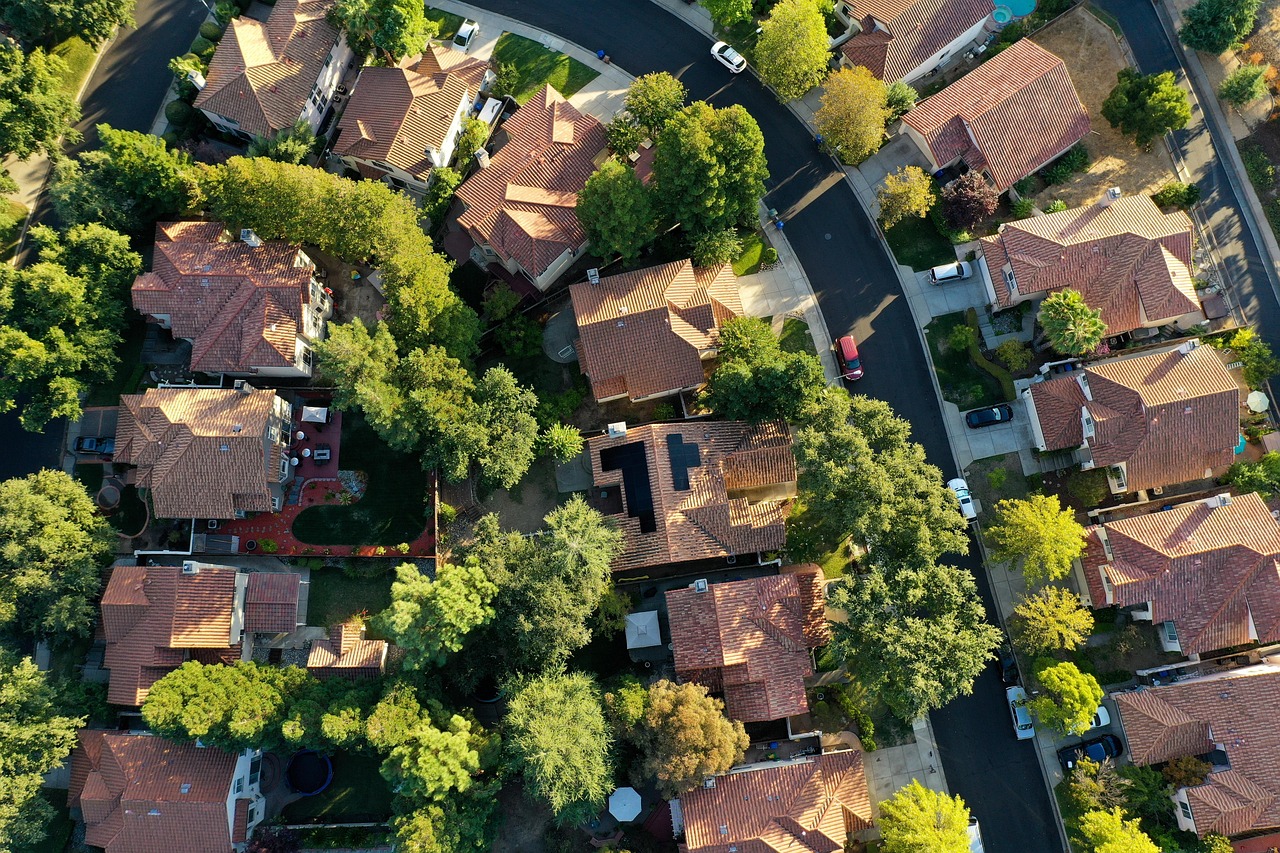
Technological advances and falling costs for solar panels, energy-efficient appliances, LED lighting and smart meters have made sustainable options more accessible. Digital tools for energy management, water monitoring and home automation help residents reduce bills while minimizing environmental impact. As upfront costs decline and payback periods shorten, adoption accelerates.
6. Youth, education and social awareness
A young, urban and increasingly connected population is pivotal. Greater environmental awareness through schools, universities and social media, combined with global exposure, has produced stronger demand for sustainable consumption, ethical brands and green lifestyles. Youth activism, entrepreneurship and community-led initiatives encourage peers and policymakers to embrace long-term thinking.
7. Private sector and finance
Businesses are responding to consumer demand and investor expectations by offering greener products and services. Financial instruments such as green bonds, sustainability-linked loans and ESG-focused funds have increased the flow of capital into sustainable projects. Corporations also adopt sustainability commitments that spur supply-chain improvements, waste reduction and energy efficiency.
8. Public health and quality-of-life co-benefits
Sustainable living choices—better air quality, less indoor heat stress, walkable neighborhoods, reduced waste and healthier diets—deliver immediate quality-of-life improvements. These visible benefits help convince individuals and families to adopt energy-saving behaviors, recycle more and support green public policies.
9. Cultural and lifestyle shifts
Traditional hospitality and community values in the region can align well with sustainable practices: collective resource stewardship, conservation of local environments and pride in modern, resilient cities. As sustainability becomes associated with modernity, national pride and economic opportunity, it gains cultural traction.
10. Challenges and the path ahead
Barriers remain. High temperatures and the legacy of energy-subsidy structures can dampen incentives for conservation. Large, resource-intensive lifestyles and rapid urban growth create ongoing pressure on water, waste and energy systems. Overcoming these challenges requires continued policy alignment, targeted incentives, education, improved waste management and large-scale investments in grid modernization, desalination efficiency and circular-economy solutions.
- Policy consistency and enforcement of green building codes
- Scaling affordable clean cooling and water-saving technologies
- Expanding recycling, composting and waste-to-energy solutions
- Ensuring equitable access to sustainable choices for all income groups
Conclusion: momentum and opportunity
The popularity of sustainable living in GCC countries is the product of converging factors: environmental necessity, national strategies for resilient growth, falling tech costs, youth engagement and expanding green finance. The region is moving from pilot projects to systemic change. If governments, businesses and communities sustain momentum—scaling solutions, incentivizing behavior change and investing in resilient infrastructure—the Gulf can chart a path that strengthens both local quality of life and global climate resilience.