






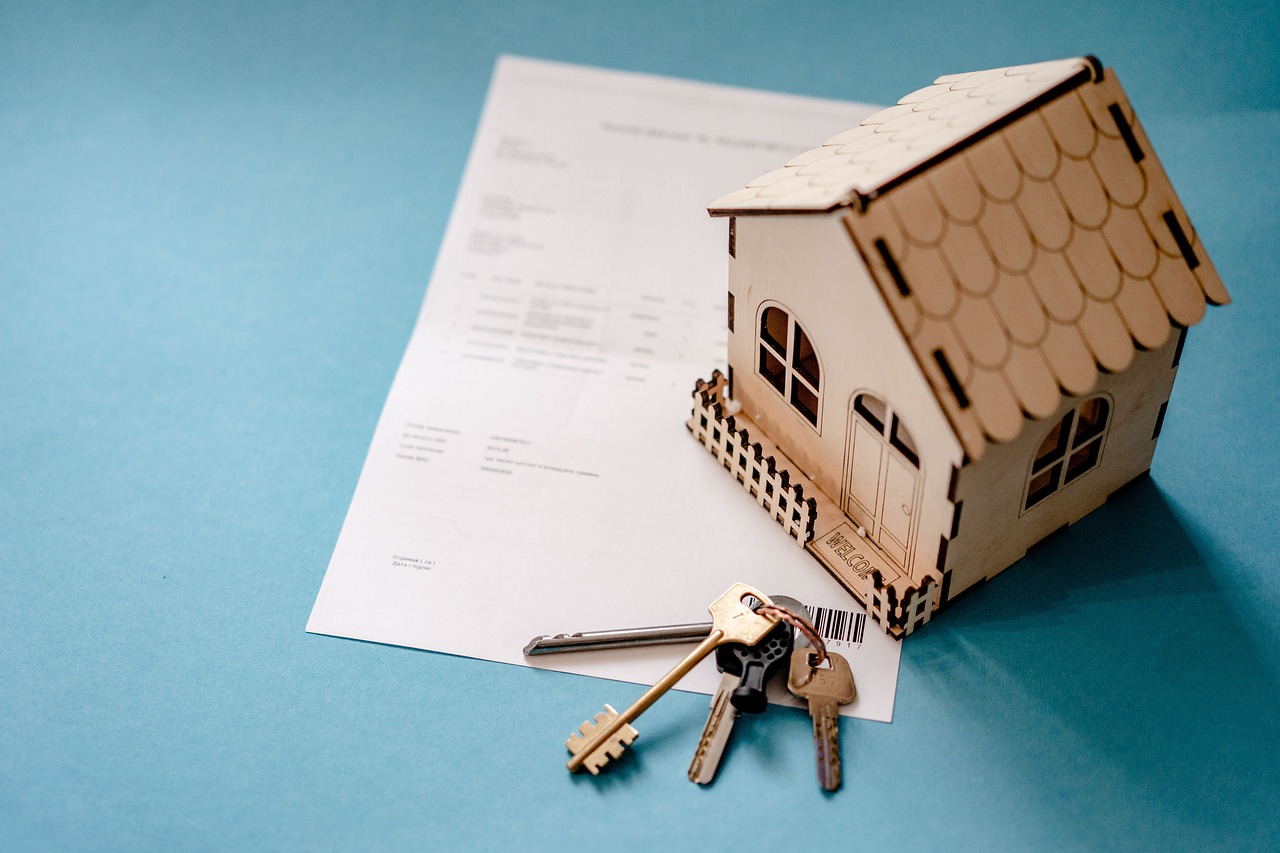

Buying a home remains one of the most important financial decisions many people make. While housing markets and interest rates have shifted in recent years, the core economic and personal benefits of home ownership continue to make it a compelling long-term investment.
1. Long-term appreciation and equity-building
Over multi-decade horizons, residential real estate historically appreciates in value. When you buy a home and pay down a mortgage, you convert monthly housing payments into equity—ownership stake in an asset—rather than paying rent to a landlord. That equity can fund future goals like retirement, education, or a down payment on a next home.
2. Hedge against inflation
Real assets such as homes tend to hold value better than cash during inflationary periods. Mortgage debt is typically fixed-rate for many homeowners, so monthly principal-and-interest payments remain stable even if general prices rise—effectively reducing the burden of that debt in real terms over time.
3. Forced savings and predictable housing costs
Mortgage amortization acts as a form of enforced saving. Each monthly payment increases your ownership stake. In addition, fixed-rate mortgages give borrowers predictability—unlike rent, which can rise annually—making long-term budgeting easier.
4. Rental income and diversification
Owning property creates options. You can live in the home, rent it out for supplemental income, or convert it into short-term rental inventory depending on local regulations and market demand. Real estate also diversifies a portfolio that might otherwise be concentrated in stocks and bonds.
5. Structural supply constraints and demographic tailwinds
In many regions, housing supply has not kept pace with population growth and household formation, which supports long-term price resilience. Demographic trends—such as millennial homebuying and continued urban-suburban shifts—can sustain demand for owner-occupied homes and rentals.
6. Tax and non-financial benefits
Depending on your jurisdiction and tax situation, home ownership may provide tax advantages (interest or property tax deductions, capital gains exclusions on primary residences, etc.). Beyond finance, owning a home often delivers greater control over living space, privacy, stability for families, and the freedom to remodel or personalize your environment.
7. Considerations that matter in 2026
- Mortgage rates and affordability: Interest rates have been more variable in recent years. Your buying power depends heavily on current rates, loan type, and down payment size—so shop around and compare loan terms.
- Local market dynamics: National headlines don’t replace local research. Median prices, inventory, job growth, and zoning rules vary widely by metro area.
- Holding period: Real estate is illiquid and transaction costs are meaningful. A multi-year (typically 5–10+ years) holding period lowers the risk of short-term losses from market volatility.
- Maintenance and carrying costs: Budget for maintenance, insurance, property taxes, HOA fees, and potential vacancies if you rent.
8. Risks and when to pause
Home ownership is not universally the right choice. Consider renting or delaying if:
- Your career or personal life is likely to require relocation in the near term.
- You don’t have an emergency fund to cover repairs or income interruptions.
- High local home prices or expected job losses make the market uncertain.
- You prefer greater financial liquidity or simpler lifestyle flexibility.
9. Practical tips for buyers in 2026
- Get prequalified so you understand budget and loan options before house hunting.
- Consider the total cost of ownership, not just the mortgage payment—include taxes, insurance, utilities, and maintenance.
- Compare mortgage types (fixed vs. adjustable), terms, and lender fees; negotiate when possible.
- Put money into a contingency fund equal to several months of mortgage and living expenses.
- Think long-term: choose locations with strong schools, access to jobs, transportation, and future demand drivers.
- Explore energy-efficient upgrades and resilience improvements that can reduce operating costs and improve resale value.
10. Bottom line
Home ownership in 2026 remains a smart investment for many people because it combines the potential for long-term appreciation, inflation protection, forced savings through equity-building, and personal benefits that renting cannot fully replicate. That said, success depends on timing, local market selection, financing choices, and realistic budgeting for costs and risks. Evaluate your financial readiness, time horizon, and goals—and consult a trusted financial advisor or housing professional to tailor decisions to your situation.