





DEWA governance earns global recognition with two Cambridge IFA awards
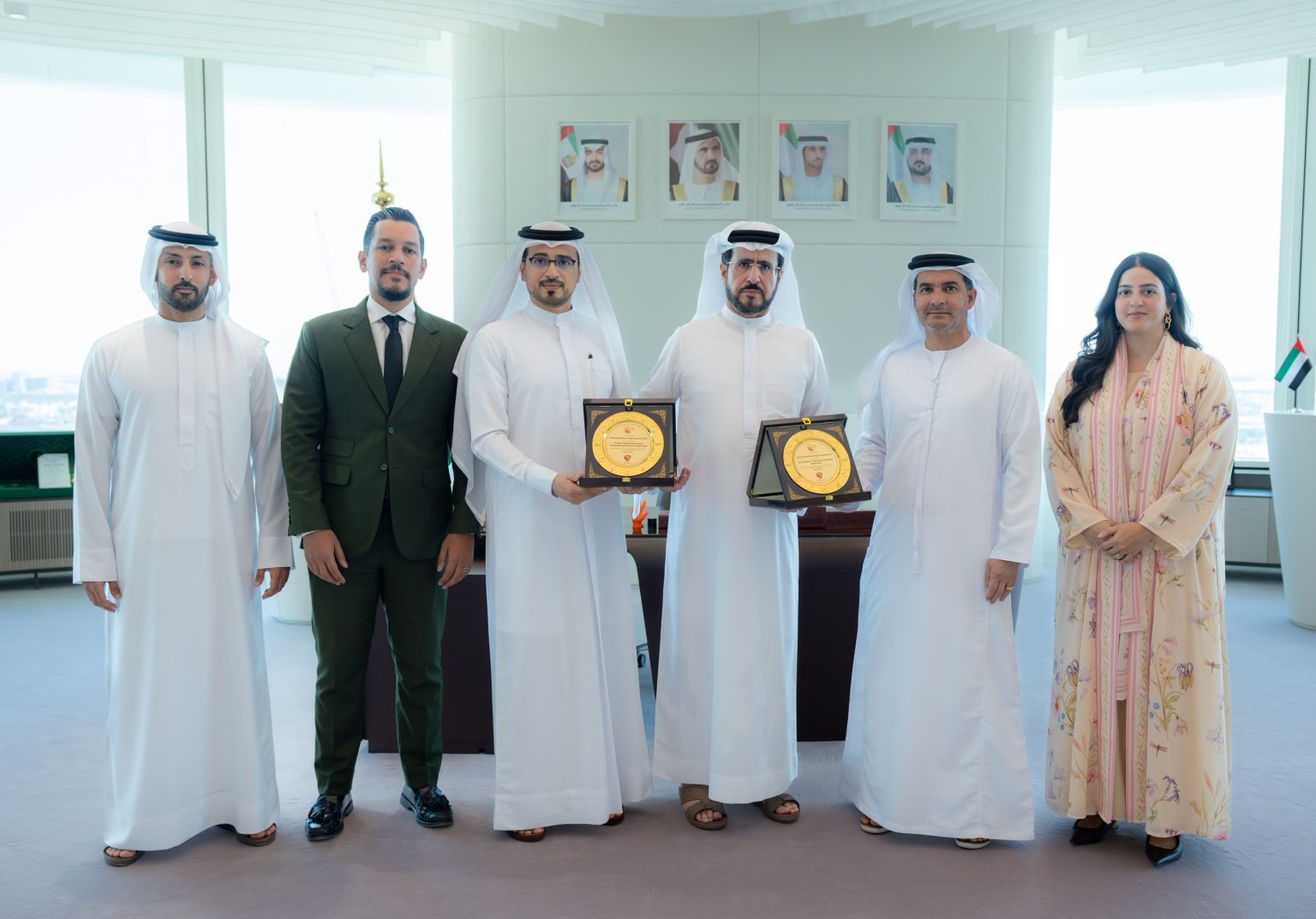
Dubai Electricity and Water Authority (DEWA governance) received two prestigious global awards from Cambridge IFA in the United Kingdom: Best Corporate Governance Framework 2026 and Excellence in ESG Governance and Sustainability 2026. The awards were presented at DEWA’s new headquarters to Managing Director and CEO Saeed Mohammed Al Tayer, in the presence of senior officials including Deputy Executive President for Business Development and Excellence Walid bin Salman and Vice President for Governance and Compliance Dr. Ali Mohammed Al Muweigai.
The recognition underscores DEWA’s emphasis on institutional oversight, operational efficiency and sustainable practices, according to official statements by the authority. The ceremony and award confirmations were announced by DEWA’s governance and compliance team, which continues to align the utility’s policies with international standards and investor expectations.
Awards and ceremony details
DEWA was honored with two awards from Cambridge IFA, a UK-based organization that assesses governance and sustainability performance across sectors. The Best Corporate Governance Framework 2026 accolade recognizes comprehensive systems that reinforce accountability and transparency, while the Excellence in ESG Governance and Sustainability 2026 award highlights integrated environmental, social and governance (ESG) practices.
At the handover, Saeed Mohammed Al Tayer said DEWA’s governance system is guided by the vision and directives of Dubai’s leadership and aims to boost efficiency, productivity and innovation. Meanwhile, DEWA officials noted that the awards validate the authority’s institutional approach and international performance benchmarks.
How DEWA’s governance model supports sustainability leadership
DEWA’s governance framework rests on four stated pillars: trust, accountability, transparency and fair practices. According to the authority, these pillars are embedded in strategic planning, operational controls and continuous improvement cycles to reinforce long-term value creation and stakeholder confidence. Therefore, the framework functions as both a risk management tool and a platform for innovation.
Additionally, DEWA integrates corporate governance with sustainability objectives, aligning business processes with global references such as OECD guidelines and World Bank recommendations, officials said. This alignment demonstrates how corporate governance and sustainability leadership coexist in the authority’s decision-making and investment planning.
Operationalising governance into everyday processes
DEWA’s approach links governance policies with daily operations, from procurement and project delivery to customer services and environmental initiatives. The governance office works with cross-functional teams to ensure compliance, monitor performance and report progress, which supports transparency for regulators, investors and the public.
Why the recognition matters for investors and stakeholders
The awards are likely to reinforce DEWA’s reputation as a reliable service provider and a transparent partner for investors, lenders and international collaborators. Strong governance and demonstrable ESG outcomes can reduce perceived risks and improve access to finance, market partnerships and global benchmarking opportunities, analysts say.
Moreover, the recognition positions DEWA as a model for other utilities and service organizations seeking to strengthen corporate governance and sustainability. As governments and private stakeholders increasingly prioritize ESG criteria, entities with documented governance effectiveness may see strategic advantages in procurement, finance and policy engagements.
Context and international standards
Cambridge IFA’s assessments focus on governance structures, oversight mechanisms and sustainability integration. By citing adherence to OECD and World Bank guidance, DEWA indicates a conscious effort to follow widely accepted corporate governance principles. Therefore, the awards reflect both internal advancements and compatibility with external standards.
Officials emphasized that the authority’s continuous-improvement culture and leadership commitment underpin measurable outcomes. In practice, these measures include enhanced reporting, stakeholder engagement and sustainability projects designed to reduce emissions and improve resource efficiency.
Next steps and what to watch
Looking ahead, DEWA is expected to continue embedding governance best practices across projects and to publish progress through regular sustainability reporting and performance reviews. Observers should watch for updated ESG disclosures, future external audits and collaborations that translate governance recognition into tangible environmental and social outcomes.
DEWA’s officials indicated the authority will use the awards as a springboard to further institutionalise governance and sustainability processes and to benchmark future initiatives against international peers. Therefore, stakeholders can anticipate additional policy refinements and expanded transparency measures over the coming reporting cycles.
For more information about DEWA’s initiatives and governance policies, see the authority’s official communications and sustainability reports, and follow updates from Cambridge IFA for sector benchmarking and award criteria.