






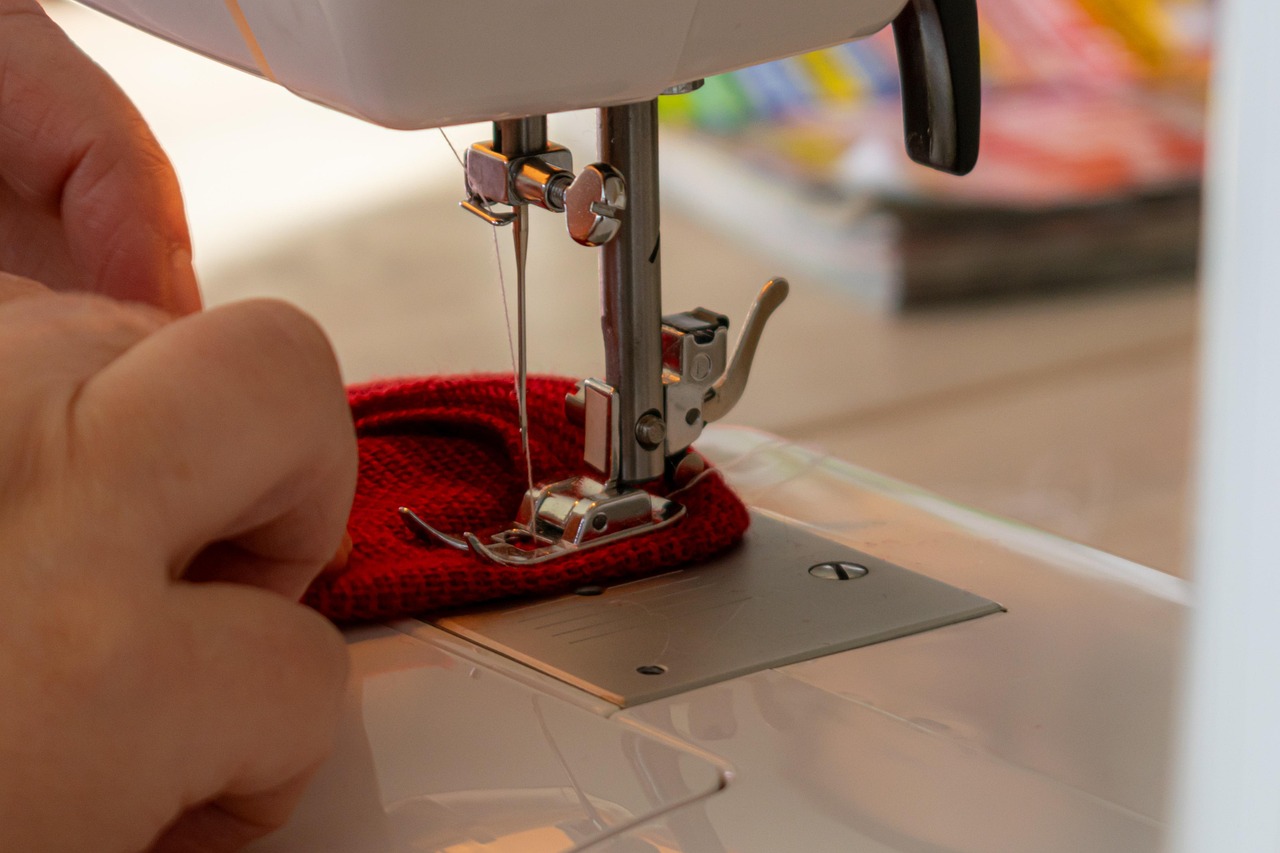

Longest sewing machine in the world stitched with gold and silk
A team of artisans recently unveiled what organizers described as the longest sewing machine in the world, demonstrating the device at a public exhibition and sewing with gold thread and silk thread. The demonstration took place recently during a cultural showcase, according to event organizers, who said the effort aimed to highlight traditional craftsmanship and attract verification from record authorities.
Organizers said the project combined mechanical ingenuity and handcraft to produce continuous stitching over an unprecedented span. Local officials and cultural groups attended the unveiling, and the ministry of culture issued a statement recognizing the effort as a major artisan endeavor, pending formal confirmation from record-keeping bodies.
Longest sewing machine in the world: The project and participants
The project was led by a coalition of master tailors, textile engineers and community organizers, who coordinated the build and the public demonstration. According to organizers, the team adapted standard industrial components and custom fixtures to operate continuously while handling delicate gold thread and silk thread without breaking fibers.
Event materials indicate that the effort emphasized safety and conservation of heritage techniques. Furthermore, the organizers invited independent observers and representatives from cultural institutions to witness the sewing sequence and record procedural details for later review.
How the team stitched with gold thread and silk thread
Craftspeople said they faced technical challenges when integrating precious gold thread with fragile silk thread on a long-running machine. Gold thread can be abrasive and heavy, while silk thread can fray under sustained tension, according to technical notes shared by the organizers.
To manage those risks, technicians adjusted tension settings, used specialized bobbins and installed low-friction guides. Additionally, they scheduled regular stops for inspection and lubrication to reduce wear on both thread types. The combination of traditional hand-finishing and mechanical control, organizers said, was central to maintaining stitch quality throughout the demonstration.
Materials, mechanics and monitoring
The team sourced multiple grades of silk and gold-wrapped thread to balance durability and appearance. Meanwhile, engineers retrofitted drive systems and implemented sensors to monitor thread tension, stitch consistency and motor load in real time. Independent technicians documented each phase to produce a verifiable record of the machine’s performance and the materials used.
Cultural significance and implications for the textile industry
Organizers and cultural officials framed the undertaking as more than a technical feat. They said the work aimed to spotlight artisanal skills, promote heritage textiles and stimulate interest in local craftsmanship, which could benefit small-scale producers and designers.
Observers noted potential downstream effects for the textile industry, including renewed attention to high-value materials such as gold thread and silk thread in couture and heritage restoration. Furthermore, academic and trade organizations have expressed interest in analyzing the documentation to consider how large-scale demonstrations can shape preservation strategies and commercial opportunities.
Verification, record status and what comes next
Organizers have submitted evidence and witness statements to independent record authorities and expect a formal decision in the coming weeks, according to a public update. The report indicates that verification will depend on continuous documentation, independent witness accounts and compliance with technical standards set by record-keeping bodies.
Meanwhile, sponsors are planning additional showcases and educational workshops to build on the momentum created by the demonstration. Cultural institutions said they will host panels to review technical findings and explore how to integrate the project into broader heritage programming.
What to watch next
Readers should watch for the official verification from record authorities and for follow-up technical reports that detail the machine’s design and materials. Officials suggested that detailed engineering documentation and third-party analyses will be published after verification is complete, providing a clearer picture of the methods used and the potential for replication.
Furthermore, museums and trade groups are expected to announce collaborative events that use the project as a case study in conservation and contemporary textile practice. In the short term, audiences can look for media releases from the organizers and statements from cultural ministries that confirm next steps and timelines.
Conclusion: Forward-looking perspective
The demonstration of what organizers call the longest sewing machine in the world has drawn attention to the intersection of mechanical innovation and traditional craft. Verification remains pending, and officials are prioritizing transparent documentation and independent review.
In the coming weeks, stakeholders will focus on the record review process and on disseminating technical findings. Observers should watch for the official ruling and subsequent publications that will determine whether the project sets a recognized benchmark and how it might influence preservation and industry practices.