






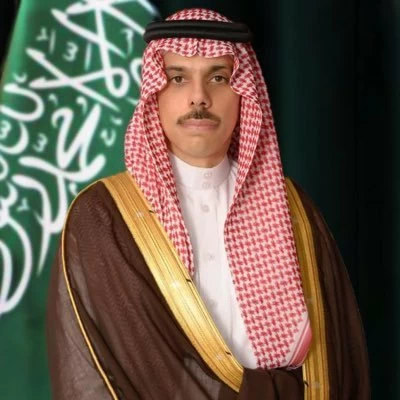

Saudi-Oman foreign ministers call
Saudi Foreign Minister Prince Faisal bin Farhan held a telephone conversation recently with Oman’s Foreign Minister Badr bin Hamad Al Busaidi in a diplomatic exchange that addressed regional developments and coordinated responses. The Saudi-Oman foreign ministers call, according to an official Saudi Foreign Ministry statement, focused on ongoing efforts to manage tensions and promote stability across the Arabian Peninsula and wider region.
The ministers spoke by phone from their respective capitals, and officials said the discussion covered diplomatic initiatives and mutual concerns. The conversation, described as part of regular high-level contacts, highlighted both countries’ interest in maintaining open channels for crisis management and political consultation.
Details of the ministers’ phone conversation
During the call, the officials reviewed recent developments in neighboring countries and shared assessments of potential flashpoints, the ministry stated. Furthermore, they discussed cooperative measures aimed at de-escalation, according to sources familiar with the exchange.
Officials did not provide an exhaustive list of topics discussed, but the statement indicated the dialogue included political, security, and humanitarian dimensions. Additionally, regional mediation efforts and the coordination of diplomatic responses were noted as areas of ongoing engagement between the two foreign ministries.
Regional developments and diplomatic coordination
Saudi and Omani diplomats have historically taken complementary approaches to regional crises, balancing collective Gulf responses with Oman’s reputation for quiet mediation. Therefore, the call underscores a broader effort to synchronize positions on matters such as maritime security, cross-border tensions, and humanitarian concerns without public grandstanding.
Regional developments remain fluid, and the ministers’ exchange reflects a preference for close consultation among Gulf Cooperation Council states. Meanwhile, analysts say practical coordination on logistics, information-sharing, and diplomatic outreach can reduce the risk of miscalculation, according to diplomatic observers.
Oman’s role and bilateral relations
Oman has often served as a channel for back-channel diplomacy in the Gulf, and Saudi Arabia has increasingly engaged with Muscat on shared security interests. Consequently, the phone call reaffirmed bilateral ties and the mutual interest in stability, officials added.
Trade and energy interdependence also inform diplomatic ties, so such ministerial conversations can have broader policy implications beyond immediate security concerns. Furthermore, official interactions contribute to crisis prevention by maintaining frequent contact at senior levels.
Implications for Gulf diplomacy and future steps
The Saudi-Oman foreign ministers call signals intent to keep diplomatic lines open as regional tensions evolve. In practice, frequent ministerial communication helps coordinate positions ahead of multilateral forums, and it can pave the way for joint statements or coordinated action if warranted.
Observers should watch for follow-up meetings at Gulf Cooperation Council gatherings or United Nations sessions where both countries routinely engage. Additionally, foreign ministry communiqués or joint statements would indicate a move from consultation to formal coordination on specific issues.
Looking ahead, officials said continued dialogue is likely, though the timing of any in-person meetings or ministerial visits was not specified. The next expected steps include sustained technical coordination between ministries and potential participation in regional diplomatic initiatives aimed at de-escalation and humanitarian relief.
What to watch next
Readers should monitor official ministry releases and statements at regional summits for developments stemming from this exchange. Furthermore, coverage of Gulf security meetings, mediation efforts, and any humanitarian coordination will provide insight into how the call translates into policy measures.
Finally, diplomatic sources suggest that such exchanges are part of routine, pragmatic engagement intended to manage crises and preserve stability. Therefore, the practical outcomes to watch for are coordinated diplomatic responses, joint engagement in mediation channels, and any administrative steps that facilitate humanitarian assistance where needed.