






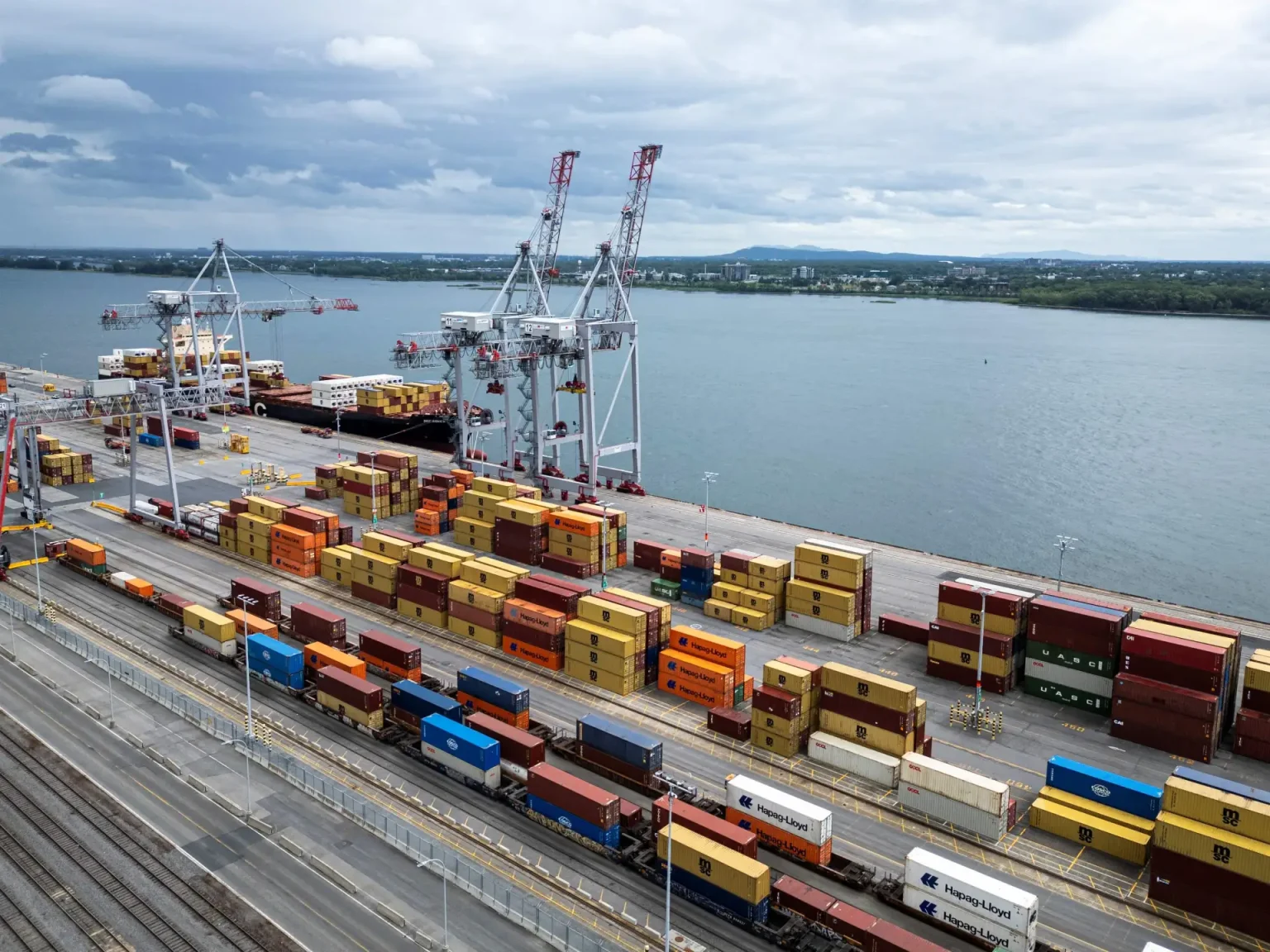

US sanctions on Iran reshape Gulf trade ties
New US sanctions on Iran have put cross-border commerce between Tehran and Gulf states under immediate strain, according to a regional trade report and local officials. The measures, announced as part of a tightened US enforcement effort, directly affect shipments, re‑exports and banking links that have long connected Iran with its Gulf neighbors.
Implemented in late August 2026, the sanctions accelerate a shift in trade patterns centered on the United Arab Emirates and Oman, the report indicates. Meanwhile, Gulf governments must weigh economic neighborliness against the risk of secondary sanctions and broader financial restrictions.
US sanctions on Iran: scope and immediate effects
The latest sanctions target Iranian entities and expand secondary penalties that can expose third‑party banks and firms to US enforcement, the Treasury statements and analysts say. As a result, the flow of petrochemicals, metals, foodstuffs and consumer goods that historically moved between Iran and Gulf markets faces new bottlenecks.
According to the regional report, trade volumes in 2024 highlighted the scale of these links: roughly $21 billion between the UAE and Iran, more than $1.3 billion with Oman, $374 million with Kuwait, $156 million with Qatar, $24 million with Bahrain and $23 million with Saudi Arabia. These figures underscore why the sanctions reverberate well beyond Tehran.
UAE trade: Dubai as the commercial artery
The UAE—particularly Dubai—has long served as the primary conduit for goods entering and leaving Iran through re‑exports and transshipment hubs. Officials said the recent decision by UAE authorities to suspend certain trade and financial dealings with Iran immediately disrupts those logistics chains.
Analysts note that while Gulf economies will absorb some disruption without immediate macroeconomic shock, Iranian exporters and importers face sharper harm. Dr. Jalal Qannas, an economics professor at Qatar University, told regional media that a full halt to this UAE corridor would inflict a significant shock on Iran’s trade infrastructure.
Therefore, importers that once relied on Dubai warehouses, freight consolidation and Emirati banking correspondents must now seek costlier or slower alternatives. Furthermore, businesses that previously masked indirect links to Western suppliers will find compliance and due diligence more burdensome.
Oman ports and alternative routes
With the UAE corridor under pressure, Omani ports such as Sohar and Salalah and overland routes through Iraq and Turkey are emerging as immediate alternatives. Omani authorities have historical trading ties with Iran and appear positioned to absorb rerouted cargoes, officials and shipping analysts say.
However, logistics alternatives face limitations. Port capacity, customs checks, insurance premiums and transit times will likely increase. In addition, the continued dominance of US‑controlled dollar clearing and correspondent banking networks means that physical routes alone cannot solve payment frictions.
Overland and maritime trade considerations
Maritime detours increase voyage distances and insurance costs, while overland corridors raise customs complexity and transit risk. Therefore, even when cargoes move, traders expect higher final prices in Iranian markets and compressed margins for Gulf suppliers.
Economic impact and financial hurdles
The sanctions’ most constraining element is financial: limits on dollar transactions, freezing of Iranian reserves in certain jurisdictions and the risk of secondary sanctions for banks that facilitate prohibited flows. These financial restrictions are the chief barrier to restoring normal Gulf trade ties.
Dr. Qannas notes that Iranian trade has long carried a geopolitical risk premium that typically raised costs by more than 20 percent. He and other economists now estimate that such premiums could exceed 30 percent if tighter enforcement persists, translating into higher consumer prices in Iran and wider headaches for Gulf traders.
Consequently, some businesses may shift to local‑currency settlements, barter, or use of intermediaries and third‑country firms to mask end users. Yet these workarounds tend to be fragmented, scale‑limited and vulnerable to enforcement actions, officials caution.
Can Iran circumvent sanctions and what role can neighbors play?
Tehran will likely pursue a mix of strategies to mitigate the impact: deepening ties with Oman and other neighbors, expanding non‑dollar trade, and relying on regional intermediaries. Qatar is reported to be engaged in mediation efforts related to frozen Iranian assets and logistical arrangements, though details remain limited.
Experts stress that while such measures can reduce immediate pain, they rarely substitute for full access to global banking and supply chains. Therefore, any meaningful recovery of cross‑border commerce depends on either a loosening of sanctions or durable exemptions for specific humanitarian and trade categories.
Outlook: what to watch next
In the coming weeks and months, market participants will monitor several indicators: enforcement guidance from the US Treasury, Emirati implementation steps, Omani port throughput data and any formal mediation outcomes led by Qatar. These developments will determine how durable the trade shifts will be.
For now, the main keyword—US sanctions on Iran—captures a reality reshaping regional commerce: Gulf trade routes remain vital but are being reconfigured under financial and regulatory pressure. Policymakers, traders and consumers across the region should watch for further regulatory clarifications and any signals of diplomatic de‑escalation.