







Oil Prices Surge Amid U.S.-Iran Tensions
In a stark reaction to escalating U.S.-Iran tensions, oil prices have jumped significantly, with Brent crude surpassing $108 a barrel and West Texas Intermediate (WTI) crude breaching $96. These fluctuations arise amidst President Donald Trump’s threats to resume military strikes against Iran, prompting concerns among major companies about the protracted nature of the ongoing crisis. Oil analysts, including Dr. Abdul Samir Bahbahani, point to geopolitical instabilities affecting the energy sector as pivotal in this price surge.
Geopolitical Factors Influencing Oil Prices
According to Dr. Bahbahani, the increase in oil prices reflects deep-rooted concerns over Iranian conditions for reopening the Strait of Hormuz. Additionally, the ongoing Russia-Ukraine conflict has significantly disrupted energy infrastructure, particularly in the region. The targeting of Saudi oil facilities has further heightened apprehensions about supply stability, driving oil costs higher. As of today, contracts for Brent crude have seen a sharp increase of over 30% relative to their annual average.
Shifts in Corporate Strategy Amid Uncertainty
The evolving landscape of oil prices has compelled oil companies to reconsider their operational strategies. Initially guided by short-term crisis management, these firms are now shifting their focus to medium-term projections. Future energy projects, particularly in gas and alternative crude oil, have faced delays. This alteration in strategy is largely a response to the destruction of oil and gas facilities, which significantly impairs their operational timelines.
Long-Term Implications for the Energy Market
Dr. Bahbahani forecasts that this heightened state of uncertainty will persist into the first quarter of the upcoming year. Companies are beginning to prepare for a lengthy recovery phase, potentially spanning three to four years. The prospect of the United States imposing a ban on diesel exports adds a deeper layer of complexity to the energy landscape, potentially exacerbating the current crisis.
Furthermore, Asian markets are emerging as formidable competitors, with offers of higher prices for crude oil, which may impact import dynamics for Europe and the northern United States. The landscape of international oil trade is shifting as Asian demand continues to rise, highlighting a growing rivalry for securing oil supply.
Current Export Trends from the Middle East
Recent data from Kpler indicates a rebound in crude oil exports from major Middle Eastern producers, with figures reaching 12.8 million barrels per day in September—the highest level since the onset of the U.S.-Israeli conflict with Iran in February. This resurgence has been primarily driven by Saudi Arabia and the UAE ramping up their export levels. The restoration of shipping routes through the Strait of Hormuz contributed significantly to this increase, anticipated to reach approximately 7.4 million barrels per day this month.
Challenges in the Region Despite Improvement
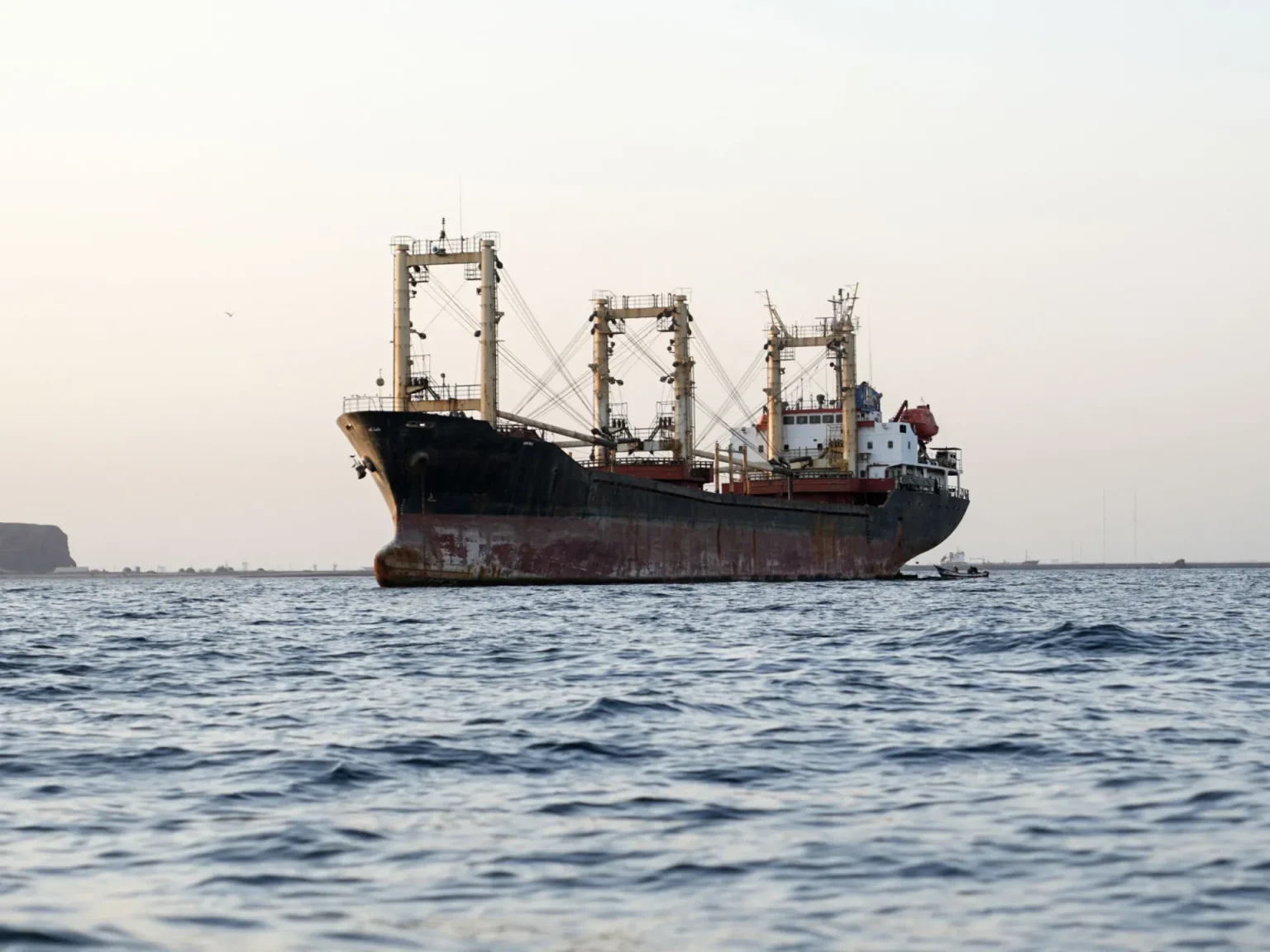
Despite these positive trends, Middle Eastern oil exports, encompassing countries such as Saudi Arabia, the UAE, Iraq, Oman, Qatar, Kuwait, and Iran, remain approximately six million barrels per day below the levels recorded in February, when exports peaked at 18.8 million barrels per day. The Strait of Hormuz, prior to the escalation of conflict, typically accommodated around 125 large commercial vessels daily, including oil and gas tankers, which represented nearly 20% of the global daily supply of crude oil and liquefied natural gas.
Looking Ahead: Monitoring the Energy Sector
As the situation develops, stakeholders in the energy market must remain vigilant. The trajectory of oil prices and the overall stability of the market will likely hinge on two critical factors: the resolution of U.S.-Iran tensions and the dynamics of global energy demand. Analysts suggest that upcoming months will reveal clearer trends, particularly as companies adjust their strategies in response to the ongoing volatility. Energy watchers should pay close attention to developments in diplomatic negotiations and market responses in the wake of any significant geopolitical changes.