









Exploring the Rich Biodiversity of Musandam Governorate
Musandam Governorate, known for its unique natural and environmental diversity, stands out as one of the richest maritime and coastal ecosystems in Oman. This region boasts scattered islands, extensive beaches, and intertwined bays, all teeming with marine life. The natural habitats found here serve as crucial sanctuaries for various species of seabirds, particularly migratory types like the tern, which rely on Musandam’s coastal waters for breeding and nourishment.
The Importance of Tern Populations in Musandam
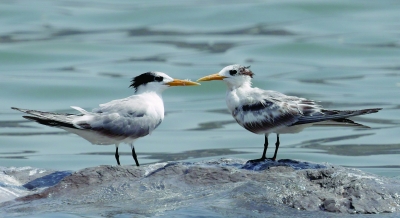
According to Ali Khalifa Mohammed Al Shuhai, an environmental monitor at the Environmental Authority in Musandam, terns are distinguished by their sleek bodies, long wings, and unique breeding plumage, which features a black crown. These captivating seabirds, ranging from 35 to 37 centimeters in length, use their vibrant yellow-orange beaks to hunt fish. The migratory patterns of these birds closely tie their survival to the health of the marine environment, particularly regarding food availability.
Seasonal Migration and Distribution Patterns
Terns exhibit seasonal migration patterns, which vary across their geographical subspecies. Scientific references indicate that terns can be found along the coasts from the Red Sea and Arabian Gulf to the Indian Ocean, extending to parts of Australia and the Western Pacific. Different subspecies have been classified, with one group residing in the Indian Ocean and another along the Mediterranean coasts, especially around Libya. The third group exists in regions surrounding Indonesia and Australia, demonstrating the breadth of their migratory behavior.
Significance of Umm Al-Tair Island
Among the significant natural sites for seabirds in Musandam is Umm Al-Tair Island, also called “Egg Island” due to its status as a nesting ground for migratory seabirds. Situated on the eastern side of Musandam in Khasab, this area is designated as a natural reserve primarily for terns. Environmental observations reveal that the island attracts various migratory seabird species during summer. From June to August, the island sees an influx of terns that utilize its safe spaces to lay eggs and nurture their chicks.
Ecological Importance of Marine Habitats
The geographic location and natural formation of Musandam, characterized by its rocky shores, islands, and nutrient-rich waters, create an ideal habitat for seabirds to feed, rest, and reproduce. This area is critical for marine biodiversity conservation in Oman, serving as a nexus where terrestrial and marine ecosystems converge.
Environmental Threats and Conservation Efforts
However, the presence of terns and other seabirds in Musandam is not merely a natural sight for bird watchers; it underscores significant environmental implications. The health of seabird populations indicates the availability of food sources and suitable habitats. Thus, safeguarding these areas from pollution, disturbance, and habitat destruction becomes paramount in preserving their ecological integrity. Musandam’s islands, especially those frequented by terns, form part of a comprehensive natural system where the marine environment interacts with coastal habitats, providing shelter and food for numerous species.
Future of Ecotourism in Musandam
Preserving these habitats also lays the groundwork for advancing ecotourism and bird-watching activities. The global interest in destinations that blend natural beauty with wildlife experiences positions Musandam as an appealing choice for researchers and wildlife enthusiasts alike. By maintaining the health of these ecosystems, Musandam can continue to attract visitors keen on exploring its vibrant wildlife.
Conclusion: Protecting a Natural Treasure
In summary, the presence of terns soaring over Musandam’s waters not only highlights the region’s remarkable biodiversity but also reinforces the need for ongoing protection efforts. As authorities continue to monitor these ecological dynamics, the focus should remain on ensuring these coastal and marine habitats are preserved for future generations. Attention to conservation practices will be essential as Musandam strives to maintain its natural allure while fostering sustainable tourism development.