



Qatar Foundation Hosts Second Annual “Bila Arabi” Forum
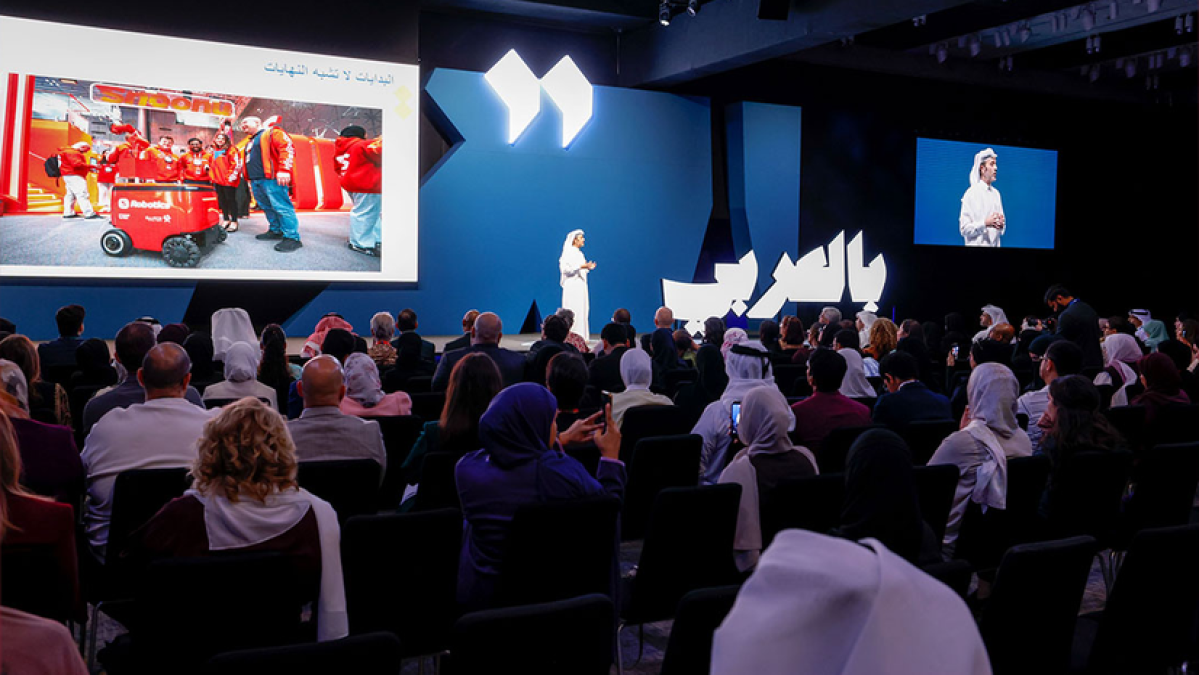
The Qatar Foundation concluded the second annual forum for its “Bila Arabi” initiative, held under the theme “With Our Ideas, We Build,” on September 19 and 20, 2026, at the “Maltaka” building in Doha. The event saw the participation of 1,600 participants who engaged in discussions focused on creating digital platforms that serve the community, overcoming challenges in entrepreneurship, and leveraging community knowledge to build peace.
The second day of the forum featured the presence of Lulwa Al-Khater, the Minister of Education and Higher Education, who toured the partner booths, showcasing the collaborative efforts within the initiative.
Engaging the Community Through Knowledge Exchange
The forum’s program included keynote speeches, exploratory sessions, workshops, and interactive spaces that allowed attendees to exchange experiences and discuss ideas while exploring their practical applications. Hesham Nourin, Executive Director of Strategic Initiatives and Programs at Qatar Foundation, highlighted the value of the gathering, expressing hope that participants would leave with increased understanding and practical benefits.
Nourin emphasized the foundation’s responsibility to facilitate ongoing exchanges, fostering connections between idea owners and experts to promote collaboration. He stated that supporting contributions to the Arabic language is vital as communities enhance their knowledge in today’s age.
Inspirational Insights from Notable Speakers
During the forum, various speakers presented their experiences and insights. Essam Hijazi, founder and CEO of the social media platform “UpScrolled,” shared his journey in building a platform that empowers users to select the content they follow. He reflected on the importance of creating a digital space that resonates with individuals, stating, “Courage is about building a space that resembles us.”
Additionally, peace mediation expert Zahra Langi discussed the importance of grounding peace efforts in understanding communities affected by conflicts. Drawing from her work in Yemen, she underscored the critical role of trust and local context in rebuilding relationships damaged by conflict.
Highlighting Entrepreneurial Challenges and Successes
Hamid Mubarak Al-Hajri, founder and CEO of “Sanuno,” shared his perspective on how the experience of losing his job became a stepping stone for launching his own venture. He described how his team navigated funding challenges by agreeing to lower their salaries in exchange for equity in the company, emphasizing the significance of trust and shared responsibility in achieving success.
At another session, Dr. Anwar DafAllah discussed the role of volunteers in translating Arabic content for broader audiences. His insights complemented those of Masab Masri, a media translator, who shared his experiences in balancing the elegance of original texts with clarity in target languages, ensuring effective communication across linguistic boundaries.
Future Directions and Upcoming Initiatives
The closing day program featured a session titled “Follow His Footsteps: An Interactive Simulation in Prophetic Leadership,” presented by the “Leadership” 2026 conference. This initiative aims to involve Muslim youth in exploring issues related to faith, identity, leadership, and community through dialogue and shared experiences.
The forum also included an educational presentation by the Queen Rania Foundation for Education and Development on developing Arabic language teaching methods. Noor Awamleh, Principal Projects Officer at the foundation, expressed pride in participating in the “Bila Arabi” forum as it highlights the Arabic language’s significance as a foundation of identity and culture.
Collaborative Efforts to Promote Arabic Language
The role of media in supporting the Arabic language was conveyed by Ali Issa, the official spokesperson for the Qatari Media Foundation. He discussed the foundation’s commitment to initiatives that enhance the presence of the Arabic language in the media landscape and broaden its application in various professional fields.
As part of a collaborative effort, the forum culminated in recognizing partners such as the Ministry of Sports and Youth, the Qatari Media Foundation, and Hamad Bin Khalifa University. The initiative aims to showcase local and regional partners’ ideas and experiences, supporting year-round dialogue and knowledge exchange in Arabic.
As the forum drew to a close, attendees looked forward to future events that would continue these essential discussions about fostering creativity, innovation, and collaboration within the Arabic-speaking community. The next steps will involve more localized events and workshops that further promote knowledge sharing and networking opportunities.