






Strengthening Qatar-China Relations Amid Regional Tensions
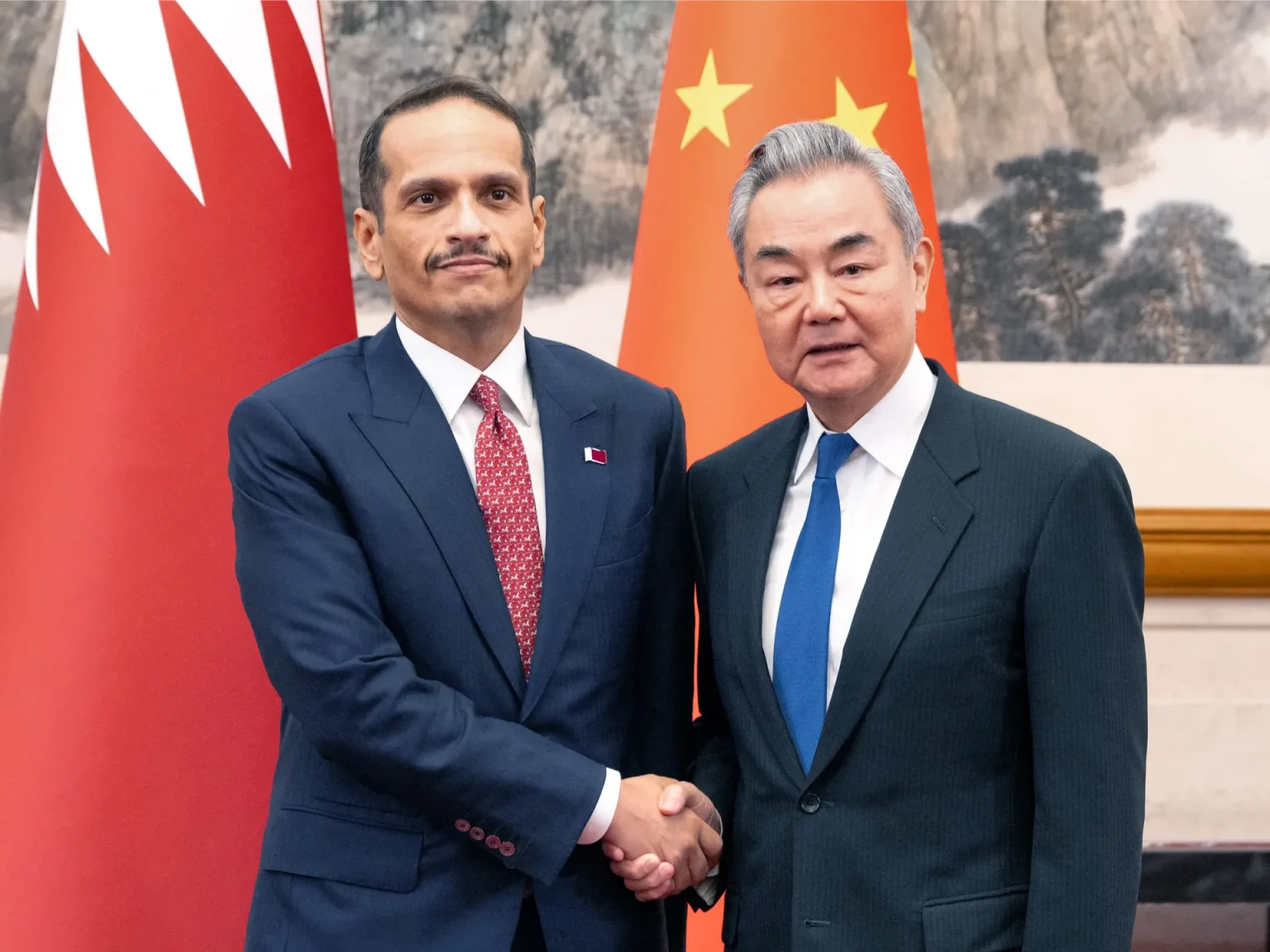
On August 9, 2026, Qatari Prime Minister and Minister of Foreign Affairs Mohammed bin Abdulrahman Al Thani met with Chinese Foreign Minister Wang Yi in Beijing, marking a key moment in the bilateral relationship between the two nations. The dialogue, occurring on the second day of Al Thani’s visit to China, underscored the importance of enhancing cooperation across various sectors in light of ongoing regional challenges, particularly the crisis in the Strait of Hormuz.
During the meeting, officials discussed the strategic partnership that has seen significant developments in recent years. Wang emphasized that China’s relationship with Qatar has evolved, noting that China is Qatar’s most reliable long-term partner in its development journey.
Impact of the Strait of Hormuz Crisis
Qatar plays a critical role in China’s energy supply, providing approximately 30% of the liquefied natural gas consumed by China. However, recent tensions arising from the U.S.-Israeli conflict with Iran have disrupted shipping routes in the Strait of Hormuz, which serves as a vital artery for global energy supplies, accounting for about 20% of the world’s oil and gas shipments. This disruption jeopardizes the economic stability of major Asian economies, including China, which is the world’s second-largest economy.
The officials’ discussions included measures to address the ramifications of the crisis, focusing on stabilizing the region and ensuring the uninterrupted flow of energy resources. Wang’s remarks highlighted the urgency in navigating these geopolitical shifts to secure the future of their economic ties.
Prominent Trade Relations Between Qatar and China
Data from the Chinese Foreign Ministry reveals that China is Qatar’s largest trading partner. In 2024, the trade volume between Doha and Beijing reached $24.22 billion, with Chinese exports to Qatar amounting to approximately $4 billion while imports from Qatar were around $20 billion. Key exports from China included mechanical equipment, electric appliances, and automobiles, while Qatar primarily exported natural gas and helium.
This substantial growth in trade illustrates the upward trajectory of economic relations; trade levels soared from $10.6 billion in 2014 to $24.22 billion just a decade later, marking an increase of over 128%.
Addressing Trade Surplus and Future Prospects
Government statistics from Qatar indicate a favorable trade balance of approximately 36 billion Qatari rials (around $10 billion) with China in 2025. However, this surplus has experienced a decline to roughly 4 billion Qatari rials (about $1 billion) in the initial months of 2026 due to war-related disruptions influencing supply chains.
Despite the challenges posed by regional conflicts, Qatar remains the second-largest supplier of liquefied natural gas to China. In 2024, China imported around 18.35 million tons of LNG from Qatar. Nonetheless, the energy supplies have been affected by the ongoing turmoil in the region.
The relationship between Qatar and China extends beyond energy, encompassing financial investments and technological collaborations as emerging growth engines. Infrastructure projects also represent a significant area of cooperation.
Call for Stabilization in the Region
As part of efforts to stabilize the status quo in the Strait of Hormuz, Qatar has urged for the immediate and unconditional reopening of the waterway, emphasizing its role as an international passage. Officials have firmly rejected its use as a tool for geopolitical leverage and are actively working with regional and international partners to foster diplomacy and de-escalate tensions.
Ibrahim bin Sultan Al Hashimi, Director of Media and Communication at Qatar’s Foreign Ministry, expressed concerns about the unacceptable state of a “neither war nor peace” scenario in the region. This situation strains the resources and economies of the affected populations while carrying repercussions that extend beyond regional boundaries.
Al Hashimi reaffirmed Qatar’s commitment to engaging with pertinent stakeholders, including the People’s Republic of China, to promote dialogue, seek solutions, and address the concerns of all parties involved.
Looking Ahead: Future Engagements and Developments
As Qatar and China continue to build on their strategic partnership, both nations are expected to focus on resuming normal maritime operations in the Strait of Hormuz and addressing the protracted conflict that has implications for energy supply and pricing. Stakeholders will be watching for further diplomatic efforts aimed at restoring stability in the region.
Given the intertwined nature of their economic interests and the challenges at hand, the forthcoming dialogues between Qatar and China will play a crucial role in shaping their future relationship and regional dynamics.