






Strait of Hormuz Talks Continue, Pakistan Says
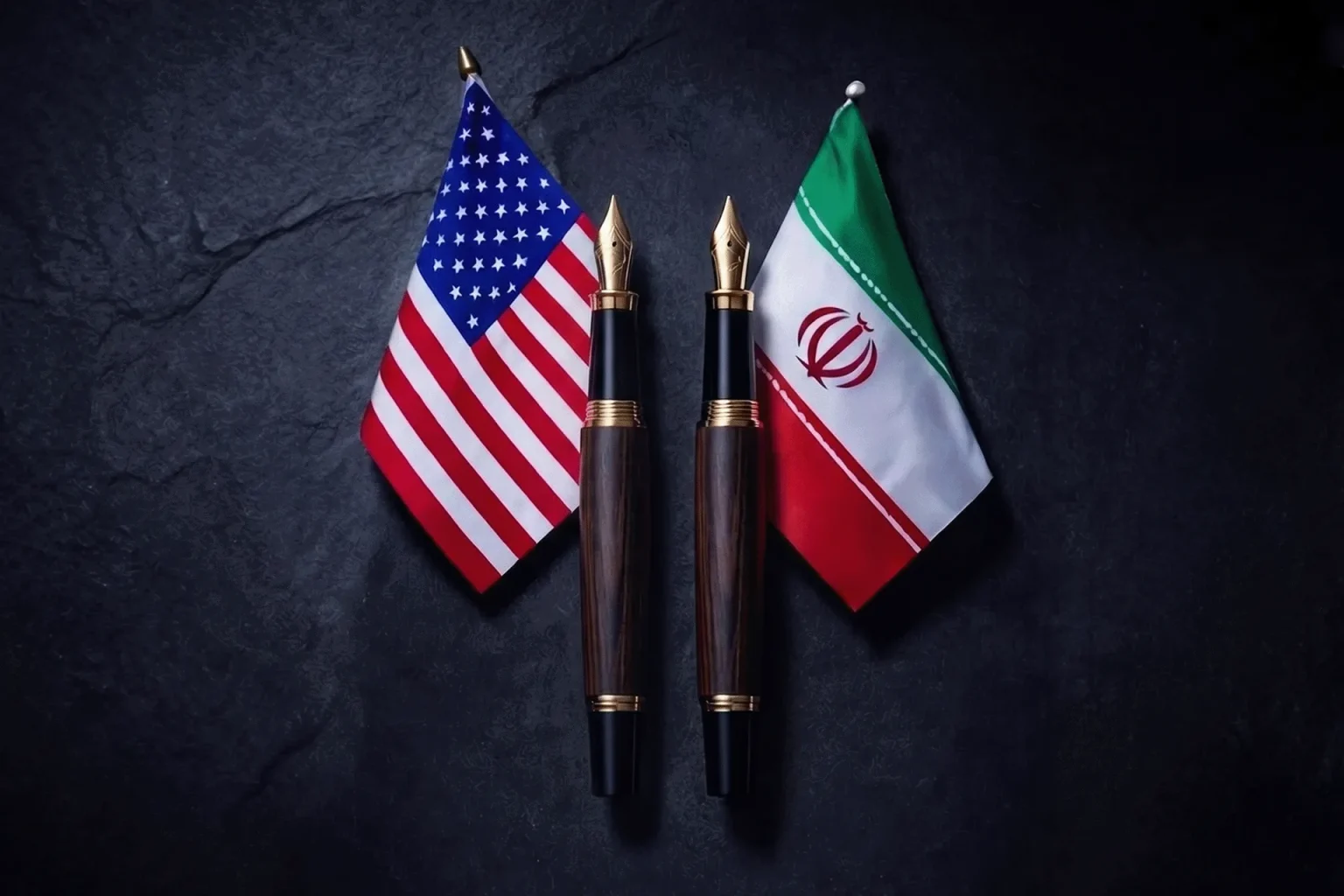
Pakistan confirmed on Thursday that discussions between the United States and Iran remain ongoing over tensions in the Strait of Hormuz, urging both capitals to exercise restraint and honour prior understandings. The Pakistani foreign ministry spokesman said Islamabad continues to press for dialogue and implementation of previous accords, while providing discreet mediation support to reduce risks to shipping and regional stability.
Officials in Washington and Tehran have not disclosed details of the channels or timing of the talks, but statements from Islamabad and Tehran indicate a narrow diplomatic window persists even as military actions and sanctions escalate. The situation around the Strait of Hormuz is affecting global energy markets and prompting fresh international concern about maritime security.
Washington Weighs Next Steps
U.S. officials in Washington have not decided whether recent strikes mark the start of a broader campaign or remain limited operations, according to reporting by international media citing unnamed sources. Senior advisers have reportedly offered competing recommendations to the White House, with some commanders urging wider targeting to degrade Iran’s missile launch capabilities and others warning that escalation could spread conflict across the region.
Meanwhile, the U.S. Treasury and State Department have announced new sanctions targeting an Iranian insurance firm and an Iranian authority accused of exerting control over the strait, along with measures against companies believed to facilitate illicit oil shipments. These steps aim to increase pressure without committing to a larger kinetic campaign, officials said, even as planners prepare contingency options.
Pakistan Mediation and Regional Diplomacy
Pakistan has reiterated calls for restraint and for both the United States and Iran to adhere to the spirit of a previously circulated memorandum of understanding that Islamabad helped broker. Islamabad’s public statements reflect a cautious mediation stance, with Pakistan emphasizing confidentiality around diplomatic exchanges to preserve neutrality and maximize the chances of a negotiated de-escalation.
Oman has also been engaged in parallel diplomacy with Tehran, and Iranian officials confirmed ongoing exchanges with Omani mediators focused on the Strait of Hormuz. Reported proposals discussed in recent rounds included shared oversight arrangements and divided management of certain navigation channels, though negotiators have not made any formal agreement public.
Proposals, Positions and Practical Obstacles
Recent diplomatic reporting indicates Oman proposed a formula for shared administration of parts of the strait, while Iran offered alternative arrangements that would secure Tehran’s interests in northern channels and give it supervisory roles to curb arms smuggling, according to regional analysts and diplomatic summaries. However, neither side has accepted the other’s blueprint, and substantive gaps remain on enforcement, third-party monitoring, and sovereignty implications.
Additionally, uncertainty persists over the mechanisms for implementing any deal. Questions include whether oversight would be multinational, how inspections would be carried out, and how to ensure freedom of navigation while satisfying Iran’s security concerns. These technical obstacles complicate efforts to translate diplomatic intent into an operational framework that protects maritime traffic and lowers the likelihood of renewed attacks.
Impact on Maritime Security and Energy Markets
Incidents in and around the Strait of Hormuz have already disrupted shipping routes and raised insurance and freight costs for tankers transiting the area. Energy markets reacted to the heightened risk with price volatility, reflecting traders’ sensitivity to potential supply interruptions from the Persian Gulf.
Maritime security experts warn that prolonged closure or restrictions in the strait—through deliberate blockade or sustained attacks—would have outsized consequences for global oil flows and for economies dependent on Gulf crude. Therefore, regional and extra-regional powers have an incentive to keep diplomatic channels open while calibrating military postures to deter further incidents.
Divisions Within the U.S. Policy Team
Insiders report a divergence in U.S. military and civilian advice on whether to broaden strikes beyond the immediate theatre to degrade Iranian strike capabilities more decisively. Some commanders argued broader operations could limit future threats, while other senior leaders cautioned that widening the conflict could overextend forces and draw in additional regional actors, complicating coalition support.
In parallel, Israel raised options with U.S. officials during recent high-level talks in Washington, exploring coordinated measures ranging from renewed military cooperation to tighter economic and maritime pressure. These consultations reflect shared concerns among partners about preventing Iran from leveraging the strait to coerce regional adversaries.
Outlook: What to Watch Next
Diplomatic activity is the key variable in the weeks ahead. Observers should watch for confirmation of direct U.S.-Iran channels, any breakthrough in Oman-mediated proposals, and further statements from Pakistan and Qatar as facilitators. The pace and content of sanctions announcements will also signal whether states prefer coercive economic pressure or are preparing for broader military options.
For maritime stakeholders, attention should focus on shipping advisories, insurance rate movements, and any multilateral naval deployments announced to safeguard commercial traffic. Meanwhile, energy market participants will monitor supply-risk indicators that could drive further price swings if tensions escalate.
Conclusion and Next Steps
At present, the Strait of Hormuz remains the central flashpoint driving both diplomatic engagement and military planning. Officials on all sides stress restraint but acknowledge divergent priorities that complicate a swift settlement. Over the coming days, progress in mediated talks or a shift in U.S. military posture will determine whether the situation stabilizes or enters a wider phase of confrontation.
Readers should watch for formal statements from the U.S. State Department, Iran’s foreign ministry, Oman’s mediation team, and Pakistan’s foreign office for clearer timelines and any agreed measures to restore secure navigation through the strait. Continued international attention and quiet diplomacy are likely to shape the immediate outlook.