






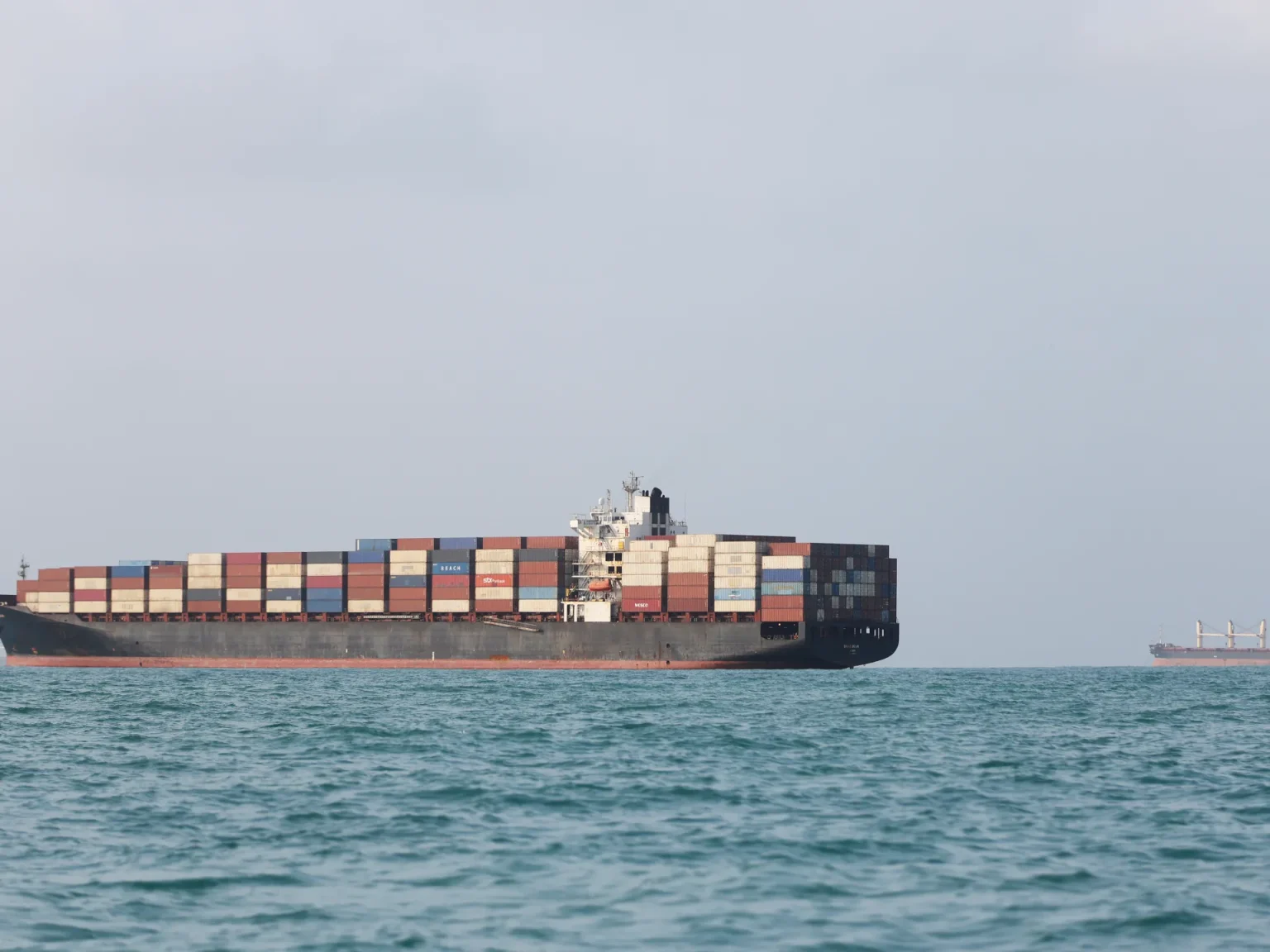

Iran’s Maritime Authority Lists 46 Ships Violating Strait of Hormuz Regulations
The official account of what is known in Iran as the “Strait of Hormuz Management Authority” recently published a list of 46 vessels deemed to have violated regulations for passing through the strait. This unrecognized Iranian authority announced plans to impose penalties on ships that fail to comply with regulations, including financial fines, detention, or confiscation of vessels.
Data analysis from Al Jazeera’s open-source intelligence unit indicates that approximately 37% of the banned ships are managed by Gulf companies. This development coincides with Iranian threats to cut Gulf oil exports in response to U.S. sanctions.
Current Locations of the Listed Ships
The data analysis revealed an interesting finding regarding the ship “VADIN,” which previously went by the name “LILA VADINAR.” It was renamed on July 27, leading the actual number of vessels on the list to be 45, not 46 as initially claimed by the Iranian authority. The Iranian list includes 35 oil and gas tankers, along with 8 cargo ships and 2 passenger vessels.
According to the latest signals from the ships via AIS (Automatic Identification System), about 10 vessels from the list are currently stranded in the Gulf waters, anchored near the coasts of Qatar, Saudi Arabia, and the UAE. Marine Traffic data shows that these ships remain within the Gulf, Gulf of Oman, Indian Ocean, and the Arabian Sea.
Notably, several vessels previously sailed through the Omani maritime route in July amid official Iranian warnings.
Over One-Third of the Banned Ships Operated by Gulf Companies
Further analysis of the ownership and management records of the listed ships shows that more than one-third belong to Gulf-based companies, some of which are tied to government entities. These include the Abu Dhabi National Oil Company and Kuwait Oil Tanker Company, as well as the Saudi National Shipping Company.
Iran’s list includes 13 vessels managed by Emirati firms, 2 operated by Qatar Gas Transport Company, and one owned by the Kuwait Oil Tanker Company, making the UAE the most targeted country according to the ownership analysis. In recent days, the UAE announced the suspension of all trade activities and financial transactions with Iran until further notice, following reports of two missiles launched from Iran.
Targeted Ships on the Iranian List
Data indicates that at least 9 of the listed ships had previously been targeted in the Strait of Hormuz. Notable incidents include the Qatari liquefied gas carrier “AL REKAYYAT,” which was hit by a projectile on July 7, causing a fire in the engine room. This occurred while Qatar was acting as a mediator between Washington and Tehran regarding ongoing conflict.
On the same day, the Saudi vessel “WEDYAN” was also attacked, with Saudi Arabia accusing Iran of targeting both vessels as they passed through the strait. The chemical tanker “Stolt Magnesium” was hit by an unknown object while sailing off the coast of Oman, resulting in injuries to crew members.
While Iran has not officially claimed responsibility for these attacks, they coincided with warnings from the Iranian Revolutionary Guard advising vessels against using the Omani route without prior Iranian permission to pass.
Iran’s Ominous Threats Against Oil Exports
This development occurs amid stern warnings from Iran’s Supreme National Security Council Secretary, Mohsen Rezaei, who stated that Tehran would not allow “a drop of oil” to pass through the Strait of Hormuz or the Gulf if neighboring countries cooperate with U.S. sanctions against Iran. Rezaei described U.S. sanctions as an issue of propaganda, asserting that Iran has already exported significant quantities of oil despite such measures.
He further warned neighboring states against involving themselves in economic wars with Iran, declaring that any nation that does will be considered an adversary and may face direct consequences.
U.S. Plans Major Financial Offensive Against Iran
In a parallel development, U.S. Treasury Secretary Scott Pison indicated the initiation of what he termed the largest financial offensive against Iran. In an op-ed in the Financial Times, Pison outlined plans to launch unprecedented measures aimed at severing Iran’s revenue streams significantly.
He emphasized that the objective is to eliminate any economic pathways for countries linked to Tehran, thereby threatening to expand financial isolation to include any nation acting as a financial lifeline for Iran.
The situation continues to evolve, and observers should monitor developments closely, particularly regarding Iranian compliance with maritime regulations and the potential for increased tension in the Gulf region. The unfolding narrative suggests that both Iranian authorities and external powers remain poised for confrontation as each side reinforces its position on maritime control and economic strategy.