






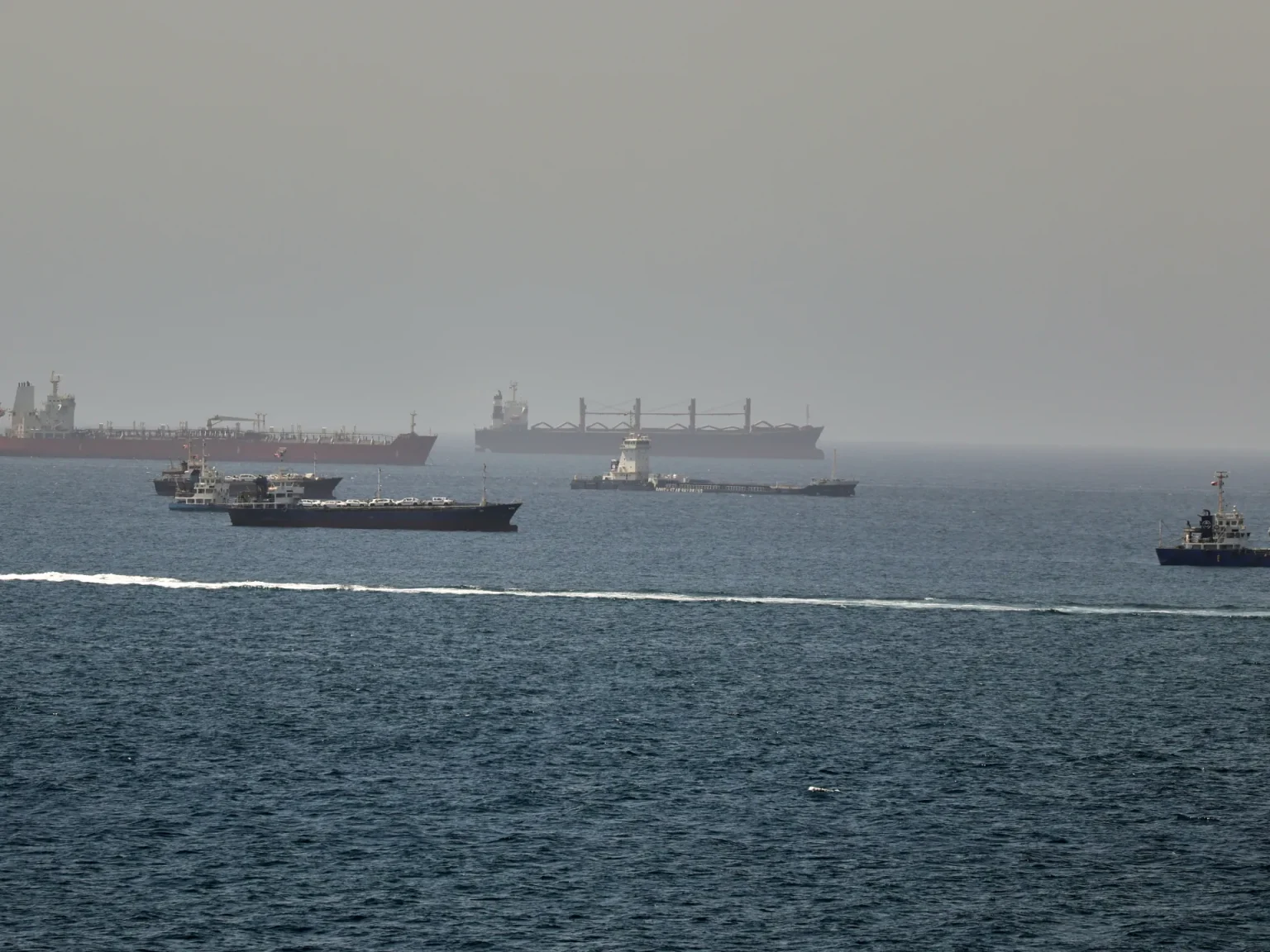

On July 30, 2026, continuing disruptions in the Strait of Hormuz have intensified pressure on global energy markets as shipping lanes remain partially closed and oil and gas supplies are rerouted. The Strait of Hormuz crisis has already cut daily flows and prompted emergency measures from regional producers, according to media briefings and U.S. Energy Information Administration data.
Shipments that once transited the narrow waterway are being diverted through limited pipelines and longer sea routes, raising freight and insurance costs. Meanwhile, analysts warn prolonged disruption could deepen inflationary pressures and strain industrial users worldwide.
Strait of Hormuz crisis and immediate disruptions
The Strait of Hormuz crisis began with intermittent closures and targeted incidents affecting tanker traffic, officials and regional commentators said. The channel historically carried about one-fifth of global liquefied natural gas trade and roughly 20 percent of oil consumption before hostilities escalated, the U.S. Energy Information Administration estimates.
According to Ammar Taybi on Al Jazeera’s interactive briefing, the strait previously saw nearly 20 million barrels per day of crude pass through, valued at roughly $600 billion last year. He noted that periods of full and partial shutdowns during recent months reduced regional output by upward of 14 million barrels per day at peak disruption, contributing to immediate revenue losses in the billions.
Impact on global energy markets and supply routes
The Strait of Hormuz crisis has forced exporters and traders to seek alternatives, but infrastructure limits mean most flows cannot be easily rerouted. Analysts estimate about 70 percent of the oil that transited the strait lacks a practical alternative route due to pipeline bottlenecks and limited storage capacity, a point underscored in regional analyses.
Therefore, countries with pipeline networks have increased throughput where possible. Saudi Arabia expanded use of its east-west pipeline to the Red Sea, with a potential capacity of about 7 million barrels per day, while the United Arab Emirates leaned more on the Fujairah terminal and Iraq boosted shipments via the Kirkuk-Ceyhan route through Turkey. Nonetheless, longer sailings and pipeline constraints add cost and delay.
Effects on European industry and energy security
European industry remains particularly vulnerable to the ripple effects of the Strait of Hormuz crisis because of higher fossil fuel import costs and interconnected gas markets. A report by Youssef Khattab for Al Jazeera indicates natural gas prices are about 50 percent above pre-conflict levels, while electricity prices have climbed around 38 percent, prolonging inflationary stress in manufacturing sectors.
These shifts have already affected employment and competitiveness. Khattab’s report cites more than one million industrial job losses in Europe between 2019 and 2023, with Germany alone shedding roughly 143,000 industrial positions in 2025 amid rising energy bills. Countries dependent on coal and gas—such as Poland, Bulgaria, Romania and Greece—face longer-term structural challenges, the report suggests.
How renewable expansion and storage affect resilience
In contrast, nations that diversified their generation mix have shown greater resilience. France, Sweden and Finland have mitigated exposure through a combination of nuclear, hydropower, wind and solar, keeping wholesale electricity prices lower in recent months, according to regional market data cited in the report.
Europe has also accelerated deployment of renewables and storage: solar capacity reportedly quadrupled and battery storage expanded tenfold between 2021 and 2025. However, the increasing share of intermittent generation places additional strain on grid balancing and requires more flexible backup capacity and transmission upgrades.
Transmission and storage limits
Grid operators caution that without faster investment in interconnectors and long-duration storage, higher renewable penetration alone will not fully shield industry from next shocks. System operators said flexibility mechanisms and demand-response programs are becoming more important to avoid outages during supply shortfalls.
Economic and market implications
Commodity markets have responded to the Strait of Hormuz crisis with price volatility and higher premiums for insurance and freight. Energy-importing nations face both direct costs—higher fuel bills—and indirect costs such as diminished industrial output and potential supply-chain delays.
Monetary and fiscal authorities are monitoring inflationary spillovers. Central banks may find it harder to balance price stability and growth if energy-driven inflation persists, analysts said. Governments in affected regions are weighing short-term support measures for industry alongside incentives to diversify energy sources and accelerate infrastructure upgrades.
Outlook and what to watch next
The near-term outlook depends on whether maritime disruptions persist or escalate. If the Strait of Hormuz crisis continues for weeks, inventories in some markets could tighten, prompting additional price spikes and a wider search for alternative supplies. Conversely, diplomatic de-escalation or restored security measures would ease immediate pressure but not eliminate structural vulnerabilities.
Policymakers and market participants will closely watch several indicators: tanker traffic and AIS shipping data, pipeline throughput reports, gas storage levels in Europe ahead of the next winter, and statements from major exporters and international energy agencies. Investment trajectories in grid interconnection and long-duration storage will also be key to medium-term resilience.
In conclusion, the Strait of Hormuz crisis has underscored how concentrated chokepoints can reverberate through global energy markets and industrial economies. Stakeholders should monitor developments over the coming weeks for signs of stabilization or escalation, and track policy moves aimed at diversifying routes and bolstering energy security.